
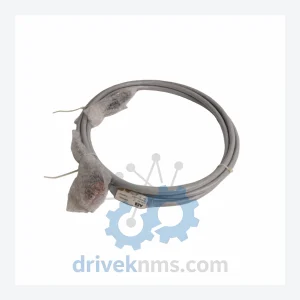
ABB NKLS01-15 Interface Cable – Drives Series
ABB NKLS01-15 is listed for Drives Series RFQ review. Confirm quantity, condition and destination before quotation.
RFQ-ready industrial model
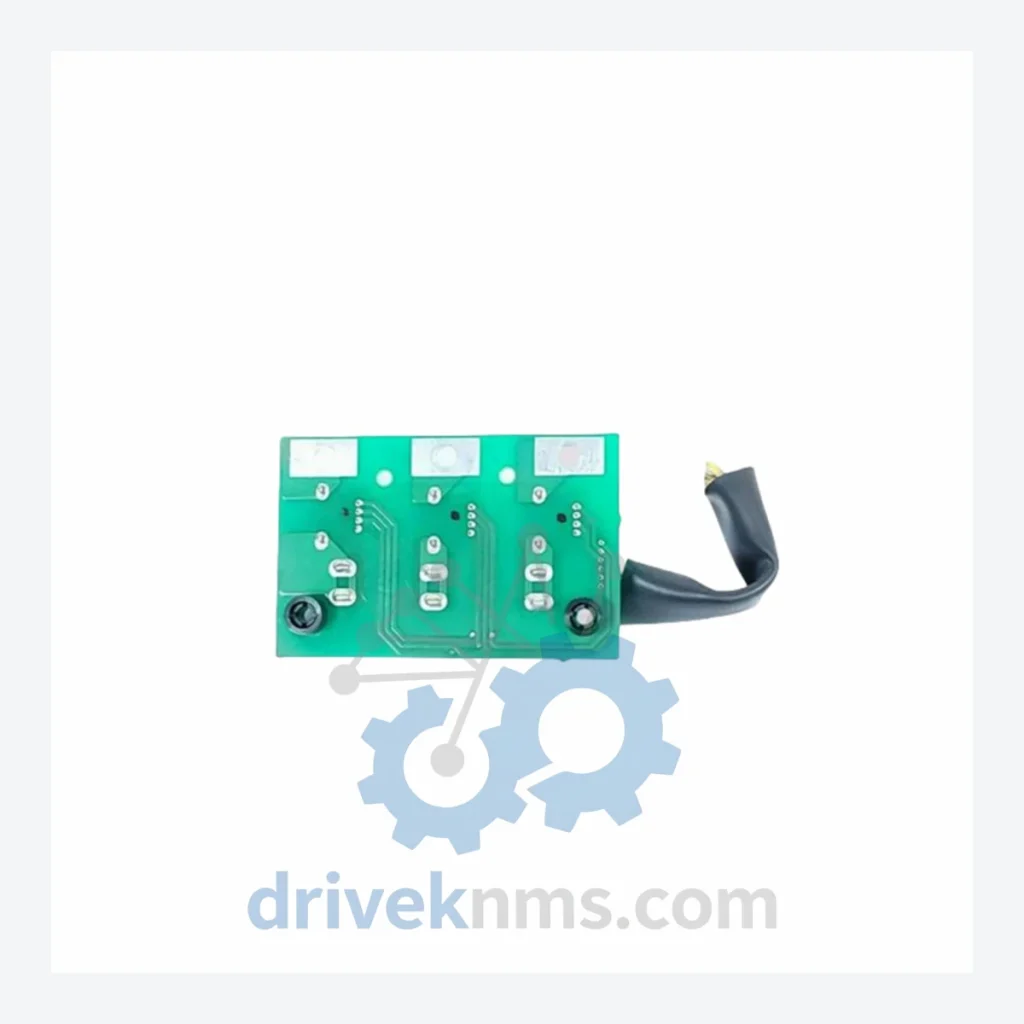
Model: DESIG 3PCB
Product Overview
Commercial availability is handled through direct RFQ, model verification and export-oriented follow-up rather than public cart checkout.
Datasheet Preview
Use attached product manuals when available. If the manual is not public yet, request the full file directly through RFQ.
Commercial Path
Product pages on DRIVEKNMS are designed to verify model, brand and series first, then move the buyer into one clean quotation path.
Technical Dossier
When a circuit board fails inside an aging Yaskawa drive system, the consequences extend far beyond the cost of the component itself. A single unplanned line stoppage can trigger cascading delays across production schedules, and if the failed module is no longer manufactured, the pressure to retire the entire control architecture becomes immediate. Full system replacement — including new drives, rewiring, PLC reprogramming, and operator retraining — routinely runs into the hundreds of thousands of dollars, and in large-scale automated facilities, the figure climbs higher. The Yaskawa DESIG 3PCB circuit board is one such component: a board tied to legacy drive platforms that have long since exited the active production catalog. DriveKNMS holds RFQ-reviewed sourcing status of this part. For maintenance engineers and plant managers who need to keep existing assets running without committing to a capital-intensive upgrade cycle, this is a direct path to restoring operation.
RFQ support for obsolete parts: Send the model number, required quantity and destination so DriveKNMS can confirm sourcing options before quotation.
Note: Electrical parameters specific to this board variant are not published here to prevent misapplication. Contact our technical team to confirm compatibility with your exact drive model and firmware revision before purchase.
Yaskawa drive systems installed in the 1990s and early 2000s remain operational in a significant number of manufacturing facilities across automotive, food processing, chemical, and material handling sectors. These systems were engineered for decades of service, and in many cases the mechanical and structural components remain fully functional. The control electronics, however, are a different matter. Circuit boards of this era are subject to electrolytic capacitor degradation, trace corrosion from environmental exposure, and component-level failures that cannot be resolved through software updates or parameter adjustments.
The DESIG 3PCB board sits within the drive's control or gate driver architecture — the layer responsible for translating command signals into precise motor output. When this board fails, the drive does not fault in a recoverable way; it stops. Sourcing a direct replacement from Yaskawa's current catalog is not possible for this part number. The alternatives facing plant management are stark: locate a genuine replacement board, retrofit with a newer drive generation (requiring full electrical and programming rework), or decommission the line.
For facilities operating on maintenance budgets rather than capital expenditure cycles, the first option is the only one that preserves operational continuity without triggering a project. DriveKNMS specializes in locating and supplying exactly these components — parts that have exited the distribution network but remain essential to keeping installed assets productive.
Extending Asset Life by 5–10 Years: A Practical Maintenance Strategy
Plant managers facing pressure to retire aging automation systems often underestimate the cost-effectiveness of a structured spare parts program. The following approach has been used successfully to defer system replacement by five to ten years in facilities with legacy Yaskawa drive infrastructure:
1. Identify single-point-of-failure boards. Audit your installed drive population and flag models where the control board is the most likely failure mode and no current-generation substitute exists. The DESIG 3PCB is a representative example. These boards should be treated as critical spares, not reactive purchases.
4. Document firmware and parameter sets. Before any board swap, ensure drive parameters are backed up. For legacy Yaskawa platforms, parameter loss during a board replacement can add hours to restoration time if records are not maintained.
5. Source from verified suppliers only. The obsolete parts market contains counterfeit and misrepresented components. Boards sourced from unverified channels introduce failure risk that defeats the purpose of the spare parts program. DriveKNMS applies a documented inspection process to every unit before dispatch review.
Every DESIG 3PCB unit supplied by DriveKNMS passes through a five-stage inspection protocol before it is offered for sale. This process was developed specifically for obsolete industrial electronics, where standard incoming inspection criteria are insufficient.
Stage 1 – Visual and Physical Inspection: Full board examination for mechanical damage, burn marks, cracked components, and PCB delamination.
Stage 2 – Electrolytic Capacitor Assessment: All electrolytic capacitors are checked for bulging, leakage, and ESR deviation. Capacitors showing degradation are flagged; boards with failed capacitors are either recapped by qualified technicians or removed from inventory.
Stage 3 – Firmware and Configuration Verification: Where applicable, onboard firmware version is confirmed and documented. Boards with corrupted or mismatched firmware are not shipped.
Stage 4 – Pin and Connector Inspection: All connector pins, edge connectors, and solder joints are examined under magnification for corrosion, oxidation, and cold solder. Affected contacts are cleaned and treated where remediation is possible.
Stage 5 – Functional Cross-Reference: Board part number, revision marking, and physical configuration are cross-referenced against known-good reference data to confirm the unit matches the advertised specification before dispatch.
Q: How are RFQ terms confirmed?
A: Quantity, required condition, documentation needs, destination and sourcing route are confirmed during RFQ review before quotation.
How do I know the board is genuine Yaskawa and not a counterfeit?
Every board is inspected for manufacturer markings, PCB revision codes, and component date codes consistent with genuine Yaskawa production. We do not source from unverified brokers. Documentation of inspection findings is available on request.
Continue The Model Path
Move from this exact model into the matching system hub, brand archive, model-family archive or lifecycle sourcing route before sending a final RFQ list.
Related Paths
ABB NKLS01-15 is listed for Drives Series RFQ review. Confirm quantity, condition and destination before quotation.
Yaskawa YPHT11014-1A is listed for Servo Drives RFQ review. Confirm quantity, condition and destination before quotation.
Yaskawa YPCT11065-1-3 is listed for Servo Drives RFQ review. Confirm quantity, condition and destination before quotation.