
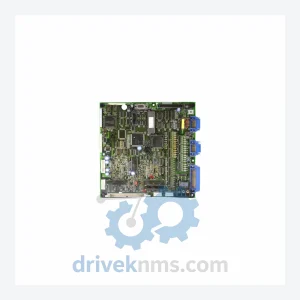
Yaskawa YPHT11014-1A Circuit Board – Obsolete Drive Control Spare Part
Yaskawa YPHT11014-1A is listed for Servo Drives RFQ review. Confirm quantity, condition and destination before quotation.
RFQ-ready industrial model
Model: DKR-E 2601 GAT 543012R0101
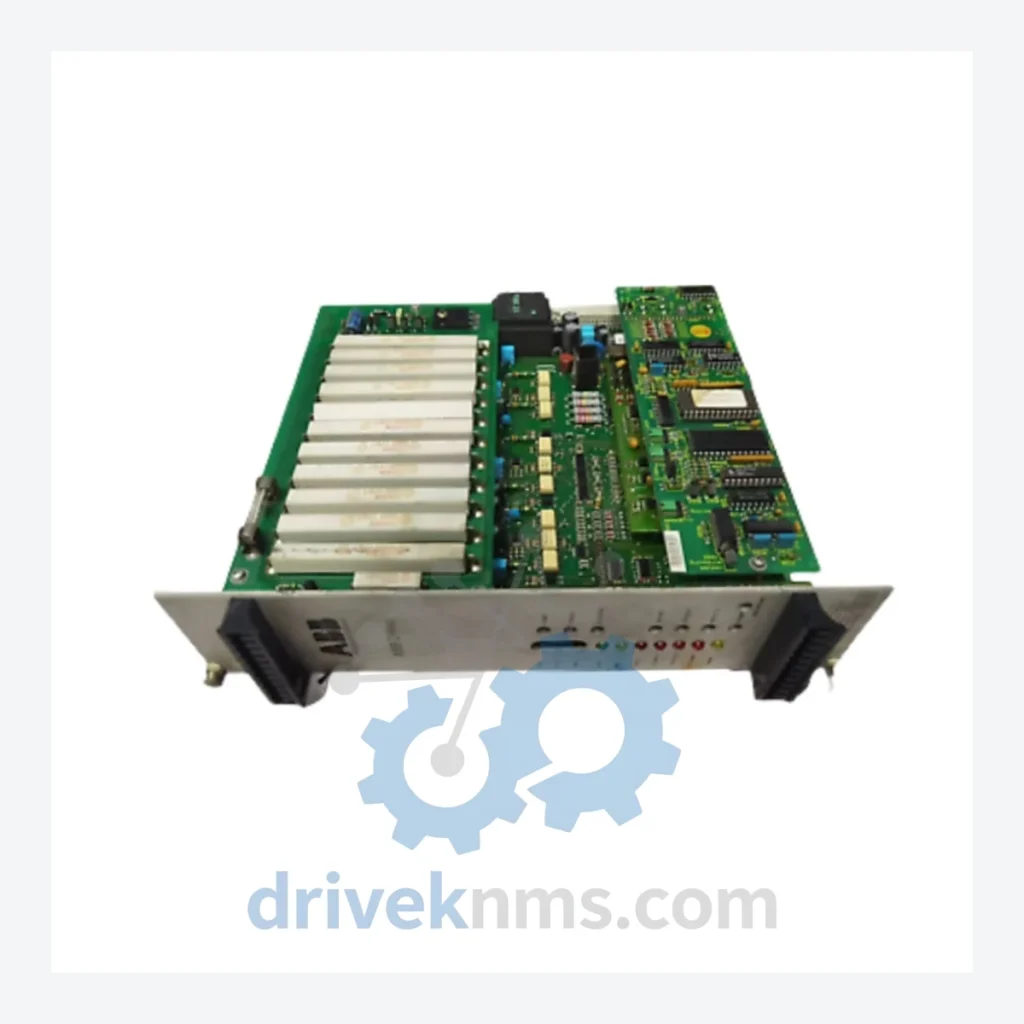
Product Overview
Commercial availability is handled through direct RFQ, model verification and export-oriented follow-up rather than public cart checkout.
Datasheet Preview
Use attached product manuals when available. If the manual is not public yet, request the full file directly through RFQ.
Commercial Path
Product pages on DRIVEKNMS are designed to verify model, brand and series first, then move the buyer into one clean quotation path.
Technical Dossier
RFQ support for obsolete parts: Send the model number, required quantity and destination so DriveKNMS can confirm sourcing options before quotation.
| Part Number | DKR-E 2601 GAT 543012R0101 |
| Manufacturer | Yaskawa Electric Corporation |
| Series | Sigma Series (Legacy) |
| Function | Servo Control Board |
| Country of Origin | Japan |
| Discontinuation Status | Discontinued / Obsolete – No longer in Yaskawa active production |
| Typical Host Systems | Yaskawa Sigma Series servo drives; compatible with legacy CNC and motion control platforms using Yaskawa SERVOPACK architecture |
The Yaskawa Sigma Series represented a generation of servo technology that became deeply embedded in automotive stamping lines, semiconductor handling equipment, packaging machinery, and precision CNC systems throughout the 1990s and 2000s. The DKR-E 2601 GAT 543012R0101 control board sits at the core of the drive's feedback processing and command execution architecture. There is no modern drop-in equivalent from Yaskawa's current Sigma-7 lineup that interfaces with the same mechanical and electrical footprint without engineering intervention.
Facilities still operating this hardware face a structural problem: the OEM no longer supports the platform, yet the capital cost of replacing functional machinery is difficult to justify when the equipment itself continues to perform within specification. The board is the weak point — not the motor, not the mechanical system. Sourcing a verified replacement board from DriveKNMS's obsolete parts inventory is the lowest-cost path to restoring full operation without touching the broader system architecture.
Industry maintenance data consistently shows that facilities with pre-positioned spare boards for discontinued servo platforms reduce mean time to repair (MTTR) from weeks to hours. For high-throughput production environments, that difference is measured in production output, not just labor cost.
For plant managers facing pressure to retire aging servo systems, the financial case for continued maintenance is often stronger than it appears. The following framework applies directly to legacy Yaskawa Sigma Series installations:
1. Identify the true failure modes. On boards of this generation, the primary failure mechanisms are electrolytic capacitor degradation, firmware corruption from power transients, and contact oxidation on edge connectors. None of these failures indicate that the mechanical system or motor has reached end of life. Replacing the control board addresses the actual failure without disturbing a functioning drivetrain.
3. Document firmware versions before failure occurs. Legacy Yaskawa boards carry firmware that is no longer distributed by the OEM. A board that fails without a documented firmware version creates a secondary problem: even if a replacement board is sourced, parameter restoration becomes uncertain. Proactive documentation eliminates this risk.
DriveKNMS applies a structured 5-step qualification process to all obsolete servo control boards before they are offered for sale:
Step 1 – Electrolytic Capacitor Assessment: Capacitors on boards of this age are the primary failure risk. Each unit is inspected for visible bulging, electrolyte leakage, and ESR deviation. Units with degraded capacitors are either reconditioned with matched replacements or removed from saleable inventory.
Step 2 – Firmware Version Verification: The firmware revision is read and documented prior to any power-on testing. This record is provided to the buyer to confirm compatibility with their existing drive configuration.
Step 3 – Pin and Connector Inspection: Edge connectors and board-mounted pins are examined under magnification for oxidation, mechanical deformation, and solder joint integrity. Contact surfaces are cleaned where necessary.
Step 4 – Functional Power-On Test: Where test fixtures are available for this board type, units undergo a controlled power-on sequence to verify basic operational response. Results are documented.
Step 5 – Packaging and ESD Protection: All boards are packaged in anti-static bags with desiccant and rigid outer packaging to prevent transit damage and moisture ingress.
The DKR-E 2601 GAT 543012R0101 is a direct board-level replacement for the same part number within the Yaskawa Sigma Series drive chassis. Installation does not require motor re-tuning, PLC reprogramming, or modification of existing wiring harnesses in standard replacement scenarios. This is a critical operational advantage: maintenance personnel familiar with the drive can complete the swap without specialist servo commissioning engineers on site, avoiding both the scheduling delay and the day-rate cost that external commissioning typically involves.
For facilities where engineering documentation for the original installation no longer exists, the board's plug-compatible design means that physical installation can proceed from the failed board's position without reference to original schematics.
How do I confirm the unit is genuine and not a counterfeit?
All units sourced by DriveKNMS are traceable to documented supply channels. Board markings, date codes, and component profiles are cross-referenced against known-good reference units. Buyers may request pre-shipment photographs of the specific unit including board markings and serial information.
Continue The Model Path
Move from this exact model into the matching system hub, brand archive, model-family archive or lifecycle sourcing route before sending a final RFQ list.
Related Paths
Yaskawa YPHT11014-1A is listed for Servo Drives RFQ review. Confirm quantity, condition and destination before quotation.
Yaskawa YPCT11065-1-3 is listed for Servo Drives RFQ review. Confirm quantity, condition and destination before quotation.
Yaskawa YPHT31033-1-1 73600-A0101 is listed for Servo Drives RFQ review. Confirm quantity, condition and destination before quotation.