
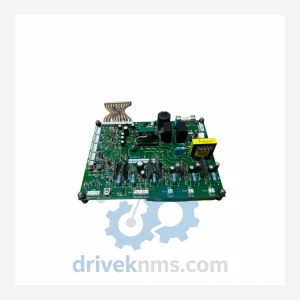
Yaskawa YPCT11065-1-3 Circuit Board – Obsolete Varispeed Series Spare Part
Yaskawa YPCT11065-1-3 is listed for Servo Drives RFQ review. Confirm quantity, condition and destination before quotation.
RFQ-ready industrial model
Model: DX100 SRDA-EAXA01A
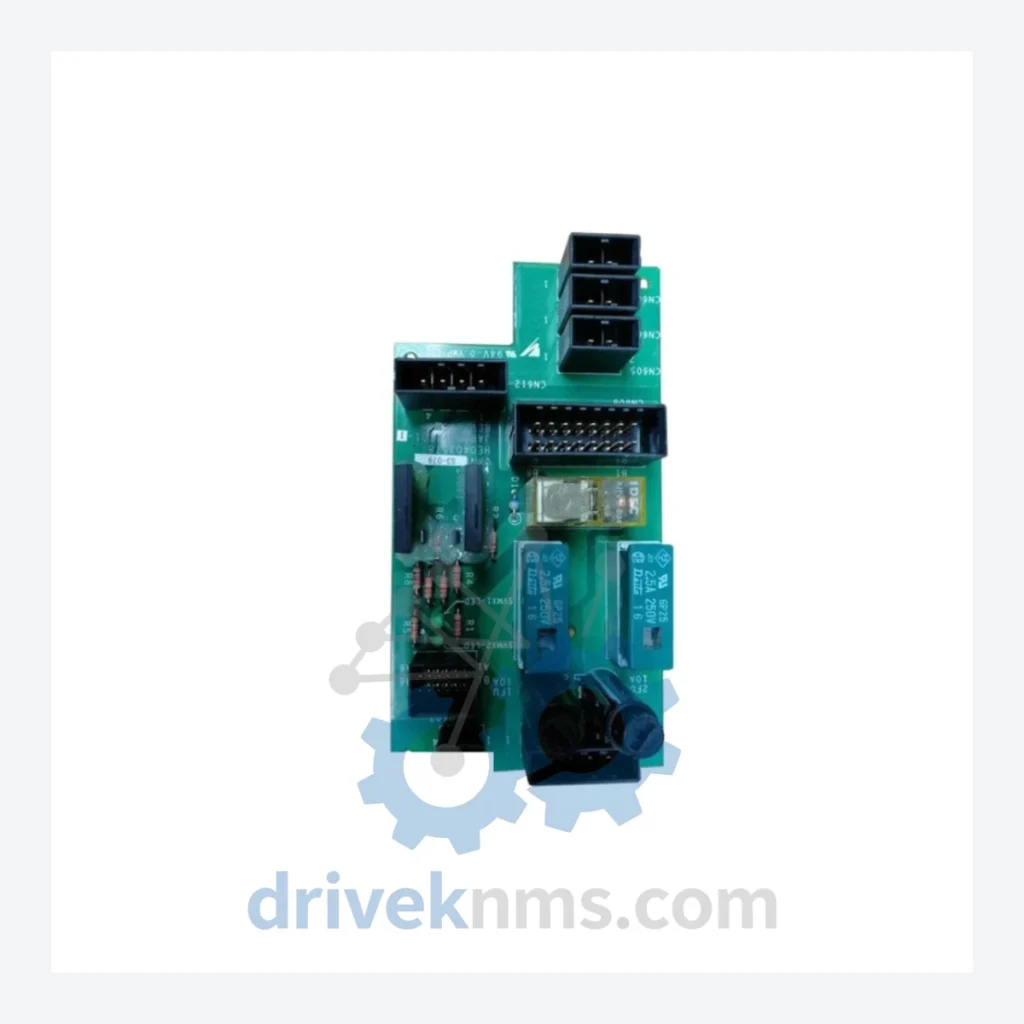
Product Overview
Commercial availability is handled through direct RFQ, model verification and export-oriented follow-up rather than public cart checkout.
Datasheet Preview
Use attached product manuals when available. If the manual is not public yet, request the full file directly through RFQ.
Commercial Path
Product pages on DRIVEKNMS are designed to verify model, brand and series first, then move the buyer into one clean quotation path.
Technical Dossier
RFQ support for obsolete parts: Send the model number, required quantity and destination so DriveKNMS can confirm sourcing options before quotation.
| Part Number | SRDA-EAXA01A |
|---|---|
| Controller Compatibility | Yaskawa DX100 |
| Function | Robot Axes Servo Amplifier Board |
| Manufacturer | Yaskawa Electric Corporation |
| Country of Origin | Japan |
| Product Status | Discontinued / Obsolete – No longer manufactured |
| Typical Application | Multi-axis servo drive control within DX100 robot controller cabinet |
| Compatible Robot Series | Motoman robots paired with DX100 controller (e.g. MA, VA, HP, ES series) |
Note: Electrical parameters such as voltage ratings and current specifications are not published here to prevent misapplication. Please contact our technical team to confirm compatibility with your specific robot model and axis configuration before ordering.
The Yaskawa DX100 controller entered end-of-life status, and sourcing its internal boards through official channels is no longer possible. The SRDA-EAXA01A is the axes servo amplifier board at the core of the DX100's motion control architecture. Without it, the controller cannot drive robot joints. There is no firmware patch, no software workaround, and no partial substitution — the physical board must be present and functional.
For plant managers operating fleets of DX100-based robot cells, the calculus is straightforward: the cost of a single unplanned production stoppage — lost throughput, emergency labor, expedited logistics — routinely exceeds the cost of maintaining a strategic spare parts inventory by a factor of ten or more. Automotive and heavy manufacturing facilities that have already absorbed the engineering cost of programming and validating their DX100 robot cells have a strong financial incentive to protect that investment rather than trigger a forced migration to newer platforms ahead of schedule.
Extending the operational life of a DX100 robot cell by five to ten years through targeted spare parts procurement is a defensible capital allocation strategy. The key components to prioritize are servo amplifier boards (including the SRDA-EAXA01A), the JANCD-series CPU and I/O boards, and the teach pendant cable assembly. A facility that holds one spare of each critical board can absorb most failure scenarios without production impact. DriveKNMS specializes in locating and verifying exactly these components from decommissioned systems and controlled surplus channels.
Discontinued servo amplifier boards present specific aging failure modes that differ from new-production components. Our 5-step QA process addresses the failure patterns most commonly observed in DX100-era hardware:
Q: How do I know the unit is genuine and not counterfeit?
A: All units are sourced from decommissioned OEM systems or verified surplus channels. We do not source from unverified brokers. Traceability documentation is available on request.
Q: Should I buy more than one unit?
A: For facilities operating more than two DX100 robot cells, holding a minimum of two SRDA-EAXA01A boards is a standard risk mitigation practice. The cost of a second spare is negligible relative to the cost of a single unplanned stoppage while waiting for sourcing.
Q: Can DriveKNMS source other DX100 internal boards?
A: Yes. Contact us with your full part number list. We maintain sourcing networks for JANCD-series boards, teach pendant units, and other DX100 cabinet components.
Continue The Model Path
Move from this exact model into the matching system hub, brand archive, model-family archive or lifecycle sourcing route before sending a final RFQ list.
Related Paths
Yaskawa YPCT11065-1-3 is listed for Servo Drives RFQ review. Confirm quantity, condition and destination before quotation.
Yaskawa YPHT11014-1A is listed for Servo Drives RFQ review. Confirm quantity, condition and destination before quotation.
Yaskawa YPHT31033-1-1 73600-A0101 is listed for Servo Drives RFQ review. Confirm quantity, condition and destination before quotation.