
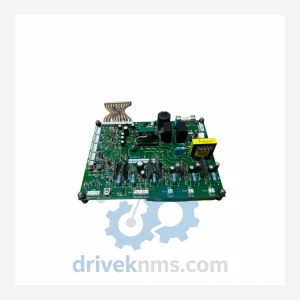
Yaskawa YPCT11065-1-3 Circuit Board – Obsolete Varispeed Series Spare Part
Yaskawa YPCT11065-1-3 is listed for Servo Drives RFQ review. Confirm quantity, condition and destination before quotation.
RFQ-ready industrial model
Model: FS100 CSTR-SDBR90AAA CSTR-SDB1R6AAA
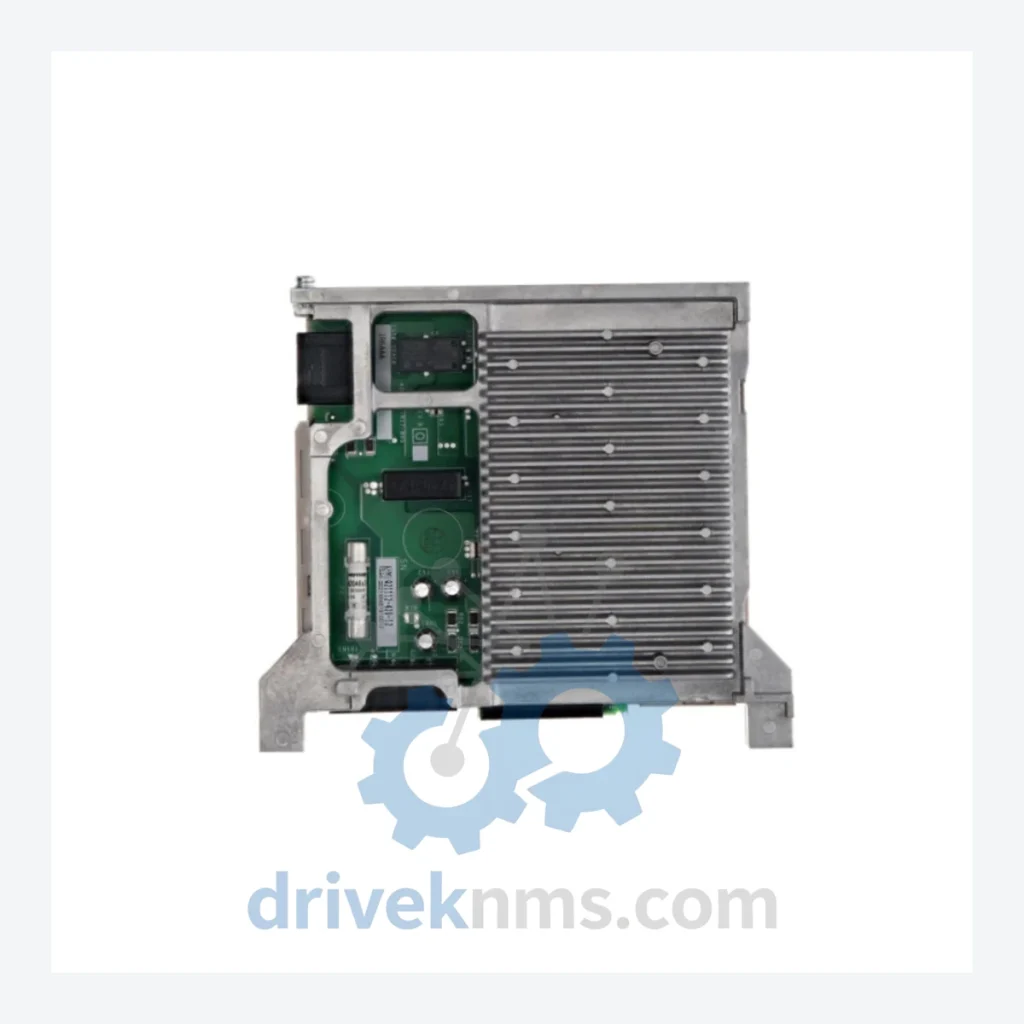
Product Overview
Commercial availability is handled through direct RFQ, model verification and export-oriented follow-up rather than public cart checkout.
Datasheet Preview
Use attached product manuals when available. If the manual is not public yet, request the full file directly through RFQ.
Commercial Path
Product pages on DRIVEKNMS are designed to verify model, brand and series first, then move the buyer into one clean quotation path.
Technical Dossier
DriveKNMS reviews sourcing options for this model through RFQ handling before quotation.
RFQ support for obsolete parts: Send the model number, required quantity and destination so DriveKNMS can confirm sourcing options before quotation.
| Parameter | Detail |
|---|---|
| Manufacturer | Yaskawa Electric Corporation |
| Controller Platform | FS100 Robot Controller |
| Part Numbers | CSTR-SDBR90AAA / CSTR-SDB1R6AAA |
| Component Type | Servo Amplifier / Servopack Board |
| Country of Origin | Japan |
| Platform Status | Discontinued – superseded by YRC1000 series |
| Compatible Robot Series | Yaskawa Motoman robots paired with FS100 controller (e.g., MA, MH, HP, VA series) |
| Typical Application | Arc welding, material handling, assembly, spot welding automation cells |
Note: Electrical parameters specific to individual axis configurations are not published here to prevent misapplication. Contact our technical team to confirm compatibility with your robot model and axis count before ordering.
The CSTR-SDBR90AAA and CSTR-SDB1R6AAA servo amplifier boards are internal to the FS100 controller cabinet. They govern axis drive signals between the controller CPU and the robot's servo motors. A failed board produces axis alarms, erratic motion, or complete loss of robot operation. There is no software workaround. The board must be replaced.
Obsolete servo amplifier boards sourced from secondary markets carry real risk if they are not properly evaluated before installation. DriveKNMS applies a five-step inspection protocol to every FS100 servo amplifier board before it is offered for sale:
2. Firmware Version Verification — FS100 servo amplifier boards carry embedded firmware. Version mismatches between the amplifier board and the controller CPU can produce compatibility faults. We verify firmware revision against known FS100 platform compatibility matrices before dispatch.
3. Connector and Pin Corrosion Inspection — Board connectors and edge pins are inspected under magnification for oxidation, corrosion, and mechanical damage. Affected contacts are cleaned or the board is rejected from serviceable inventory.
4. Functional Bench Test — Where test equipment permits, boards are powered and checked for basic operational response prior to packaging.
5. Packaging for Long-Term Storage — Boards are packaged in anti-static bags with desiccant and labeled with inspection date and condition grade. This supports traceability for facilities that hold boards as long-term spares.
The CSTR-SDBR90AAA and CSTR-SDB1R6AAA are direct replacement boards for the FS100 controller. Installation does not require controller reprogramming, job file modification, or changes to the robot's parameter set. The replacement procedure follows standard Yaskawa FS100 maintenance documentation.
This means: no engineering contractor fees for software reconfiguration, no production time lost to recommissioning, and no risk of parameter corruption during a rushed repair. The board is removed, the replacement is seated, and the system returns to its prior operational state. That is the practical value of a correct, model-specific spare part versus an improvised workaround or a platform migration forced by parts unavailability.
For maintenance engineers working under time pressure during a breakdown event, the availability of a verified spare board on-site is the difference between a two-hour repair and a two-week procurement crisis.
Continue The Model Path
Move from this exact model into the matching system hub, brand archive, model-family archive or lifecycle sourcing route before sending a final RFQ list.
Related Paths
Yaskawa YPCT11065-1-3 is listed for Servo Drives RFQ review. Confirm quantity, condition and destination before quotation.
Yaskawa YPHT11014-1A is listed for Servo Drives RFQ review. Confirm quantity, condition and destination before quotation.
Yaskawa YPHT31033-1-1 73600-A0101 is listed for Servo Drives RFQ review. Confirm quantity, condition and destination before quotation.