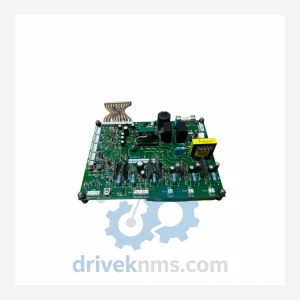
Yaskawa YPCT11065-1-3 Circuit Board – Obsolete Varispeed Series Spare Part
Yaskawa YPCT11065-1-3 Circuit Board – Obsolete Varispeed Series Spare Part When a circuit board like the YPCT11065-1-3 fails inside a…
Model: HW9280707-F HW9280707-F
Product Overview
Commercial availability is handled through direct RFQ, model verification and export-oriented follow-up rather than public cart checkout.
Datasheet Preview
Use attached product manuals when available. If the manual is not public yet, request the full file directly through RFQ.
Commercial Path
Product pages on DRIVEKNMS are designed to verify model, brand and series first, then move the buyer into one clean quotation path.
Technical Dossier
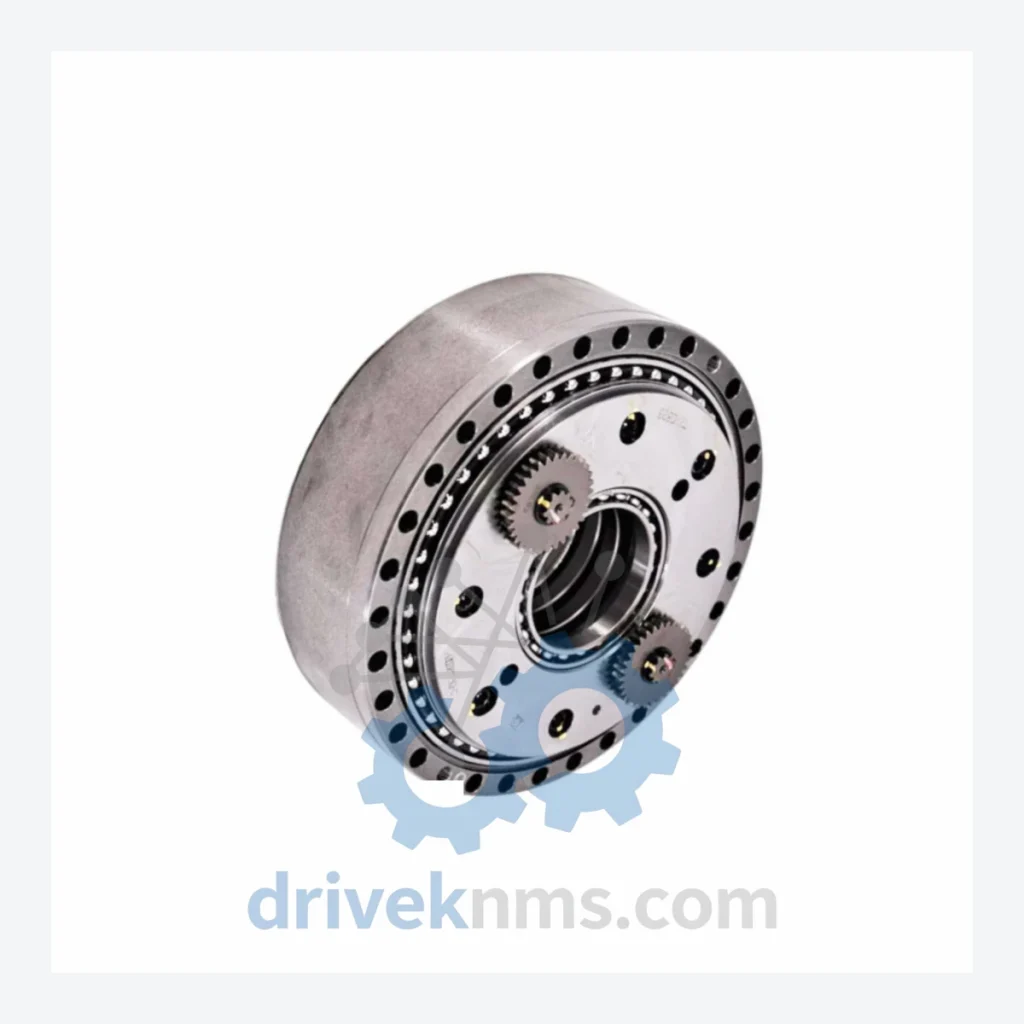
The Yaskawa VIGO DRIVE series represents a mature, field-proven platform deployed across heavy industrial sectors including petrochemical refineries, nuclear power auxiliary systems, steel rolling mills, and offshore processing facilities. The series encompasses servo reducers, drive coupling assemblies, and precision motion transmission components engineered to interface directly with Yaskawa servo amplifiers and motion controllers. Global installed base spans facilities in Japan, China, South Korea, Germany, and the United States, with documented service life exceeding 15–20 years in continuous-duty environments. The HW9280707-F is a precision reducer unit within this platform, designed for high-torque, low-backlash servo axis applications.
The VIGO DRIVE platform originated as a mechanical complement to Yaskawa's MOTOMAN and Sigma servo families. Early-generation units (pre-2000) used conventional planetary gear stages with grease-packed sealed housings, rated for moderate cycle frequencies. Mid-generation revisions introduced hollow-shaft configurations and improved backlash tolerances (<1 arcmin) to support higher-precision CNC and robotic axis applications. Current and late-production units such as the HW9280707-F incorporate hardened ring gears, optimized tooth profiles for reduced vibration, and standardized flange interfaces compatible with Yaskawa's SGM, SGMAH, SGMPH, and SGMGH motor families. Compatibility across generations requires verification of shaft diameter, flange bolt pattern (PCD), gear ratio, and rated torque — direct substitution between early and late variants is not always possible without adapter flanges. As the VIGO DRIVE series has entered the mature/end-of-production phase for many sub-models, long-term maintenance support and verified surplus stock have become the primary procurement pathway for end users.
The following SKUs represent confirmed models within the Yaskawa VIGO DRIVE and associated servo reducer/drive component range. Each unit is classified by functional role:
Precision Servo Reducers (Hollow & Solid Shaft)
Drive Coupling & Transmission Components
Bearing & Seal Replacement Kits
Mounting Hardware & Accessory Components
DriveKNMS maintains a verified surplus and refurbished inventory program specifically targeting Yaskawa VIGO DRIVE components that have reached end-of-production or limited-availability status. For models such as the HW9280707-F and related sub-assemblies, DriveKNMS provides: (1) authenticated surplus units sourced from decommissioned OEM production lines and controlled industrial estates; (2) functional testing against original Yaskawa torque, backlash, and dimensional specifications prior to dispatch; (3) documented traceability records including lot number, inspection date, and test results; (4) cross-reference support to identify compatible replacement models where direct equivalents are unavailable. Customers operating legacy Yaskawa MOTOMAN or Sigma-series installations with VIGO DRIVE reducers are advised to establish buffer stock for critical axes, as lead times for new-production equivalents from Yaskawa distributors can exceed 16–26 weeks for low-volume SKUs.
VIGO DRIVE reducers present specific inspection requirements due to their precision gear stages and integrated bearing assemblies. DriveKNMS applies the following test protocol to all VIGO DRIVE units processed through its facility: Dimensional verification — shaft diameters, flange bolt circle, and housing register are measured against Yaskawa engineering drawings using calibrated CMM equipment. Backlash measurement — output shaft angular play is measured under no-load conditions using a precision rotary encoder; units exceeding 3 arcmin are rejected or flagged for rebuild. Torque load test — units are run at rated input speed under incremental torque loading to verify gear mesh integrity and bearing condition. Thermal inspection — housing temperature rise is monitored during load test to detect bearing preload anomalies or lubrication deficiency. Visual and endoscopic inspection — gear tooth surfaces, bearing races, and seal interfaces are inspected for pitting, spalling, or fretting corrosion. All units are re-lubricated with Yaskawa-specified grease grade prior to packaging.