Products / Yaskawa / WRCA01 Robot Controller Board
Yaskawa WRCA01 Robot Controller Board

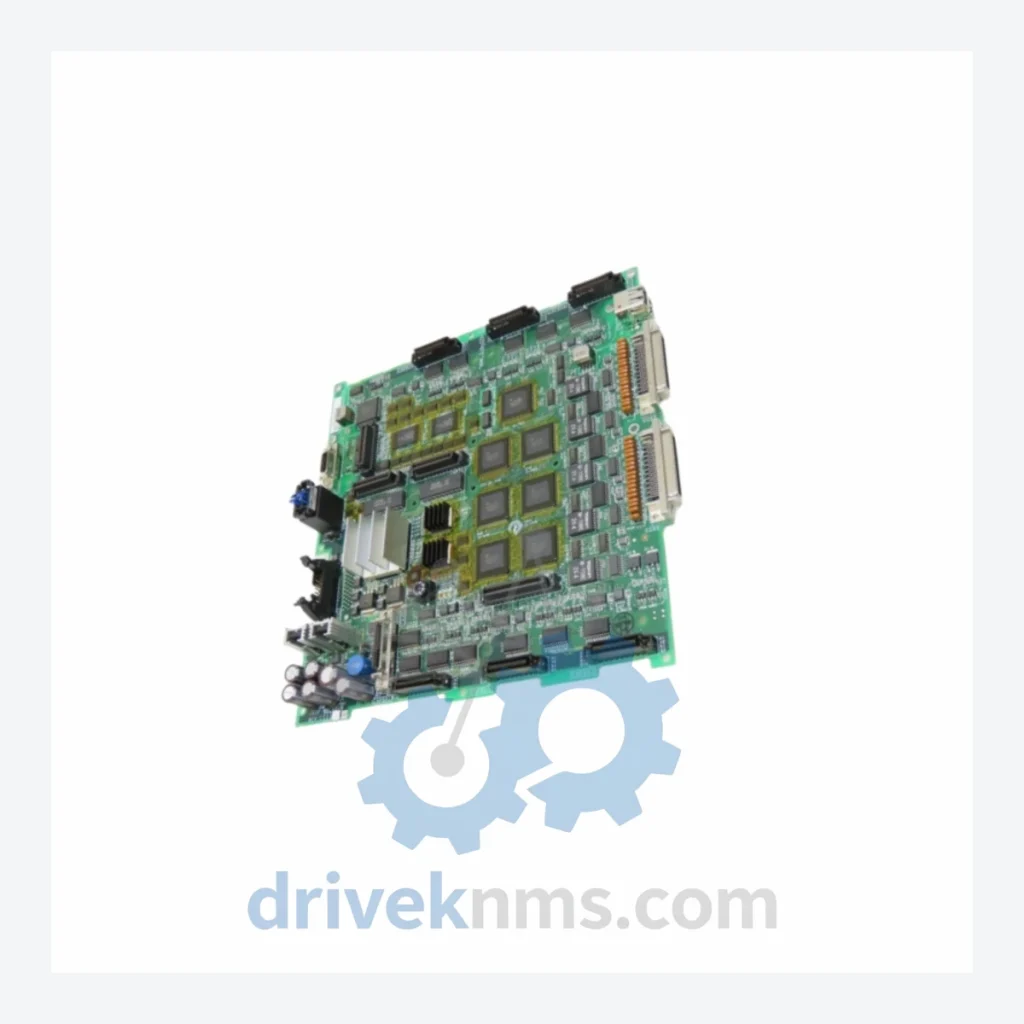
Yaskawa JASP-WRCA01 Robot Controller Board – Obsolete Motoman Spare Part

Model: JASP-WRCA01 JASP-WRCA01B

Brand Yaskawa
Series WRCA01 Robot Controller Board
Model JASP-WRCA01 JASP-WRCA01B
RFQ-ready model route Obsolete and surplus sourcing Export follow-up by model list

Product Overview

Commercial availability is handled through direct RFQ, model verification and export-oriented follow-up rather than public cart checkout.

Datasheet Preview

Datasheet Preview

Use attached product manuals when available. If the manual is not public yet, request the full file directly through RFQ.

Request Full Manual

Commercial Path

Use This Page To Confirm The Model, Then Move To RFQ

Product pages on DRIVEKNMS are designed to verify model, brand and series first, then move the buyer into one clean quotation path.

Technical Dossier

Product Details And Specifications

Yaskawa JASP-WRCA01 Robot Controller Board – Obsolete Motoman Spare Part

When a Yaskawa Motoman robot servo controller board fails, the production line does not simply pause — it stops. For facilities still operating Motoman UP-series or XRC/NX100 controller-based robot cells, the JASP-WRCA01 and its revision JASP-WRCA01B are the nerve center of servo axis coordination. These boards are no longer manufactured. Yaskawa has not offered new production units for years. The path most plant managers are told to take — full robot cell replacement or controller upgrade — carries a capital expenditure that routinely exceeds USD $150,000 per cell, plus engineering downtime, re-teaching of robot programs, and months of integration work. DriveKNMS holds verified physical stock of the JASP-WRCA01 / JASP-WRCA01B. This is not a broker listing. This is a sourced, inspected, and available unit.

Technical Specifications

Parameter Detail
Part Number JASP-WRCA01 / JASP-WRCA01B
Manufacturer Yaskawa Electric Corporation
Country of Origin Japan
Function Servo Unit Main Control Board (Robot Axis Coordination)
Compatible Controllers Yaskawa Motoman XRC, NX100 series robot controllers
Compatible Robot Series Motoman UP-series industrial robots
Production Status Discontinued / Obsolete – No longer in Yaskawa active production
Revision JASP-WRCA01B (later hardware revision of JASP-WRCA01)

Note: Electrical parameters such as voltage ratings and bus specifications are not published here to prevent misapplication. Contact our technical team for confirmation against your specific controller serial number before ordering.

Solving the Discontinued Hardware Crisis

The Yaskawa XRC and NX100 controller platforms were workhorses of automotive body welding, material handling, and palletizing lines throughout the 2000s and early 2010s. Thousands of these systems remain in active production globally. Yaskawa's official end-of-life policy for these platforms means that when a JASP-WRCA01 board fails, the OEM channel offers no replacement path.

The JASP-WRCA01 manages servo drive communication and axis control logic within the controller cabinet. A failure at this board level typically manifests as multi-axis alarm faults, loss of servo ready signals, or complete controller boot failure. Because the board sits at the intersection of the motion control architecture, there is no workaround — the robot is down until the board is replaced with an identical unit.

Plant engineers who have attempted to source this board through standard distributor channels already know the result: no stock, no lead time, no alternative. The only viable path is the secondary market, and within the secondary market, the difference between a properly tested board and an untested pull is the difference between a two-hour recovery and a two-week failure investigation.

Facilities that have extended the service life of their Motoman robot cells by 5 to 10 years beyond OEM support typically share a common strategy: they maintain a minimum of one spare JASP-WRCA01 board on the shelf before the first failure occurs, not after. The cost of a spare board is a fraction of one day of unplanned downtime on a production line. For a facility running two or three shifts, that calculation is straightforward.

Condition & Reliability Assurance

DriveKNMS applies a structured 5-step inspection protocol to all obsolete servo controller boards before they are offered for sale. This process is designed specifically for the failure modes common to boards of this age and design generation:

  • Step 1 – Visual & Physical Inspection: Full board examination for mechanical damage, burn marks, cracked solder joints, and connector pin condition. Corroded or bent pins are documented and addressed before the unit proceeds.
  • Step 2 – Electrolytic Capacitor Assessment: Boards of this era use aluminum electrolytic capacitors with a finite service life. Each capacitor is checked for bulging, leakage, and ESR deviation. Aged capacitors are flagged and replaced where necessary.
  • Step 3 – Firmware Version Verification: The onboard firmware version is read and documented. Compatibility with the target controller revision is confirmed prior to shipment where controller information is provided by the customer.
  • Step 4 – Connector and Interface Check: All edge connectors, ribbon cable interfaces, and backplane connectors are cleaned and inspected for oxidation and contact resistance.
  • Step 5 – Functional Bench Test: Where test fixtures are available for this board type, a powered functional test is performed. Test results are documented and accompany the shipment.

Key Features for System Maintenance

  • Drop-in Replacement: The JASP-WRCA01B is a direct hardware replacement for the JASP-WRCA01. No firmware re-flashing or parameter re-entry is required in standard swap scenarios — the robot's existing teach pendant data and job files remain intact.
  • No Engineering Reconstruction: Unlike a controller platform migration, replacing this board does not require re-teaching robot programs, recalibrating tool center points, or modifying PLC interface logic. The robot returns to its pre-failure operational state.
  • Avoids Capital Expenditure: A verified spare board eliminates the business case for a full robot cell replacement driven solely by controller hardware obsolescence. The automation asset continues to generate production output at a fraction of replacement cost.
  • Supports Long-Term Asset Planning: Facilities managing 10 to 20-year asset lifecycles for robot cells can use secondary market sourcing of critical boards as a structured maintenance strategy, not a reactive emergency measure.

FAQ

What warranty applies to this obsolete part?
DriveKNMS provides a 90-day warranty against defects identified during our inspection process. Given the obsolete nature of this component, warranty terms are confirmed in writing at the time of order.

How do I know the unit is genuine and not counterfeit?
All boards sourced by DriveKNMS are inspected for authenticity markers including Yaskawa part number silk-screening, board layer construction, and component sourcing consistency. We do not sell boards that fail authenticity checks.

Should I buy more than one unit?
For facilities with multiple Motoman XRC or NX100 controller-based robot cells, holding two spare boards is a defensible maintenance strategy. Availability of this part on the secondary market is not guaranteed to persist. Once existing stock is exhausted globally, recovery time for a failed board becomes unpredictable.

WhatsApp Prefilled Inquiry Email [email protected] Phone +86 18359293191 Top Back To Top