
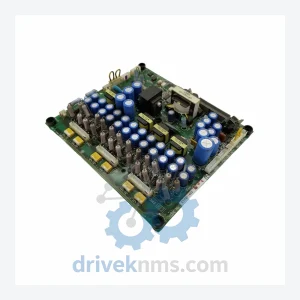
Yaskawa YPHT31295-1D Panel Power Board – Power Supply Series
Yaskawa YPHT31295-1D is listed for Power Supplies RFQ review. Confirm quantity, condition and destination before quotation.
RFQ-ready industrial model
Model: NX100 JZRCR-NTU01D-1
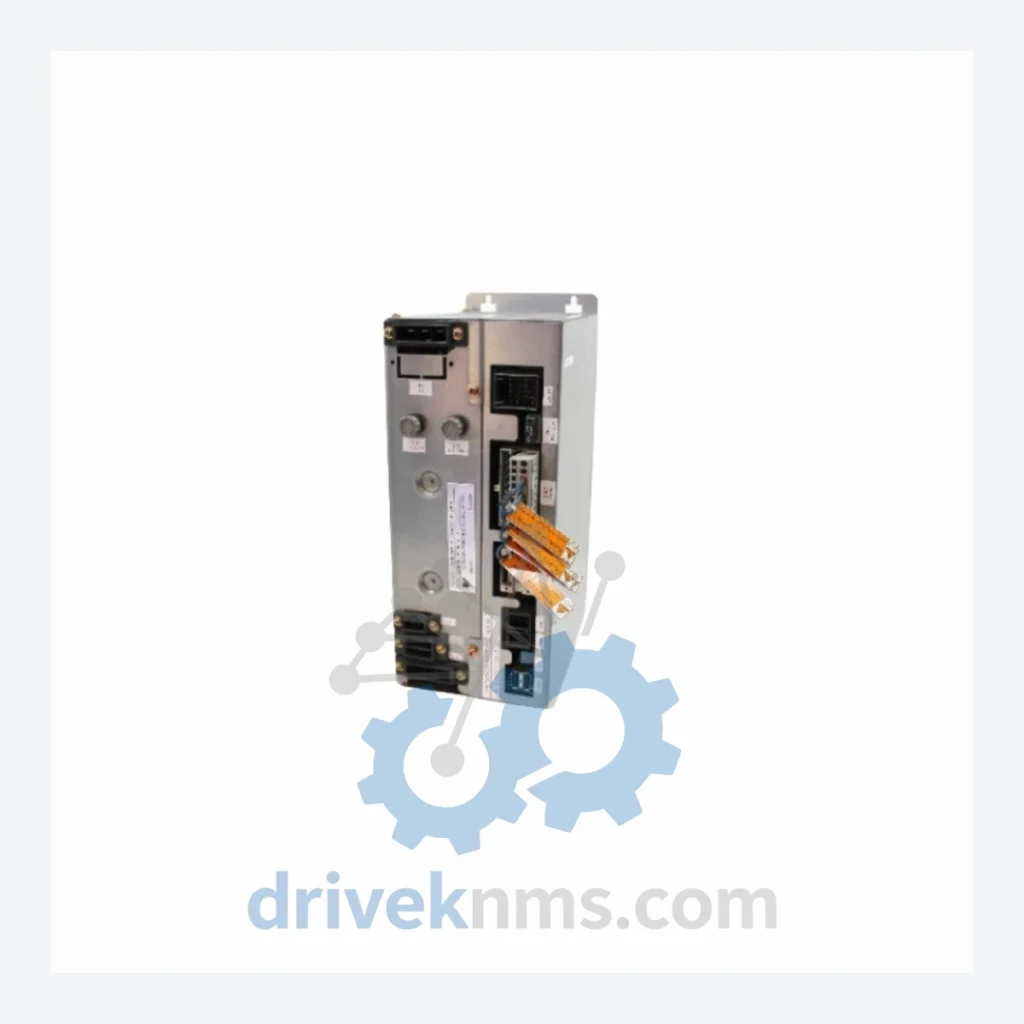
Product Overview
Commercial availability is handled through direct RFQ, model verification and export-oriented follow-up rather than public cart checkout.
Datasheet Preview
Use attached product manuals when available. If the manual is not public yet, request the full file directly through RFQ.
Commercial Path
Product pages on DRIVEKNMS are designed to verify model, brand and series first, then move the buyer into one clean quotation path.
Technical Dossier
The NX100 controller architecture is built around a VME-bus backplane with a proprietary Yaskawa communication protocol (MECHATROLINK-II on motion axes). It replaced the XRC's older ISA-based architecture with a more modular, rack-mounted card cage design. The CPU board (JANCD-NCP01) manages task scheduling and interpolation, while dedicated I/O boards (JANCD-NIO01, JANCD-NIO02) handle field-level signal interfacing. Power distribution is managed by the JZRCR-NTU01D-1 and related PSU boards, which convert incoming AC supply to regulated DC rails (+5V, ±15V, +24V) for the backplane and servo amplifier logic.
The NX100 was succeeded by the DX100 (circa 2008) and subsequently the DX200 and YRC1000 platforms. However, the NX100 remains in active service at facilities where the capital cost of controller migration is prohibitive. Compatibility between NX100 and DX100 modules is limited; most boards are not cross-compatible due to differing backplane pinouts and firmware architectures. This makes sourcing genuine NX100 spare parts a critical operational requirement for maintenance teams.
The following SKUs represent the core module range of the Yaskawa NX100 controller platform, organized by functional category. All models listed are verified NX100-series components.
Power Supply Modules
CPU & Main Control Boards
I/O Modules
Communication & Network Adapters
Servo & Motion Control Boards
Teach Pendant & HMI
NX100 modules present specific test challenges due to the VME backplane architecture and proprietary MECHATROLINK-II communication protocol. DriveKNMS applies the following test procedures to all NX100 boards prior to dispatch:
All tested units are issued a DriveKNMS inspection report with test date, technician ID, and measured parameters. Units that do not meet specification are quarantined and not offered for sale.
Continue The Model Path
Move from this exact model into the matching system hub, brand archive, model-family archive or lifecycle sourcing route before sending a final RFQ list.
Related Paths
Yaskawa YPHT31295-1D is listed for Power Supplies RFQ review. Confirm quantity, condition and destination before quotation.
Yaskawa YRC1000 CSRA-CPS01KA is listed for CSRA-CPS01KA & Full Series Catalog RFQ review. Confirm quantity, condition and destination before quotation.
Yaskawa XRC CPS-150F is listed for NX100 / XRC Series RFQ review. Confirm quantity, condition and destination before quotation.