
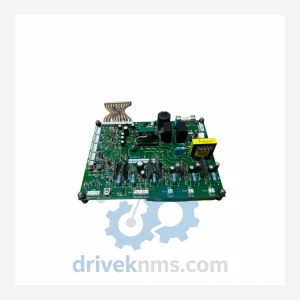
Yaskawa YPCT11065-1-3 Circuit Board – Obsolete Varispeed Series Spare Part
Yaskawa YPCT11065-1-3 is listed for Servo Drives RFQ review. Confirm quantity, condition and destination before quotation.
RFQ-ready industrial model
Model: SGM-08A3FJ62
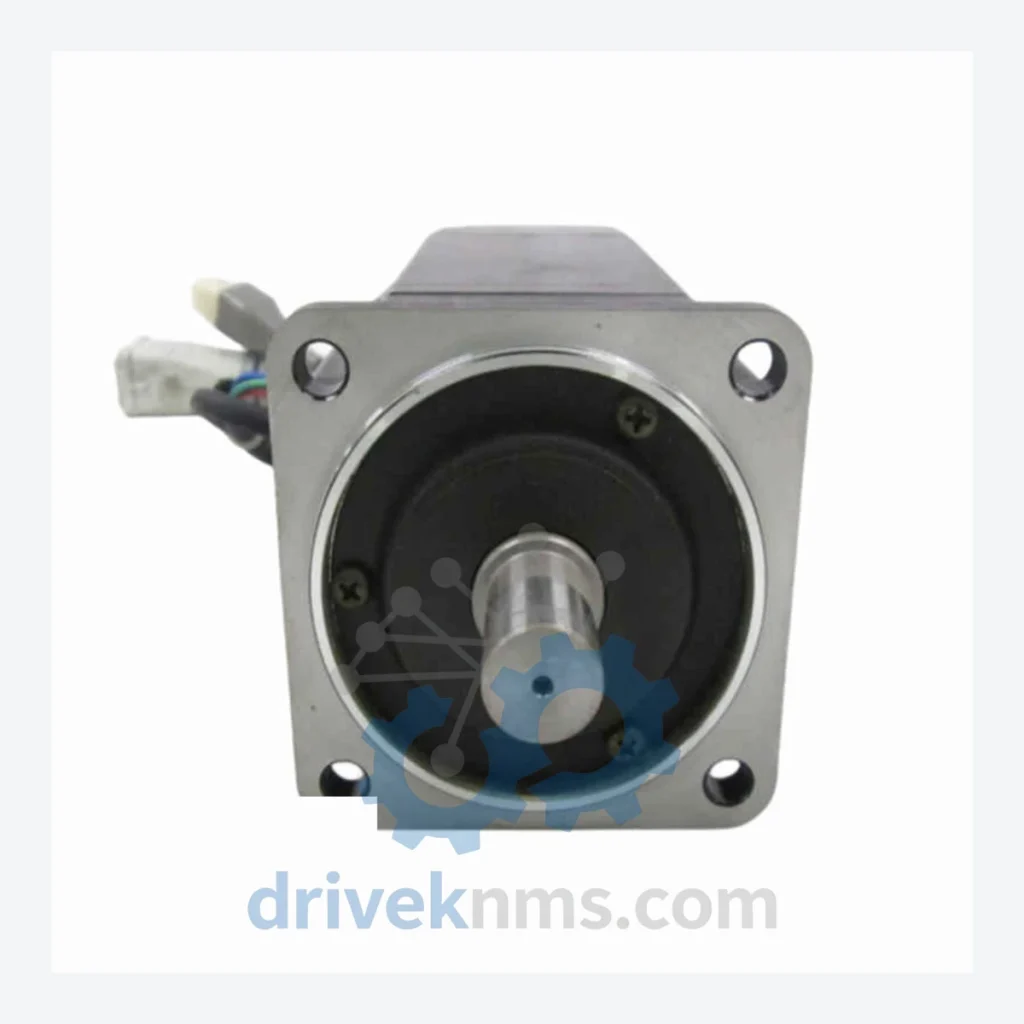
Product Overview
Commercial availability is handled through direct RFQ, model verification and export-oriented follow-up rather than public cart checkout.
Datasheet Preview
Use attached product manuals when available. If the manual is not public yet, request the full file directly through RFQ.
Commercial Path
Product pages on DRIVEKNMS are designed to verify model, brand and series first, then move the buyer into one clean quotation path.
Technical Dossier
DriveKNMS reviews sourcing options for discontinued components through RFQ handling before quotation.
RFQ support for obsolete parts: Send the model number, required quantity and destination so DriveKNMS can confirm sourcing options before quotation.
| Attribute | Detail |
|---|---|
| Manufacturer | Yaskawa Electric Corporation |
| Part Number | SGM-08A3FJ62 |
| Series | Sigma I (SGM) |
| Motor Type | AC Servo Motor (Brushless) |
| Power Class | 750 W nominal – verify against unit nameplate before installation |
| Compatible Drive Series | SGDA / SGDB Sigma I servo packs |
| Compatible Controllers | Yaskawa JEPMC, MP900, GL120 series |
| Country of Origin | Japan |
| Discontinuation Status | Obsolete – no longer manufactured by Yaskawa |
| Encoder Type | Incremental – confirm pulse count from original system documentation |
Note: Electrical parameters beyond those listed above are not published here to avoid specification errors. Always cross-reference the motor nameplate and the original system BOM before ordering.
The Sigma I servo motor family was Yaskawa's workhorse platform through the 1990s and into the early 2000s. Thousands of automated assembly lines, CNC machining centers, and packaging systems were built around it. The motors were robust, the drives were reliable, and the installed base grew large enough that many facilities simply never had a reason to migrate.
That installed base is now aging. Capacitors inside the paired SGDA/SGDB drives are past their rated service life. Encoder cables have been flexed through millions of cycles. And Yaskawa's own service network no longer stocks SGM-series components. When a motor fails today, the procurement team faces a binary choice: find a verified spare on the secondary market, or commit to a platform migration that will consume engineering resources for months.
The case for sourcing a spare SGM-08A3FJ62 is straightforward. A single replacement motor, installed by a technician already familiar with the machine, restores production within hours. The motion parameters already exist in the controller. The cable connectors are the same. The drive does not need to be retrained. The line resumes. Compare that to a migration project: new servo pack selection, cable re-routing, parameter re-mapping, safety re-validation, and operator retraining—all while the machine sits idle. For a production cell generating meaningful daily output, the cost differential is not marginal.
Extending the service life of a Sigma I system by five to ten years is achievable with disciplined spare parts management. The motor itself, when stored correctly in a dry, temperature-stable environment, retains its mechanical and electrical integrity for years. The encoder battery (where applicable) should be replaced on a scheduled basis. Bearing condition should be monitored through vibration analysis rather than waiting for audible failure. With these practices in place, a facility can defer a capital-intensive platform migration until it aligns with a planned shutdown or a broader facility upgrade—on the facility's schedule, not the failure's.
Every SGM-08A3FJ62 unit offered by DriveKNMS passes a five-stage inspection process before it is listed for sale:
1. Visual and Mechanical Inspection: Shaft runout check, housing integrity assessment, connector pin inspection for corrosion, bending, or contamination. Units with physical damage to the shaft or encoder housing are rejected at this stage.
2. Electrolytic Capacitor Assessment: Where accessible, capacitors in associated drive components are evaluated for bulging, leakage, or ESR deviation. Motors paired with drives showing capacitor degradation are flagged accordingly.
3. Encoder Verification: The encoder is powered and signal output is verified for correct pulse count and signal integrity. Erratic or missing encoder signals result in unit rejection.
4. Firmware and Label Cross-Check: The unit's nameplate data—model number, serial number, rated specifications—is cross-referenced against Yaskawa's published SGM series documentation to confirm the unit matches the listed part number without modification.
Q: How are RFQ terms confirmed?
A: Quantity, required condition, documentation needs, destination and sourcing route are confirmed during RFQ review before quotation.
Units that pass all five stages are packaged in anti-static material with desiccant and stored in a climate-controlled environment until shipment.
Drop-in replacement: The SGM-08A3FJ62 installs directly into the existing motor mount and connects to the existing SGDA/SGDB drive without modification. No re-wiring of the drive cabinet is required.
No reprogramming required: Because the motor's encoder resolution and electrical characteristics match the original unit, the servo drive's existing parameter set remains valid. The controller does not need to be retaught or re-homed beyond the standard post-replacement verification procedure.
Avoids engineering reconstruction costs: Substituting a non-Sigma-I motor—even a physically similar unit from another manufacturer—typically requires drive parameter recalculation, cable adaptation, and motion program adjustment. A genuine SGM-08A3FJ62 eliminates all of that.
Q: How is condition confirmed before quotation?
A: Available condition, photos, test records and documentation are checked according to the requested model and sourcing channel before a formal RFQ response.
Q: Can you support multi-unit or repeat RFQ requests?
A: Yes. Send the model list, target quantity and destination so DRIVEKNMS can review sourcing options and quote the requirement as a project RFQ.
How should I store a spare motor?
Store in original or equivalent anti-static packaging, in a dry environment between 0°C and 40°C, away from direct sunlight and magnetic fields. Rotate the shaft manually every six months to prevent bearing brinelling during long-term storage.
Continue The Model Path
Move from this exact model into the matching system hub, brand archive, model-family archive or lifecycle sourcing route before sending a final RFQ list.
Related Paths
Yaskawa YPCT11065-1-3 is listed for Servo Drives RFQ review. Confirm quantity, condition and destination before quotation.
Yaskawa YPHT11014-1A is listed for Servo Drives RFQ review. Confirm quantity, condition and destination before quotation.
Yaskawa YPHT31033-1-1 73600-A0101 is listed for Servo Drives RFQ review. Confirm quantity, condition and destination before quotation.