Products / Yaskawa / SDA21A01A-E Teach Pendant Keysheet Film
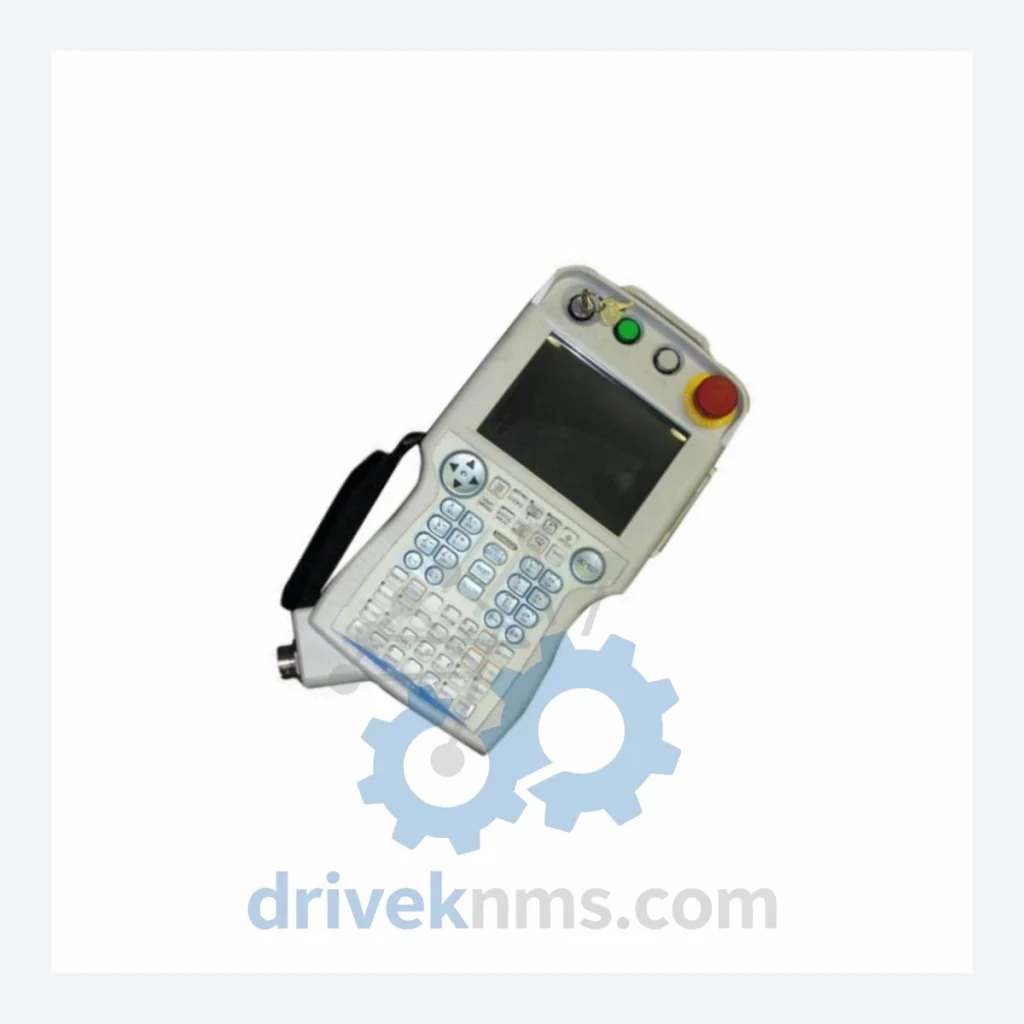
Yaskawa SDA21A01A-E Teach Pendant Keysheet Film

Yaskawa SRDA-SDA21A01A-E Teach Pendant Keysheet Film – Obsolete Sigma Series Spare Part

Model: SRDA-SDA21A01A-E JZNC-XPP02B JZNC-XPP04B
Brand Yaskawa
Series SDA21A01A-E Teach Pendant Keysheet Film
Model SRDA-SDA21A01A-E JZNC-XPP02B JZNC-XPP04B
RFQ-ready model route Obsolete and surplus sourcing Export follow-up by model list

Product Overview

Commercial availability is handled through direct RFQ, model verification and export-oriented follow-up rather than public cart checkout.

Datasheet Preview

Datasheet Preview

Use attached product manuals when available. If the manual is not public yet, request the full file directly through RFQ.

Request Full Manual

Commercial Path

Use This Page To Confirm The Model, Then Move To RFQ

Product pages on DRIVEKNMS are designed to verify model, brand and series first, then move the buyer into one clean quotation path.

Technical Dossier

Product Details And Specifications

Yaskawa SRDA-SDA21A01A-E Teach Pendant Keysheet Film – Obsolete Sigma Series Spare Part

When the teach pendant on a Yaskawa Sigma-series robot system fails, the consequences extend far beyond a single component. The teach pendant is the primary human-machine interface for robot programming, jogging, and fault diagnosis. A degraded or destroyed keysheet film renders the pendant non-functional — halting robot operation, suspending production, and forcing maintenance teams into a corner: source the exact replacement part, or face a system-wide upgrade that can run into hundreds of thousands of dollars in engineering, integration, and downtime costs.

The SRDA-SDA21A01A-E keysheet film, compatible with JZNC-XPP02B and JZNC-XPP04B teach pendants, is a discontinued Yaskawa OEM component. DriveKNMS maintains verified stock of this part for facilities that cannot afford to let a worn membrane film trigger a full automation overhaul.

Technical Specifications

Parameter Detail
Part Number SRDA-SDA21A01A-E
Compatible Teach Pendants JZNC-XPP02B, JZNC-XPP04B
Component Type Teach Pendant Keysheet Film (Membrane Overlay)
OEM Brand Yaskawa Electric Corporation
Series Sigma / JZNC Series
Country of Origin Japan
Discontinuation Status Discontinued – No longer in Yaskawa active production
Compatibility Note Verify pendant model before ordering; consult DriveKNMS for cross-reference support

Solving the Discontinued Hardware Crisis

Yaskawa's Sigma-series robot controllers and their associated JZNC-series teach pendants were deployed extensively across automotive body shops, electronics assembly lines, and general-purpose palletizing cells throughout the 1990s and 2000s. Many of these systems remain in active production today — not because operators are unaware of newer platforms, but because the cost and disruption of migration is prohibitive.

A full robot cell replacement — including new controller, arm, teach pendant, safety integration, and re-programming — routinely exceeds $80,000 to $250,000 USD per cell, before accounting for lost production during transition. For a facility running 10 to 30 such cells, the capital exposure is substantial.

The keysheet film on a teach pendant is a high-wear consumable. Daily use causes key legends to fade, membrane layers to delaminate, and tactile response to degrade. When the film fails completely, the pendant becomes unreliable for safe robot operation. Sourcing a direct OEM replacement like the SRDA-SDA21A01A-E restores full pendant functionality at a fraction of the cost of any alternative path — and extends the productive life of the broader robot system by years.

For plant managers operating legacy Yaskawa Sigma or JZNC-series installations, maintaining a buffer stock of critical wear components — teach pendant films, batteries, fuses, and communication cables — is the lowest-cost insurance policy available against unplanned downtime.

Extending Automation Asset Life by 5–10 Years: A Practical Strategy

Industrial automation assets depreciate on paper far faster than they wear out in practice. A Yaskawa robot system that is mechanically sound, electrically stable, and properly maintained can continue delivering production value well beyond its nominal service life — provided the supply of critical spare parts does not run dry.

The following approach has been used by maintenance teams to sustain legacy robot installations for an additional 5 to 10 years after OEM support ends:

  • Identify the top 10 failure-prone consumables for each robot model in your facility. Teach pendant keysheet films, encoder batteries, and brake resistors are typically on this list for Yaskawa Sigma-series systems.
  • Establish a minimum buffer stock of 2–3 units per critical part per cell cluster. The cost of holding this inventory is negligible compared to a single unplanned shutdown event.
  • Source from verified specialist distributors rather than general marketplaces. Parts for discontinued systems require provenance verification — counterfeit or mismatched components in a robot teach pendant can cause input errors, safety faults, or physical damage to the pendant housing.
  • Document firmware and software versions currently running on each controller. When sourcing replacement boards or interface components, version compatibility must be confirmed before installation.
  • Schedule proactive replacement of high-wear items like keysheet films during planned maintenance windows, rather than waiting for failure. A reactive replacement during production hours costs far more in labor and downtime than a scheduled swap.

DriveKNMS specializes in sourcing discontinued Yaskawa components for exactly this type of long-term asset protection strategy. Our inventory is not sourced from general liquidation channels — parts are individually assessed before being offered for sale.

Condition & Reliability Assurance

Discontinued parts sourced from secondary markets carry inherent risk. DriveKNMS applies a 5-step quality assessment protocol to all obsolete components before they are listed or shipped:

  1. Visual and physical inspection: Each keysheet film is examined for delamination, print degradation, membrane tears, and adhesive integrity. Parts showing cosmetic or structural compromise are rejected.
  2. Electrolytic capacitor assessment (where applicable): For associated electronic components, capacitor condition is evaluated. Aged electrolytic capacitors are a primary failure mode in legacy control hardware and are flagged accordingly.
  3. Firmware and label version verification: Part markings, revision codes, and any embedded version identifiers are cross-referenced against known Yaskawa documentation to confirm the part matches the listed specification.
  4. Pin and connector corrosion check: All interface points are inspected for oxidation, corrosion, or mechanical deformation that could affect installation or signal integrity.
  5. Functional cross-reference confirmation: Compatibility with JZNC-XPP02B and JZNC-XPP04B pendants is verified against available technical references before the part is offered for sale.

Parts that do not pass all five stages are not listed. We do not offer parts we cannot stand behind.

Key Features for System Maintenance

  • Drop-in replacement: The SRDA-SDA21A01A-E installs directly into compatible JZNC-series teach pendants without modification to the pendant housing or internal wiring.
  • No reprogramming required: Replacing the keysheet film does not affect controller memory, robot programs, or I/O configurations. The robot system remains fully operational immediately after replacement.
  • Avoids engineering reconstruction costs: A direct OEM-equivalent replacement eliminates the need for pendant reconfiguration, software adaptation, or safety system re-validation — costs that accompany any platform migration.
  • Preserves operator familiarity: Operators trained on the existing pendant layout continue working without retraining. This is a non-trivial operational consideration in facilities with high technician turnover.

FAQ

How do I know the part is genuine or properly refurbished?
All parts sourced by DriveKNMS are individually assessed through our 5-step QA process described above. We do not list parts in bulk without individual inspection. If you require additional documentation or photos of the specific unit prior to purchase, contact us and we will provide them.

Should I buy more than one unit?
For facilities running multiple JZNC-series teach pendants, holding 2–3 spare keysheet films is a standard maintenance practice. Given that this part is discontinued and inventory is finite, procurement teams managing long-term maintenance budgets are advised to secure adequate stock now rather than at the point of failure.

WhatsApp Prefilled Inquiry Email [email protected] Phone +86 18359293191 Top Back To Top