
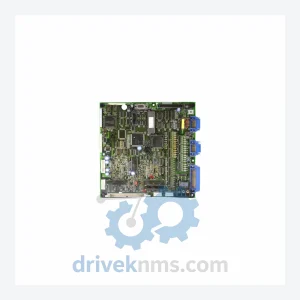
Yaskawa YPHT11014-1A Circuit Board – Obsolete Drive Control Spare Part
Yaskawa YPHT11014-1A is listed for Servo Drives RFQ review. Confirm quantity, condition and destination before quotation.
RFQ-ready industrial model
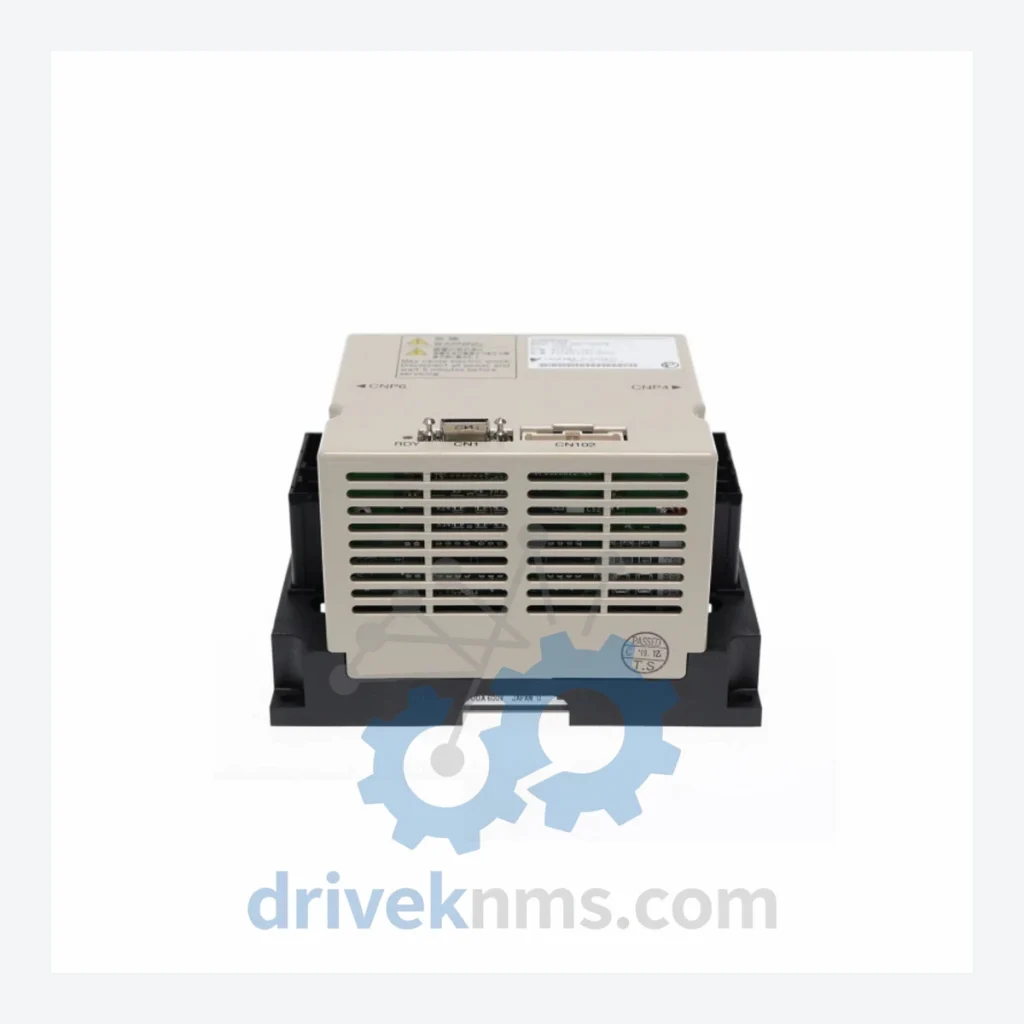
Model: SRDA-SDA71A01A-1
Product Overview
Commercial availability is handled through direct RFQ, model verification and export-oriented follow-up rather than public cart checkout.
Datasheet Preview
Use attached product manuals when available. If the manual is not public yet, request the full file directly through RFQ.
Commercial Path
Product pages on DRIVEKNMS are designed to verify model, brand and series first, then move the buyer into one clean quotation path.
Technical Dossier
The Yaskawa SRDA series servo amplifier platform is a core motion control component deployed across global heavy industry sectors, including petrochemical plants, nuclear power facilities, offshore oil refineries, steel mills, and large-scale automated manufacturing lines. The SRDA designation covers the digital servo drive amplifier modules engineered for Yaskawa's Sigma-II and Sigma-III servo motor families, providing closed-loop torque, velocity, and position control with high-resolution encoder feedback. These units are embedded in multi-axis machine tool controllers, robotic welding cells, and continuous process control systems where long operational lifecycles—often exceeding 15 years—are standard. The SRDA-SDA71A01A-1 is a representative unit within this catalog, rated for specific power and current output parameters aligned with Yaskawa's SDA motor frame class.
The SRDA series emerged as Yaskawa transitioned from analog servo control (CACR/CPCR families) to fully digital drive platforms in the mid-1990s. Early SRDA units used proprietary serial encoder interfaces (Yaskawa's own 13-bit and 17-bit absolute encoder protocols) and communicated with host controllers via MECHATROLINK-I, a single-master synchronous fieldbus operating at 4 Mbps over RS-485 physical layer. As industrial networks evolved, MECHATROLINK-II (10 Mbps, multi-drop, up to 30 axes) became the dominant interface for SRDA-generation drives, enabling tighter synchronization across multi-axis gantry and Cartesian systems.
The SRDA architecture introduced on-board parameter storage via EEPROM, replacing the external parameter units (JUSP-OP) required by earlier SGDA/SGDB drives. Regenerative braking circuits were integrated directly into the amplifier module, reducing external resistor bank requirements for most standard inertia loads. The SDA sub-series (as in SRDA-SDA71A01A-1) corresponds to specific motor frame and power class pairings within the broader SRDA catalog. Compatibility constraints are significant: SRDA drives are not interchangeable with the later SGDV (Sigma-V) or SGDH (Sigma-II standalone) series without controller-side parameter and wiring modifications. Facilities running legacy Yaskawa MP-series or 21-series machine controllers must source original SRDA units or validated drop-in equivalents to maintain system integrity.
The following SKUs represent verified models within the Yaskawa SRDA servo amplifier series, organized by functional classification. Each unit is a discrete servo power amplifier module unless otherwise noted.
Servo Power Amplifier Modules — SDA Sub-Series
The SRDA series has entered the mature-to-end-of-life phase of its product lifecycle. Yaskawa has formally discontinued new production of most SRDA amplifier variants, with official factory support limited or unavailable for many sub-models. This creates a critical sourcing challenge for facilities operating legacy machine tools, transfer lines, or process control systems built around SRDA-equipped servo axes.
SRDA series amplifiers present specific diagnostic challenges due to their integrated MECHATROLINK-II communication stack, multi-layer control PCB architecture, and dependency on Yaskawa-proprietary encoder protocols. DriveKNMS applies a structured test protocol to all SRDA units prior to shipment.
Continue The Model Path
Move from this exact model into the matching system hub, brand archive, model-family archive or lifecycle sourcing route before sending a final RFQ list.
Related Paths
Yaskawa YPHT11014-1A is listed for Servo Drives RFQ review. Confirm quantity, condition and destination before quotation.
Yaskawa YPCT11065-1-3 is listed for Servo Drives RFQ review. Confirm quantity, condition and destination before quotation.
Yaskawa YPHT31033-1-1 73600-A0101 is listed for Servo Drives RFQ review. Confirm quantity, condition and destination before quotation.