
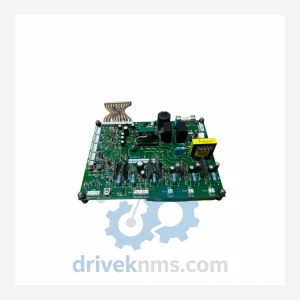
Yaskawa YPCT11065-1-3 Circuit Board – Obsolete Varispeed Series Spare Part
Yaskawa YPCT11065-1-3 is listed for Servo Drives RFQ review. Confirm quantity, condition and destination before quotation.
RFQ-ready industrial model
Model: YRC1000 JANCD-ACP02-E JZNC-MPP49J DX200 SRDA-SDA06A01A-E
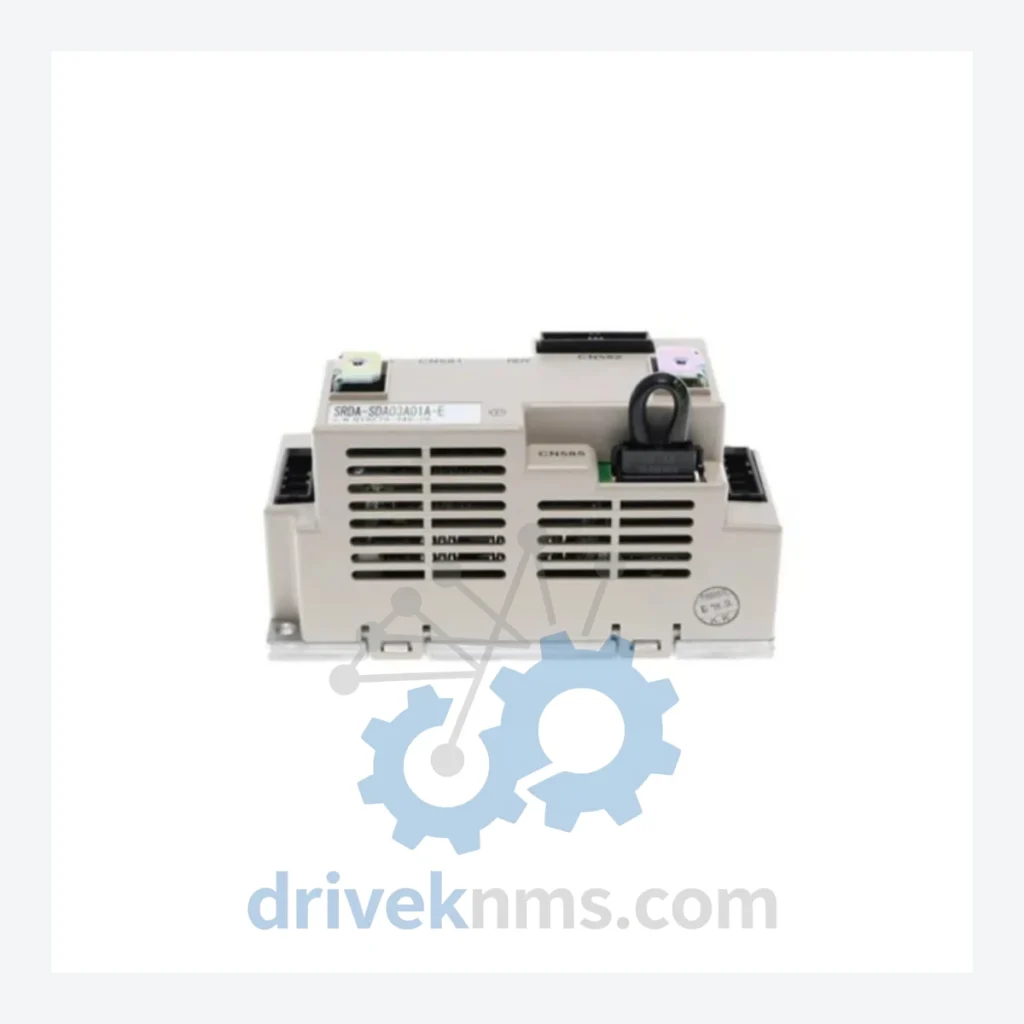
Product Overview
Commercial availability is handled through direct RFQ, model verification and export-oriented follow-up rather than public cart checkout.
Datasheet Preview
Use attached product manuals when available. If the manual is not public yet, request the full file directly through RFQ.
Commercial Path
Product pages on DRIVEKNMS are designed to verify model, brand and series first, then move the buyer into one clean quotation path.
Technical Dossier
The Yaskawa YRC1000 and its predecessor DX200 represent the dominant robot controller platforms deployed across global heavy industry — including petrochemical refineries, nuclear facility material handling, automotive body welding lines, and continuous-process chemical plants. With installed bases spanning North America, Europe, and Asia-Pacific, these controllers underpin Yaskawa Motoman robot arms from the MA, MH, HP, and GP series. The YRC1000 introduced a compact, energy-efficient architecture with enhanced network integration (EtherNet/IP, PROFINET, DeviceNet), while the DX200 established the benchmark for multi-axis synchronized control in high-throughput manufacturing. Both platforms share a modular backplane design, enabling field-level replacement of individual CPU, I/O, servo amplifier, and communication boards without full controller replacement — a critical factor for facilities operating under continuous-production mandates.
Yaskawa's robot controller lineage progressed through the YASNAC MRC (1990s), XRC (early 2000s), NX100 (mid-2000s), DX100 (2008–2012), DX200 (2012–2019), and YRC1000 / YRC1000micro (2016–present). Each generation introduced tighter servo loop timing, expanded axis count, and broader fieldbus compatibility. The DX200 standardized the JANCD-series board nomenclature and the SRDA-series servo amplifier modules, both of which remain in active use at thousands of installed sites. The YRC1000 retained backward-compatible wiring harness layouts for many peripheral I/O boards, reducing retrofit costs. However, CPU and servo amplifier boards are not cross-compatible between DX200 and YRC1000 due to differing backplane bus protocols. Facilities running DX200 controllers manufactured before 2016 face increasing obsolescence risk as Yaskawa has transitioned primary support to YRC1000. Sourcing certified replacement boards for DX200 is now primarily dependent on specialist distributors maintaining legacy inventory.
CPU & Main Control Boards
Servo Amplifier Modules
I/O & Signal Processing Boards
Communication & Network Adapter Boards
Power Supply Boards
Continue The Model Path
Move from this exact model into the matching system hub, brand archive, model-family archive or lifecycle sourcing route before sending a final RFQ list.
Related Paths
Yaskawa YPCT11065-1-3 is listed for Servo Drives RFQ review. Confirm quantity, condition and destination before quotation.
Yaskawa YPHT11014-1A is listed for Servo Drives RFQ review. Confirm quantity, condition and destination before quotation.
Yaskawa YPHT31033-1-1 73600-A0101 is listed for Servo Drives RFQ review. Confirm quantity, condition and destination before quotation.