
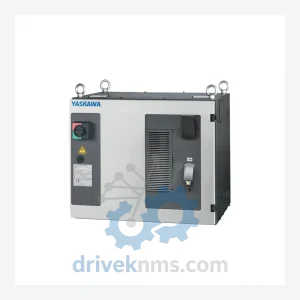
Yaskawa YRC1000 Modules SCRA-SDA11H01A
Yaskawa SCRA-SDA11H01A yrc1000 is listed for YRC1000 RFQ review. Confirm quantity, condition and destination before quotation.
RFQ-ready industrial model
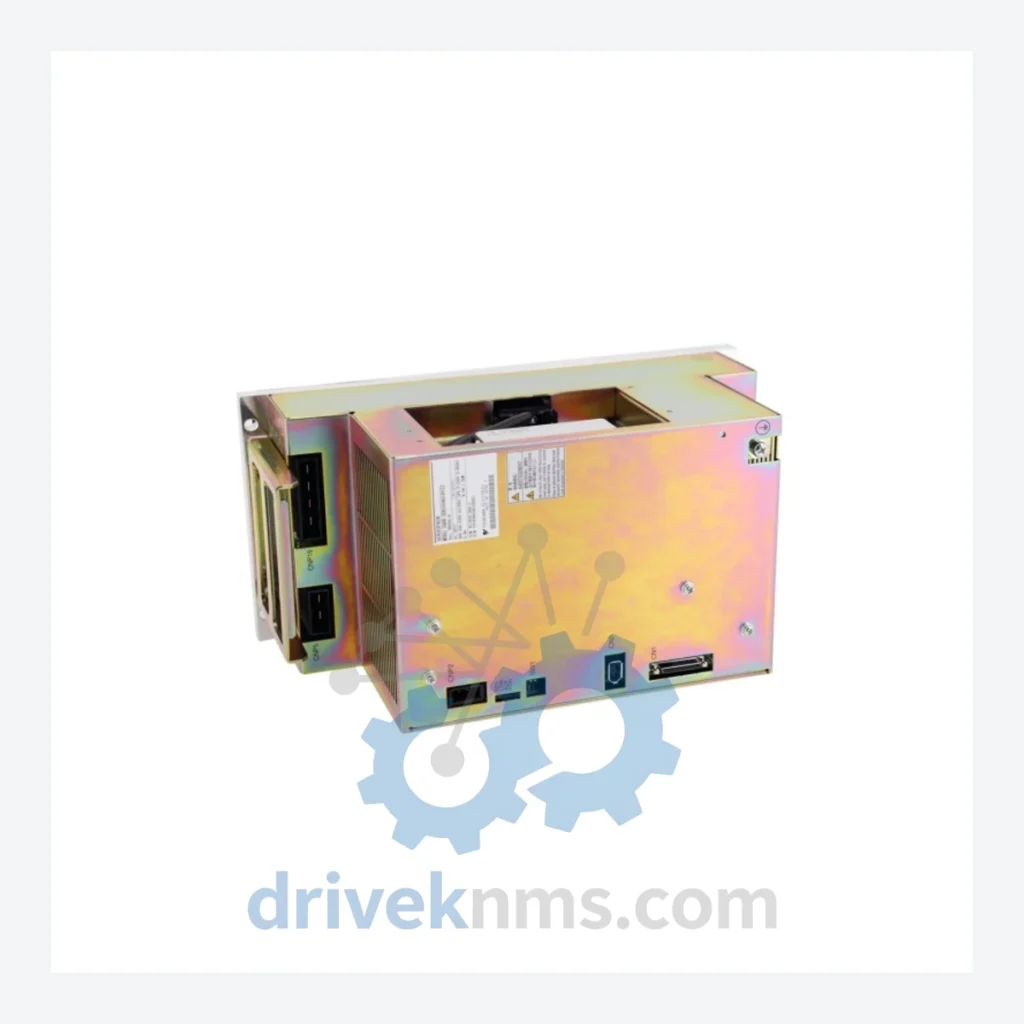
Model: YRC1000CPU ACP01-E SGDR-C0A040A01BNX100 SGDR-C0A040A01B
Product Overview
Commercial availability is handled through direct RFQ, model verification and export-oriented follow-up rather than public cart checkout.
Datasheet Preview
Use attached product manuals when available. If the manual is not public yet, request the full file directly through RFQ.
Commercial Path
Product pages on DRIVEKNMS are designed to verify model, brand and series first, then move the buyer into one clean quotation path.
Technical Dossier
The YRC1000 operates on a real-time OS with a 0.4 ms interpolation cycle, supports up to 8-axis coordinated motion, and is rated for ambient temperatures of 0–45°C with IP54 front-panel protection. The controller communicates natively over EtherNet/IP, DeviceNet, PROFIBUS-DP, PROFINET, and CC-Link, enabling direct integration into existing DCS and SCADA architectures without gateway hardware.
YASKAWA's robot controller lineage progressed through the XRC (1998), NX100 (2003), DX100 (2008), DX200 (2012), and YRC1000 (2016) platforms. Each generation introduced tighter servo loop timing, expanded axis count, and updated fieldbus support. The YRC1000 replaced the DX200's VME-based backplane with a proprietary high-speed serial bus (MECHATROLINK-III derivative), reducing wiring complexity and improving noise immunity in high-EMI environments such as arc welding cells.
The YRC1000micro variant (2018) introduced a reduced-footprint controller for the GP4, GP7, and GP8 compact robots, sharing the same software environment (YAS3.x firmware) but with a simplified I/O chassis. Compatibility between YRC1000 and YRC1000micro at the teach pendant and software level allows unified fleet management across mixed robot sizes.
Legacy DX200 programs can be converted to YRC1000 via YASKAWA's MotoSim EG-VRC offline programming tool, though axis configuration files and I/O mapping require manual verification. Spare parts for DX100 and DX200 are increasingly sourced through aftermarket channels as OEM production winds down, making third-party inventory suppliers critical for long-term plant maintenance contracts.
The following SKUs represent the core module range of the YASKAWA YRC1000 controller platform, classified by functional category:
CPU & Main Control Boards
YRC1000CPU ACP01-E SGDR-C0A040A01BNX100 SGDR-C0A040A01B: YRC1000 main CPU board assembly with integrated servo amplifier unit, 40A rating, NX100 interface; primary motion and logic controller for 6-axis MOTOMAN robots.
JANCD-YCP01-E: YRC1000 CPU board; central processing unit handling real-time interpolation, program execution, and axis coordination at 0.4 ms cycle time.
JANCD-YCP02-E: Upgraded YRC1000 CPU board with expanded memory capacity for complex multi-task programs and extended job file storage.
JANCD-YSF21-E: YRC1000 safety CPU board; manages functional safety (FSU) logic including speed monitoring, zone limiting, and dual-channel E-stop processing to PLd/Cat.3.
I/O Modules
JANCD-YIO21-E: YRC1000 base I/O board; provides 40 DI / 40 DO standard digital I/O points for interfacing with external PLCs, conveyors, and safety relays.
JANCD-YIO22-E: Expanded I/O board for YRC1000; adds 24 additional DI / 24 DO channels for high-density I/O applications in multi-fixture welding cells.
JANCD-YEW01-E: EtherNet/IP communication board for YRC1000; enables adapter and scanner mode operation on standard 100BASE-TX networks.
JANCD-YPN01-E: PROFINET IO device board for YRC1000; supports RT and IRT communication classes for integration with Siemens S7 and other PROFINET controllers.
JANCD-YDN21-E: DeviceNet slave communication board; provides Group 2 Only slave functionality for legacy DeviceNet master PLC architectures.
Servo Amplifier & Drive Modules
SGDR-C0A040A01B: YASKAWA servo amplifier unit, 40A continuous output, integrated into YRC1000CPU assembly; drives primary robot axes 1–3 in standard 6-axis configurations.
SGDR-C0A020A01B: Servo amplifier unit, 20A rating; used for wrist axes (axes 4–6) in GP-series and MA-series MOTOMAN robots under YRC1000 control.
SGDR-C0A080A01B: High-current servo amplifier, 80A; deployed in heavy-payload robots (PL190, PL320) requiring higher torque output on primary axes.
CACR-SR10BB1AF: Servo pack for YRC1000-compatible axes; 1.0 kW rated, used in auxiliary axis configurations and positioner drives.
Power Supply & Infrastructure
JANCD-YPS21-E: YRC1000 primary power supply board; converts AC input to regulated DC rails for CPU, I/O, and communication boards within the controller cabinet.
JANCD-YBK01-E: YRC1000 brake control board; manages electromagnetic brake release sequencing for all robot axes during power-on and emergency stop events.
JZNC-YRK01-1E: YRC1000 rack/backplane assembly; houses CPU, I/O, and communication boards; the mechanical and electrical backbone of the controller chassis.
Teach Pendant & Interface
JZRCR-YPP21-1: YRC1000 programming pendant (Smart Pendant); 7-inch touchscreen interface for robot programming, job editing, and diagnostic access.
JZRCR-YPP01-1: Standard YRC1000 teach pendant; traditional keypad-based interface compatible with all YRC1000 firmware versions.
DriveKNMS maintains a dedicated inventory of both current-production and end-of-life YASKAWA YRC1000 components. As the YRC1000 platform matures and YASKAWA progressively transitions focus to the YRC1000+ and next-generation controllers, certain sub-assemblies — particularly early-revision CPU boards (JANCD-YCP01-E Rev.A), first-generation safety boards, and original servo amplifier units — are entering reduced-availability status through official distribution channels.
DriveKNMS sources these components through certified secondary market channels, including decommissioned robot cells from automotive OEMs, refurbished units from controlled teardowns, and direct manufacturer surplus. All units are cataloged by revision level and firmware compatibility to prevent cross-revision installation errors, which are a known failure mode when mixing YRC1000 board generations.
YRC1000 boards present specific test challenges due to their integrated MECHATROLINK-III serial bus architecture and the tight coupling between CPU, servo, and safety subsystems. DriveKNMS applies the following verification protocol to all YRC1000 units prior to dispatch:
Continue The Model Path
Move from this exact model into the matching system hub, brand archive, model-family archive or lifecycle sourcing route before sending a final RFQ list.
Related Paths
Yaskawa SCRA-SDA11H01A yrc1000 is listed for YRC1000 RFQ review. Confirm quantity, condition and destination before quotation.
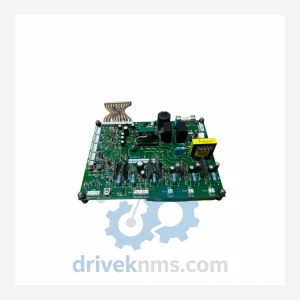
Yaskawa YPCT11065-1-3 is listed for Servo Drives RFQ review. Confirm quantity, condition and destination before quotation.
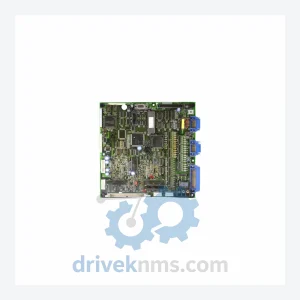
Yaskawa YPHT11014-1A is listed for Servo Drives RFQ review. Confirm quantity, condition and destination before quotation.