
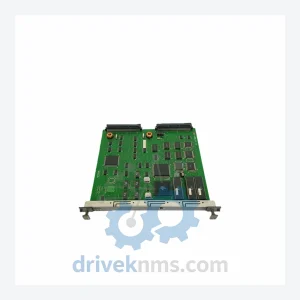
Yokogawa RB301 S2 RIO Bus Interface Master Card – Obsolete CENTUM Series Spare Part
Yokogawa RB301 S2 is listed for CENTUM Series RFQ review. Confirm quantity, condition and destination before quotation.
RFQ-ready industrial model
Model: AAB841
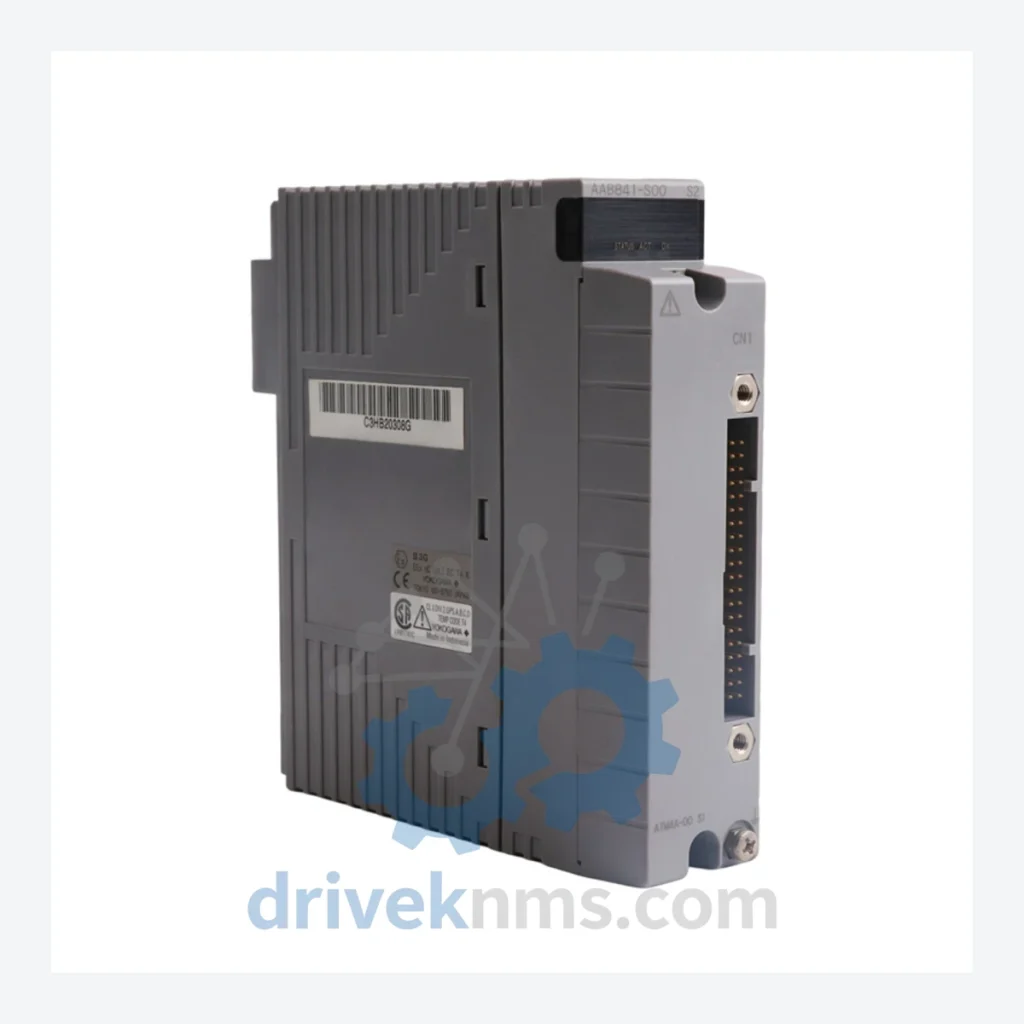
Product Overview
Commercial availability is handled through direct RFQ, model verification and export-oriented follow-up rather than public cart checkout.
Datasheet Preview
Use attached product manuals when available. If the manual is not public yet, request the full file directly through RFQ.
Commercial Path
Product pages on DRIVEKNMS are designed to verify model, brand and series first, then move the buyer into one clean quotation path.
Technical Dossier
DriveKNMS reviews sourcing options for this model during RFQ handling before quotation.
RFQ support for obsolete parts: Send the model number, required quantity and destination so DriveKNMS can confirm sourcing options before quotation.
Note: Electrical parameters such as channel count, signal range, and I/O configuration are not published here to prevent specification errors. Please contact us with your system documentation for cross-reference confirmation.
The Yokogawa CENTUM platform has served process industries — refining, petrochemical, power generation, and pharmaceuticals — for decades. Its reliability record is precisely why so many facilities continue to operate it well past the vendor's recommended lifecycle. The AAB841 analog I/O module sits at the interface between field instrumentation and the control logic layer. There is no generic substitute. Replacing it with a non-native module requires signal conditioning redesign, loop reconfiguration, and in most cases, a full functional safety review.
Every AAB841 unit processed by DriveKNMS passes a structured 5-step inspection protocol before it is offered for sale:
Q: How do I know the unit is genuine and not counterfeit?
A: All units are sourced from documented industrial decommissioning projects or authorized secondary market channels. Markings, board revisions, and component profiles are cross-checked against known genuine references. We do not source from unverified brokers.
Q: Can you confirm compatibility with my specific CENTUM system version before I order?
A: Yes. Provide your CENTUM system generation, engineering station software version, and the existing module's label information. We will confirm compatibility before invoicing.
Continue The Model Path
Move from this exact model into the matching system hub, brand archive, model-family archive or lifecycle sourcing route before sending a final RFQ list.
Related Paths
Yokogawa RB301 S2 is listed for CENTUM Series RFQ review. Confirm quantity, condition and destination before quotation.
Yokogawa DU200-31 is listed for CENTUM Series RFQ review. Confirm quantity, condition and destination before quotation.
Yokogawa spw484-50 is listed for CENTUM Series RFQ review. Confirm quantity, condition and destination before quotation.