
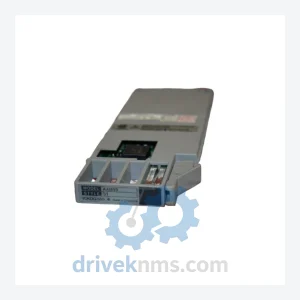
YOKOGAWA STARDOM / CENTUM Series Analog Input Modules: AAM10
Yokogawa AAM10 is listed for STARDOM RFQ review. Confirm quantity, condition and destination before quotation.
RFQ-ready industrial model
Model: AAI141-H03 S1
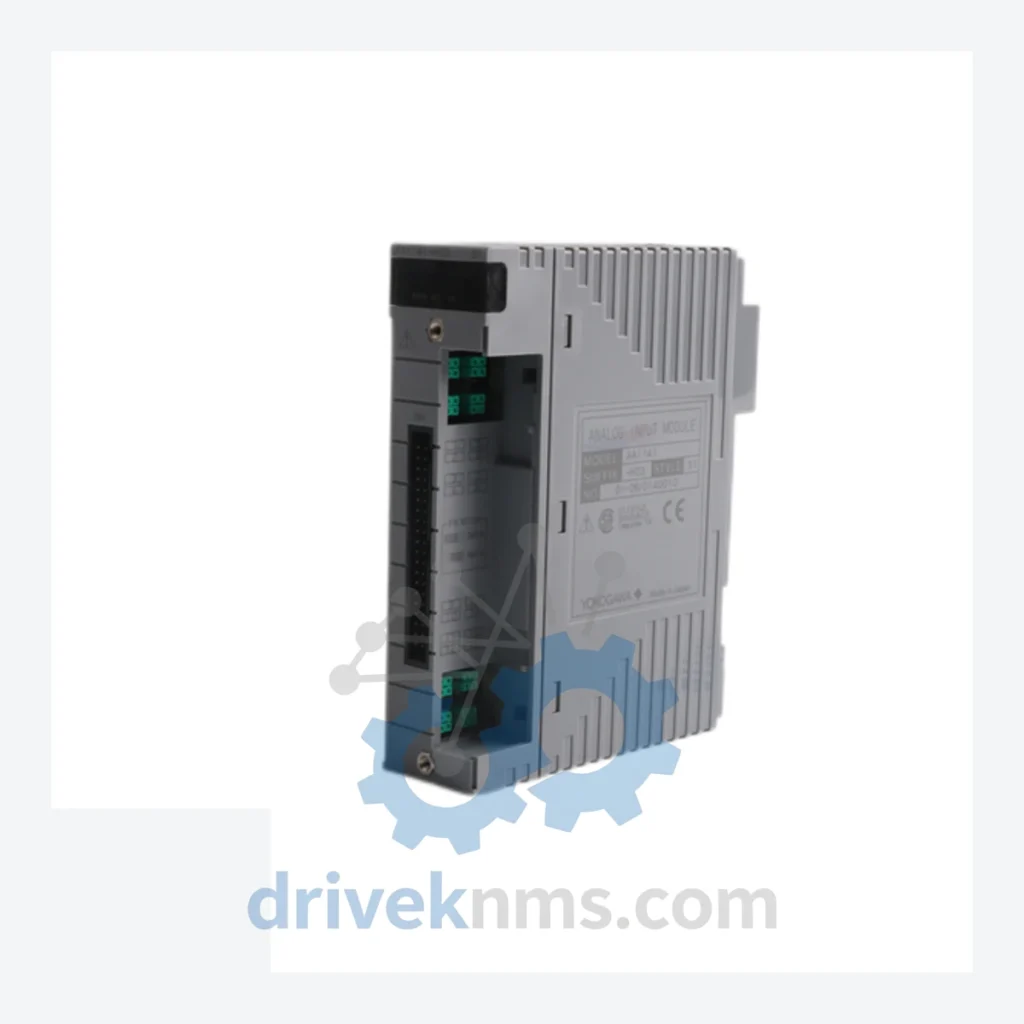
Product Overview
Commercial availability is handled through direct RFQ, model verification and export-oriented follow-up rather than public cart checkout.
Datasheet Preview
Use attached product manuals when available. If the manual is not public yet, request the full file directly through RFQ.
Commercial Path
Product pages on DRIVEKNMS are designed to verify model, brand and series first, then move the buyer into one clean quotation path.
Technical Dossier
When a Yokogawa AAI141-H03 S1 analog input module fails in a running CENTUM-based distributed control system, the consequences extend far beyond the cost of the module itself. A single failed I/O card can halt an entire process line. For facilities still operating on CENTUM CS, CENTUM CS 3000, or earlier CENTUM V architectures, the path to replacement is not a catalog order — it is a procurement challenge that can stretch weeks or months. Meanwhile, the alternative — a full DCS migration — carries engineering costs that routinely exceed seven figures, plus the operational risk of a major cutover.
DriveKNMS reviews sourcing options for this model through RFQ handling before quotation.
RFQ support for obsolete parts: Send the model number, required quantity and destination so DriveKNMS can confirm sourcing options before quotation.
| Parameter | Detail |
|---|---|
| Manufacturer | Yokogawa Electric Corporation |
| Part Number | AAI141-H03 S1 |
| Module Type | Analog Input Module |
| Compatible Systems | Yokogawa CENTUM CS, CENTUM CS 3000, CENTUM VP (legacy I/O bus) |
| Signal Type | 4–20 mA analog input |
| Country of Origin | Japan |
| Discontinuation Status | Obsolete – no longer manufactured; replacement requires system-level engineering if substituted with current-generation hardware |
| Condition Available | New surplus / Professionally refurbished (QA-verified) |
Note: Electrical parameters not independently verified by DriveKNMS are intentionally omitted. Specifications above are drawn from publicly available Yokogawa documentation. Buyers are advised to cross-reference against their system's engineering drawings prior to installation.
Q: How are RFQ terms confirmed?
A: Quantity, required condition, documentation needs, destination and sourcing route are confirmed during RFQ review before quotation.
For plants still running CENTUM CS or CS 3000 architectures, Yokogawa's current CENTUM VP generation uses a different I/O bus structure. A like-for-like swap of an AAI141-H03 S1 with a current-generation card is not a plug-and-play operation — it requires bus adapter hardware, potential marshalling cabinet modifications, and in many cases, a full I/O re-engineering exercise. The engineering labor alone for such a migration, across a mid-sized unit, typically runs into the hundreds of thousands of dollars before a single new card is purchased.
Plants that have implemented structured legacy spare parts programs consistently report the ability to extend operational life of their existing DCS infrastructure by 7–10 years beyond the manufacturer's end-of-support date, at a total cost that is a fraction of a full migration project.
DriveKNMS applies a 5-step QA protocol to all refurbished legacy modules before they leave our facility:
New surplus units are inspected for storage condition and packaging integrity. All units ship with documentation of their condition grade.
How do I know the unit is genuine and not counterfeit?
All Yokogawa modules sourced by DriveKNMS are inspected for authenticity markers including label integrity, PCB markings, and component consistency. We do not source from unverified secondary markets. Provenance documentation is available on request for critical applications.
Should I buy more than one unit?
For any CENTUM installation with a planned operational horizon beyond 3 years, holding a minimum of two AAI141-H03 S1 units in reserve is a defensible maintenance strategy. Analog input modules are among the higher-turnover card types in legacy DCS systems due to field exposure and age-related component degradation. The cost of a second spare is negligible relative to the cost of an unplanned production stoppage while sourcing a replacement on the open market.
Continue The Model Path
Move from this exact model into the matching system hub, brand archive, model-family archive or lifecycle sourcing route before sending a final RFQ list.
Related Paths
Yokogawa AAM10 is listed for STARDOM RFQ review. Confirm quantity, condition and destination before quotation.
Yokogawa AAI141-S00 is listed for CENTUM VP RFQ review. Confirm quantity, condition and destination before quotation.
Yokogawa AAM50 is listed for CENTUM VP RFQ review. Confirm quantity, condition and destination before quotation.