
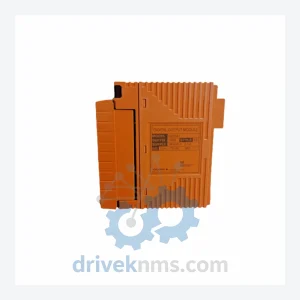
YOKOGAWA CENTUM VP / CS 3000 SDV531-S63 Digital Output Module
Yokogawa SDV531-S63 is listed for CENTUM VP RFQ review. Confirm quantity, condition and destination before quotation.
RFQ-ready industrial model
Model: AAI143-H53
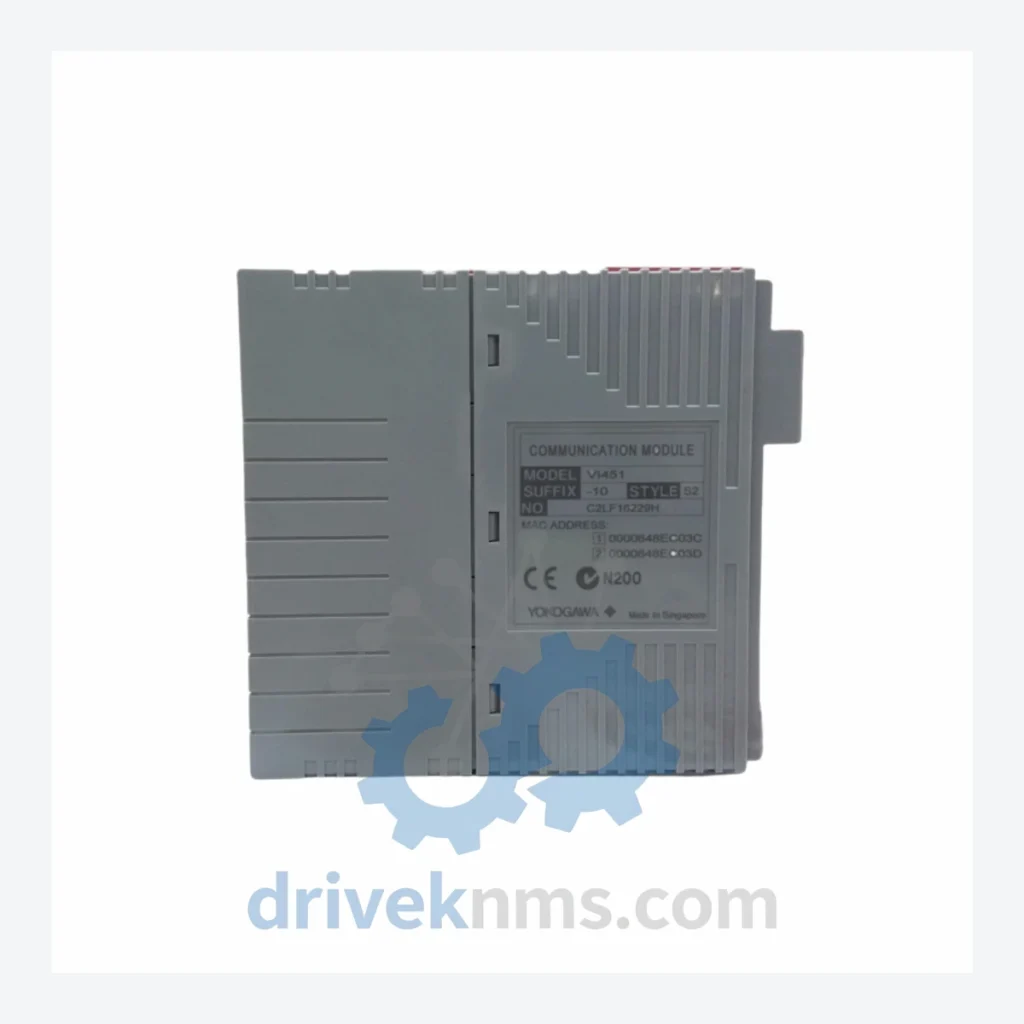
Product Overview
Commercial availability is handled through direct RFQ, model verification and export-oriented follow-up rather than public cart checkout.
Datasheet Preview
Use attached product manuals when available. If the manual is not public yet, request the full file directly through RFQ.
Commercial Path
Product pages on DRIVEKNMS are designed to verify model, brand and series first, then move the buyer into one clean quotation path.
Technical Dossier
The Yokogawa AAI143 series of analog input modules occupies a critical position in the global distributed control system (DCS) infrastructure. Deployed extensively in petrochemical complexes, nuclear power facilities, offshore platforms, and large-scale refinery operations, these modules form the field-interface backbone of Yokogawa's CENTUM CS 3000 and CENTUM VP control architectures. With installed bases spanning Asia-Pacific, the Middle East, and Europe, the AAI143 family represents one of the most widely maintained analog I/O module lines in heavy process industries. The AAI143-H53 variant specifically provides 16-channel 4–20 mA analog input capability with HART communication support, making it a standard specification item in instrumentation bills of materials for greenfield and brownfield DCS projects alike.
Yokogawa's analog input module lineage within the CENTUM platform traces back to the CENTUM XL and CENTUM CS generations of the 1990s. Early analog input cards in these systems used proprietary backplane bus protocols with limited field device diagnostics. With the introduction of CENTUM CS 3000 (released 1998), Yokogawa standardized the AAI/AAO module form factor, introducing the AAI141, AAI143, and AAI835 families with a unified node bus interface and improved EMC shielding.
The AAI143 series introduced multi-channel HART pass-through capability, enabling field device parameterization without loop interruption — a significant operational advantage over predecessor modules. The suffix designation (e.g., -H53, -S53) encodes hardware revision, terminal block type, and intrinsic safety classification. As CENTUM VP superseded CS 3000 from 2008 onward, the AAI143 module retained backward compatibility through the FIO (Field I/O) bus architecture, allowing direct reuse in VP-based expansions without re-engineering the field wiring infrastructure.
The following SKUs represent verified models within the Yokogawa AAI143 and closely related CENTUM analog input module families. Each entry reflects a distinct hardware configuration used in active DCS installations.
Analog Input Modules — AAI143 Series
Analog Output Modules — AAO Series (Companion Modules)
Digital Input / Output Modules — ADV/ADO Series (Co-deployed)
Communication & Node Interface Modules
AAI143 modules present specific test challenges due to their multi-channel HART multiplexing architecture and FIO backplane bus interface. DriveKNMS applies a structured test protocol to all AAI143 units prior to dispatch:
Continue The Model Path
Move from this exact model into the matching system hub, brand archive, model-family archive or lifecycle sourcing route before sending a final RFQ list.
Related Paths
Yokogawa SDV531-S63 is listed for CENTUM VP RFQ review. Confirm quantity, condition and destination before quotation.
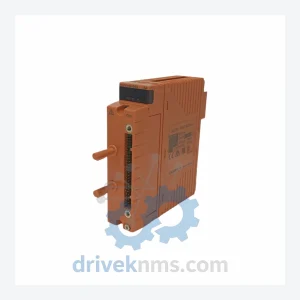
Yokogawa SDV144-S63/PRP S4 is listed for CENTUM VP RFQ review. Confirm quantity, condition and destination before quotation.
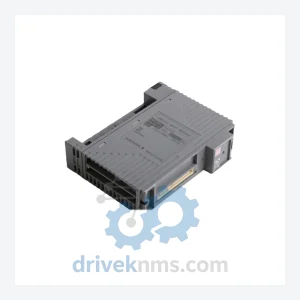
Yokogawa AAI143-H53 S1 is listed for CENTUM VP RFQ review. Confirm quantity, condition and destination before quotation.