
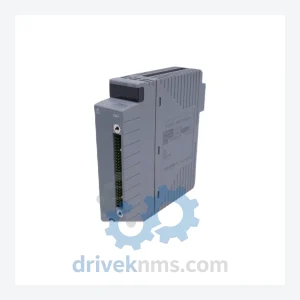
Yokogawa AAR145-S50 Analog Output Module – Obsolete CENTUM CS/CS3000 Spare Part
Yokogawa AAR145-S50 is listed for CENTUM CS/CS3000 RFQ review. Confirm quantity, condition and destination before quotation.
RFQ-ready industrial model
Model: AAM10 S1
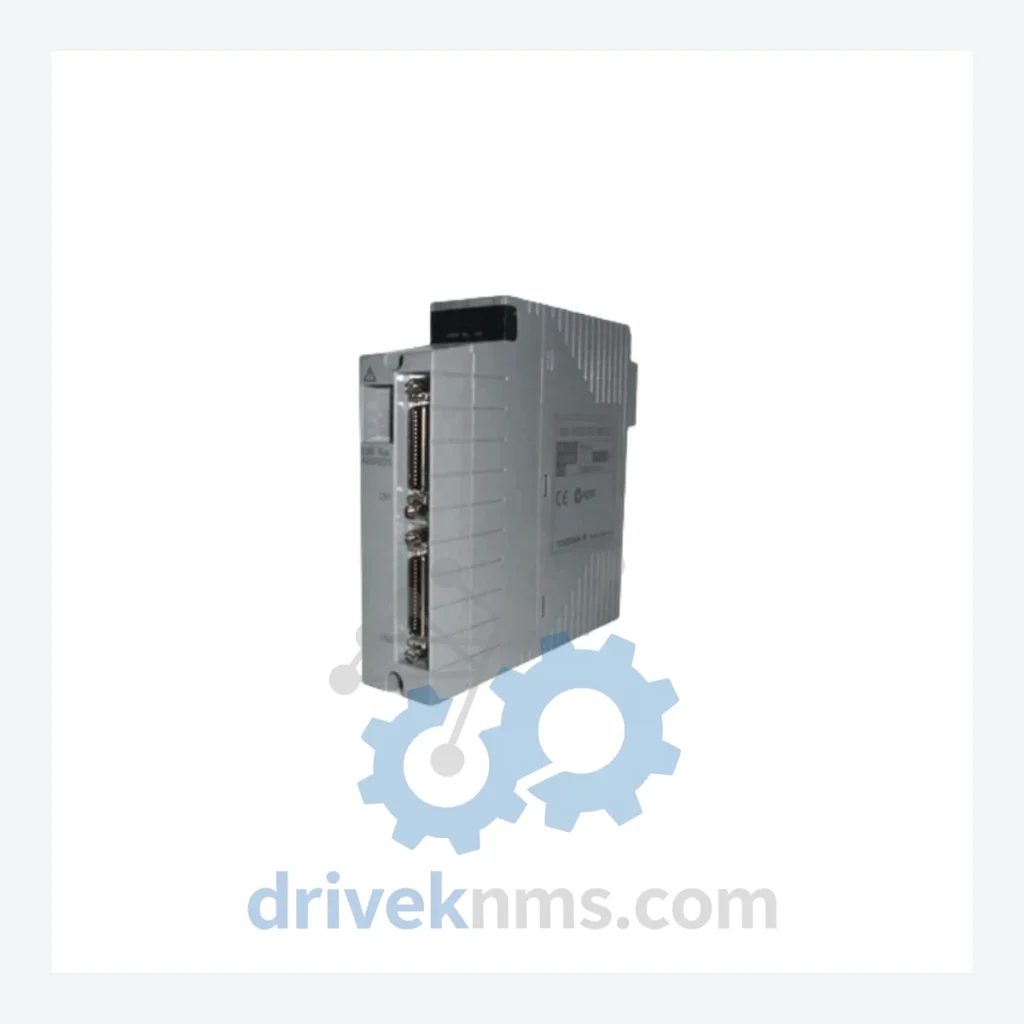
Product Overview
Commercial availability is handled through direct RFQ, model verification and export-oriented follow-up rather than public cart checkout.
Datasheet Preview
Use attached product manuals when available. If the manual is not public yet, request the full file directly through RFQ.
Commercial Path
Product pages on DRIVEKNMS are designed to verify model, brand and series first, then move the buyer into one clean quotation path.
Technical Dossier
The CENTUM CS architecture (circa 1993–1999) introduced Yokogawa's V-net token-ring control bus, operating at 10 Mbps with deterministic cycle times suited to closed-loop regulatory control. Field Control Stations (FCS) communicated with Engineering Workstations (EWS) and Operator Stations (OPS) over this proprietary network layer. I/O modules in this generation used a parallel backplane bus with node addresses set via physical DIP switches on each module.
CENTUM CS3000 (released 1998, mainstream through ~2012) retained V-net compatibility while introducing Vnet/IP — an Ethernet-based control network operating over standard 100BASE-TX infrastructure — enabling larger node counts and integration with Yokogawa's ProSafe-RS safety instrumented system. The CS3000 I/O subsystem standardized on the RIO (Remote I/O) and FIO (Field I/O) bus architectures, with modules communicating over a high-speed serial backplane. The AAM10 S1 analog input module belongs to this generation's standard I/O catalog.
Compatibility note: CS3000 R3.x and later firmware revisions introduced module type codes (S1, S2, S3 suffixes) to distinguish hardware revisions with differing channel counts, isolation specifications, or firmware compatibility requirements. Substituting an S2 for an S1 variant without verifying the FCS node configuration file will result in a module type mismatch alarm. Always cross-reference the FCS builder project file before ordering replacement modules.
The successor platform, CENTUM VP (introduced 2008), maintains backward I/O compatibility with CS3000 FIO modules in most configurations, extending the serviceable life of CS3000-era I/O inventory into VP-based expansions.
The following SKUs represent verified components within the CENTUM CS and CS3000 I/O and control module catalog. Each entry reflects a distinct hardware function within the FCS node architecture.
Analog Input Modules (AI)
Analog Output Modules (AO)
Digital Input Modules (DI)
Digital Output Modules (DO)
Communication & CPU Modules
Power Supply Modules
Yokogawa officially transitioned CENTUM CS3000 to the limited support phase in 2016 and discontinued standard repair services for first-generation CENTUM CS hardware prior to that. For facilities operating CS or CS3000 FCS nodes beyond the manufacturer's support window, sourcing replacement I/O modules — including the AAM10 S1 — from the secondary market is the primary strategy for maintaining process continuity without a full DCS migration.
CENTUM CS/CS3000 I/O modules present specific test challenges due to their backplane-dependent communication architecture. Modules cannot be fully validated using bench power alone; functional verification requires a live FCS backplane environment or a dedicated test rig that emulates the CS3000 serial I/O bus protocol.
DriveKNMS operates a CS3000 test station configured with a representative FCS node running CS3000 R3.08 firmware. Each module processed through our facility undergoes the following verification sequence:
Continue The Model Path
Move from this exact model into the matching system hub, brand archive, model-family archive or lifecycle sourcing route before sending a final RFQ list.
Related Paths
Yokogawa AAR145-S50 is listed for CENTUM CS/CS3000 RFQ review. Confirm quantity, condition and destination before quotation.
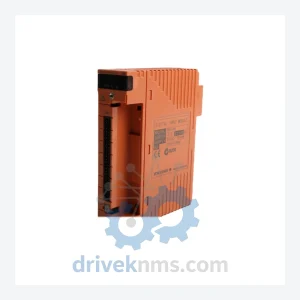
Yokogawa SDV144-S13 S1 is listed for CENTUM CS/CS3000 RFQ review. Confirm quantity, condition and destination before quotation.
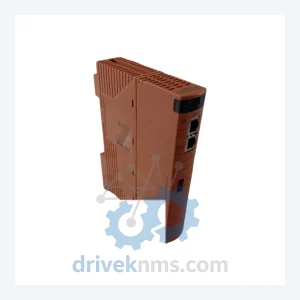
Yokogawa SCP461-E1 S2 is listed for CENTUM CS/CS3000 RFQ review. Confirm quantity, condition and destination before quotation.