
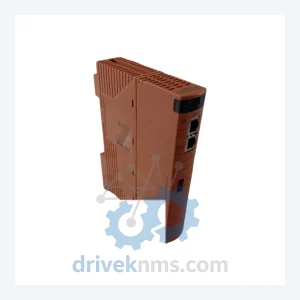
Yokogawa SCP461-E1 S2 Smart Control Processor – Obsolete CENTUM CS/CS3000 Spare Part
Yokogawa SCP461-E1 S2 is listed for CENTUM CS/CS3000 RFQ review. Confirm quantity, condition and destination before quotation.
RFQ-ready industrial model
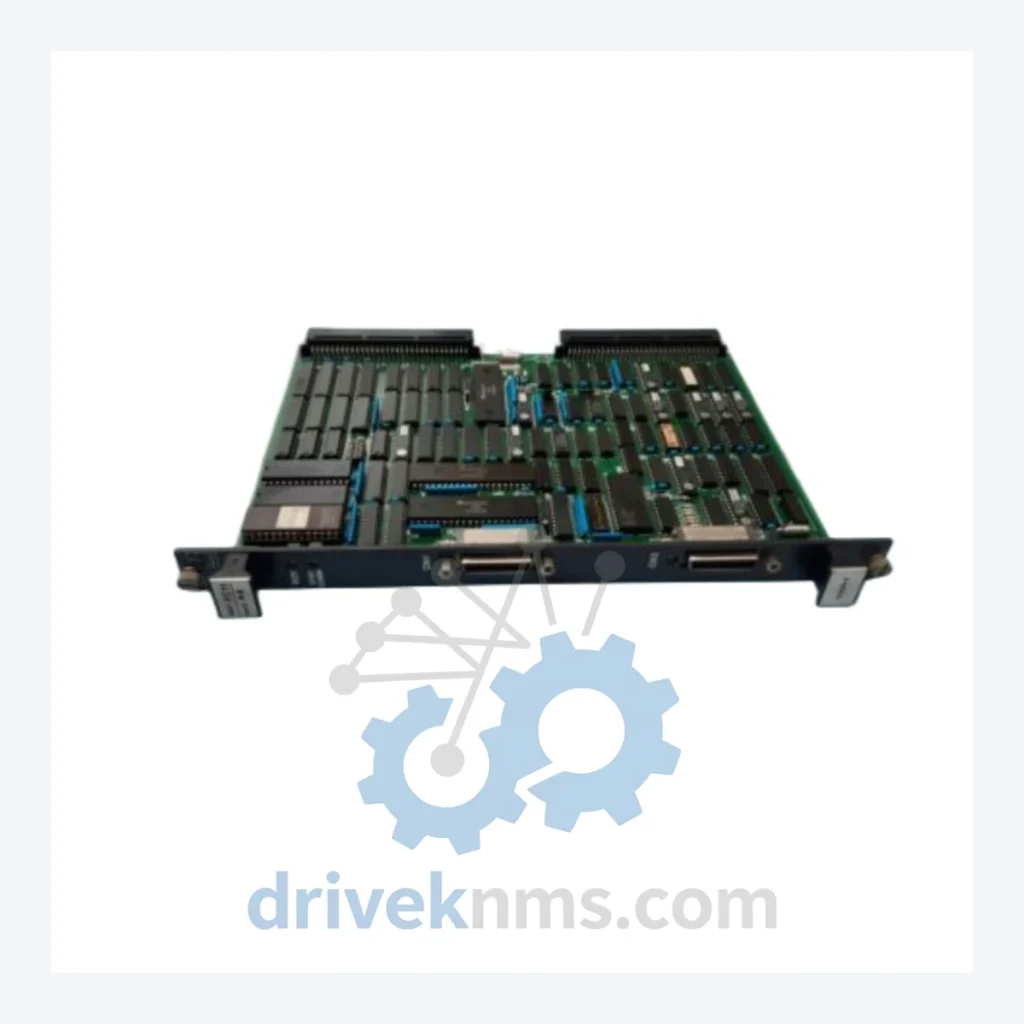
Model: FC11*A AS S9051BE-0
Product Overview
Commercial availability is handled through direct RFQ, model verification and export-oriented follow-up rather than public cart checkout.
Datasheet Preview
Use attached product manuals when available. If the manual is not public yet, request the full file directly through RFQ.
Commercial Path
Product pages on DRIVEKNMS are designed to verify model, brand and series first, then move the buyer into one clean quotation path.
Technical Dossier
The Yokogawa CENTUM CS and CENTUM CS3000 distributed control systems represent one of the most widely deployed DCS platforms in global heavy industry. Installed across petrochemical complexes, nuclear power facilities, LNG terminals, crude oil refineries, and continuous-process chemical plants, the CENTUM CS/CS3000 architecture has maintained a dominant installed base since its introduction in the mid-1990s. The Field Control Station (FCS) subsystem — of which the FC11 card family is a core component — handles real-time process control loops, I/O scanning, and inter-station communication via the V-net/R bus. The FC11*A AS S9051BE-0 is a duplex-capable control card designed for high-availability FCS configurations where redundant processing is mandatory. Its deployment in safety-critical environments makes long-term spare parts availability a primary operational concern for plant maintenance engineers.
Yokogawa introduced the CENTUM CS platform in 1993 as a successor to the CENTUM-XL series, transitioning from proprietary bus architectures to a more modular, rack-based FCS design. The original CENTUM CS used the V-net communication bus operating at 10 Mbps for inter-station data exchange. The CENTUM CS3000 (released 1998) extended this architecture with enhanced CPU processing speed, expanded I/O capacity per FCS node, and improved redundancy management for both the control processor and the I/O bus.
The FC11 card family spans both generations. Early FC11 variants operated under the original CS firmware baseline; later revisions (including the S9051BE-0 suffix designation) reflect hardware ECO (Engineering Change Order) levels that address specific compatibility requirements with CS3000 R3.x and R4.x software releases. Plants running mixed CS/CS3000 environments must verify suffix compatibility before substituting cards. The CENTUM VP platform (introduced 2008) is the current-generation successor; however, CENTUM CS3000 systems remain in active production service at thousands of sites globally, and Yokogawa's extended lifecycle support program does not guarantee hardware availability beyond defined end-of-service dates — making third-party sourcing essential for ongoing maintenance.
The following SKUs represent verified components within the Yokogawa CENTUM CS and CS3000 FCS and HIS subsystems. Each entry reflects a distinct hardware function within the system architecture.
Control Processor & FCS Cards
Analog Input (AI) Modules
Analog Output (AO) Modules
Digital Input (DI) Modules
Digital Output (DO) Modules
Communication & Bus Adapters
Power Supply Modules
Yokogawa officially transitioned CENTUM CS3000 to a limited support status as the CENTUM VP platform became the standard replacement architecture. For plants that have not undergone a full DCS migration — a capital-intensive project typically requiring 18–36 months of planning and execution — maintaining a reliable supply of CS3000 hardware is operationally non-negotiable.
CENTUM CS/CS3000 control cards and I/O modules operate within a tightly coupled backplane and V-net bus environment. Standard visual inspection and power-on testing are insufficient for validating functional integrity of these components. DriveKNMS applies a structured test protocol specific to the CENTUM CS/CS3000 hardware platform:
Continue The Model Path
Move from this exact model into the matching system hub, brand archive, model-family archive or lifecycle sourcing route before sending a final RFQ list.
Related Paths
Yokogawa SCP461-E1 S2 is listed for CENTUM CS/CS3000 RFQ review. Confirm quantity, condition and destination before quotation.
Yokogawa SDV144-S13 S1 is listed for CENTUM CS/CS3000 RFQ review. Confirm quantity, condition and destination before quotation.
Yokogawa PW441-11 S2 is listed for CENTUM CS/CS3000 RFQ review. Confirm quantity, condition and destination before quotation.