
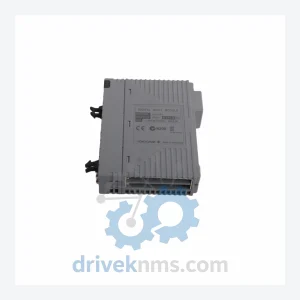
Yokogawa ADV161-P50 S2 Digital Input Module – Obsolete CENTUM VP Spare Part
Yokogawa ADV161-P50 S2 is listed for CENTUM VP RFQ review. Confirm quantity, condition and destination before quotation.
RFQ-ready industrial model
Model: AAT141-S03 S2
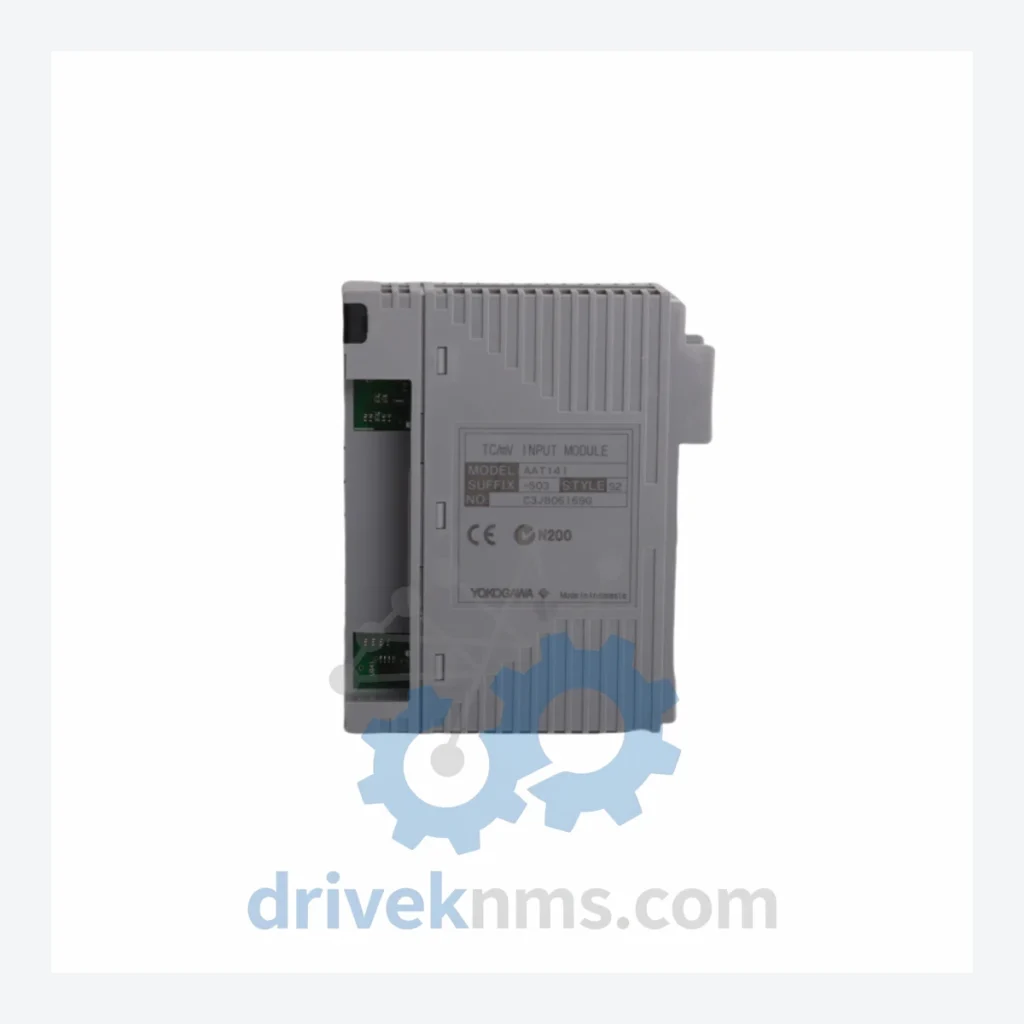
Product Overview
Commercial availability is handled through direct RFQ, model verification and export-oriented follow-up rather than public cart checkout.
Datasheet Preview
Use attached product manuals when available. If the manual is not public yet, request the full file directly through RFQ.
Commercial Path
Product pages on DRIVEKNMS are designed to verify model, brand and series first, then move the buyer into one clean quotation path.
Technical Dossier
RFQ support for obsolete parts: Send the model number, required quantity and destination so DriveKNMS can confirm sourcing options before quotation.
Note: Electrical parameters such as input range, channel count, and power consumption are not published here to avoid inaccuracy. Please contact us with your system documentation for cross-reference verification.
The Yokogawa CENTUM platform was engineered for multi-decade service life, and many facilities made capital investment decisions on exactly that premise. The AAT141-S03 is a field-proven I/O module that integrates directly into the CENTUM bus architecture without requiring software reconfiguration or controller-level changes. When this module is no longer obtainable, plant engineers face a binary choice: locate a verified spare, or commit to a system-wide upgrade that the capital budget may not support and the production schedule cannot accommodate.
Facilities running CENTUM CS or CENTUM-XL in refining, petrochemical, pulp and paper, and power generation applications have found that maintaining a strategic inventory of critical I/O modules — including the AAT141-S03 — is the most cost-effective method of protecting a multi-million-dollar automation asset. A single unplanned shutdown in a continuous process environment can erase years of maintenance savings. The math is straightforward: the cost of holding one or two verified spare modules is negligible compared to the cost of a 48-hour production halt.
DriveKNMS specializes in sourcing discontinued Yokogawa components through verified industrial channels. Our inventory is not sourced from consumer surplus markets. Each unit passes through a documented inspection process before it leaves our facility.
For operations managers and maintenance engineers facing pressure to retire aging DCS infrastructure, the following approach has been validated across multiple industrial sites:
This strategy has allowed facilities to defer DCS migration projects by five to ten years while maintaining process reliability — a defensible position when presenting maintenance budgets to senior management.
Sourcing obsolete industrial electronics carries inherent risk. DriveKNMS applies a five-step inspection protocol to every AAT141-S03 unit before dispatch review:
Units that do not pass all five steps are not offered for sale. Condition is clearly stated on each order confirmation.
Q: How do I confirm the unit is genuine and not a counterfeit?
A: All units are sourced through documented industrial channels. We provide photographs of the actual unit, including label, PCB markings, and hardware revision suffix, prior to shipment upon request. We do not source from unverified consumer surplus platforms.
Q: Can you source other discontinued Yokogawa CENTUM modules?
A: Yes. DriveKNMS maintains sourcing relationships for a broad range of discontinued Yokogawa components. Contact us with your part numbers and we will advise on availability.
Continue The Model Path
Move from this exact model into the matching system hub, brand archive, model-family archive or lifecycle sourcing route before sending a final RFQ list.
Related Paths
Yokogawa ADV161-P50 S2 is listed for CENTUM VP RFQ review. Confirm quantity, condition and destination before quotation.
Yokogawa K9634DA-01 is listed for Servo Drives RFQ review. Confirm quantity, condition and destination before quotation.
Yokogawa S9332AL-0 S9330AL-03 is listed for Servo Drives RFQ review. Confirm quantity, condition and destination before quotation.