
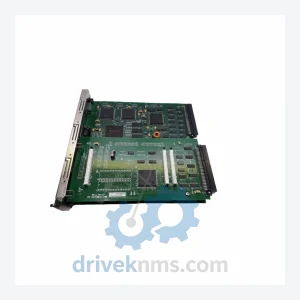
Yokogawa S9943AL Circuit Board – Obsolete CENTUM Series Spare Part
Yokogawa S9943AL S9943AL-0 is listed for CENTUM Series RFQ review. Confirm quantity, condition and destination before quotation.
RFQ-ready industrial model
Model: ADM12 S2
Product Overview
Commercial availability is handled through direct RFQ, model verification and export-oriented follow-up rather than public cart checkout.
Datasheet Preview
Use attached product manuals when available. If the manual is not public yet, request the full file directly through RFQ.
Commercial Path
Product pages on DRIVEKNMS are designed to verify model, brand and series first, then move the buyer into one clean quotation path.
Technical Dossier
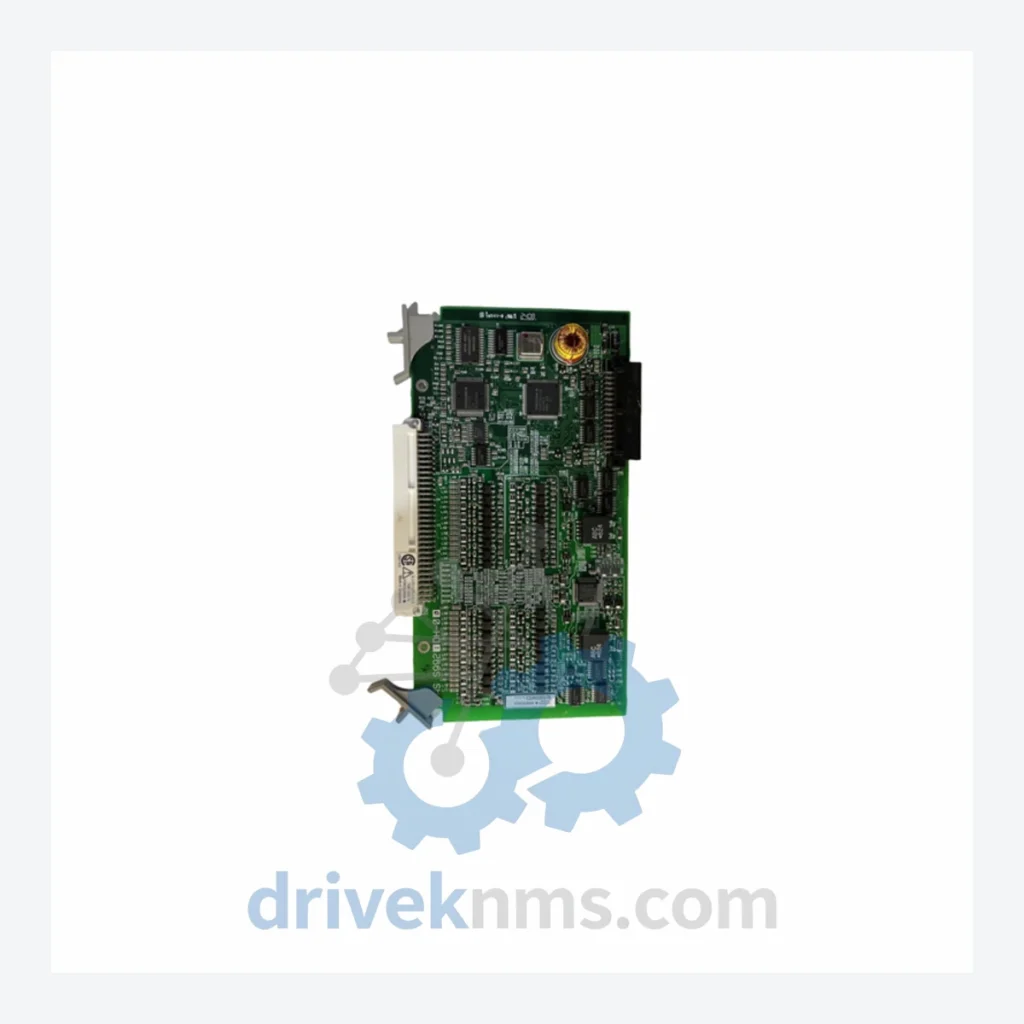
When a YOKOGAWA ADM12 S2 Current Output I/O Card fails inside a CENTUM-series Distributed Control System, the consequences are not limited to a single loop going offline. In integrated process control environments — refineries, chemical plants, power generation facilities — the loss of a current output I/O module can cascade into a full unit shutdown. The cost of an unplanned production halt in these industries routinely exceeds six figures per day. The alternative that many plant managers face is a forced system migration: ripping out a proven, stable DCS architecture and replacing it with a modern platform that requires new engineering, new operator training, new wiring infrastructure, and months of commissioning time. That migration bill frequently runs into the millions.
DriveKNMS reviews sourcing options for this model through RFQ handling before quotation.
RFQ support for obsolete parts: Send the model number, required quantity and destination so DriveKNMS can confirm sourcing options before quotation.
Note: Electrical parameters beyond those listed above are not independently verified by DriveKNMS. Buyers are advised to cross-reference with original YOKOGAWA engineering documentation for their specific system revision.
The YOKOGAWA CENTUM platform represents decades of process control engineering. Plants that commissioned CENTUM-XL or CENTUM CS systems in the 1990s and early 2000s built their operational logic, alarm management, and safety interlocks around the specific I/O architecture of that generation. The ADM12 S2 is a current output card embedded in that architecture — it translates digital control commands from the DCS processor into the 4–20 mA signals that drive control valves, variable speed drives, and other final control elements in the field.
YOKOGAWA ceased production of the ADM12 S2 as part of its transition to the CENTUM VP platform. The problem for plant operators is that a hardware generation change does not automatically justify a full system replacement. A CENTUM CS installation that is performing reliably, whose operators know it intimately, and whose maintenance team has accumulated years of institutional knowledge, represents an asset — not a liability. The liability is the assumption that replacement is the only option when a card fails.
Sourcing a verified ADM12 S2 replacement card is the lowest-cost, lowest-risk path to restoring full system functionality. It eliminates re-engineering, preserves existing I/O wiring, and keeps the control narrative intact. For plants operating under tight capital budgets or facing regulatory constraints on system changes, this is not a workaround — it is the correct engineering decision.
How to extend your CENTUM system asset life by 5–10 years:
Every ADM12 S2 unit shipped by DriveKNMS passes a structured 5-step quality process before it leaves our facility:
Units that do not pass all five stages are not shipped. They are either further refurbished or removed from inventory.
How do I know the unit is genuine and not counterfeit?
All units are sourced through verified industrial surplus channels and inspected against known-good reference units. YOKOGAWA part markings, PCB revision codes, and date codes are checked as part of the intake process. We do not source from unverified brokers.
How should I plan long-term spare parts coverage for my CENTUM system?
We recommend a minimum of two spare units per critical card type for any plant operating a single CENTUM system, and proportionally more for multi-unit installations. The secondary market for CENTUM-generation I/O cards is finite and shrinking. Procurement decisions made today directly determine your options five years from now.
Continue The Model Path
Move from this exact model into the matching system hub, brand archive, model-family archive or lifecycle sourcing route before sending a final RFQ list.
Related Paths
Yokogawa S9943AL S9943AL-0 is listed for CENTUM Series RFQ review. Confirm quantity, condition and destination before quotation.
Yokogawa AMM52 S2 is listed for CENTUM Series RFQ review. Confirm quantity, condition and destination before quotation.
Yokogawa ADM12T S2 is listed for CENTUM Series RFQ review. Confirm quantity, condition and destination before quotation.