
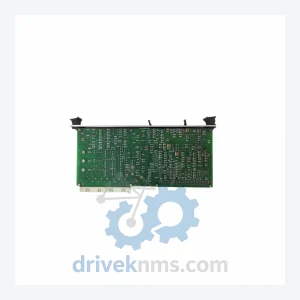
Yokogawa K9634DA-01 TCD Card Modules
Yokogawa K9634DA-01 is listed for Servo Drives RFQ review. Confirm quantity, condition and destination before quotation.
RFQ-ready industrial model
Model: ADV151-P60
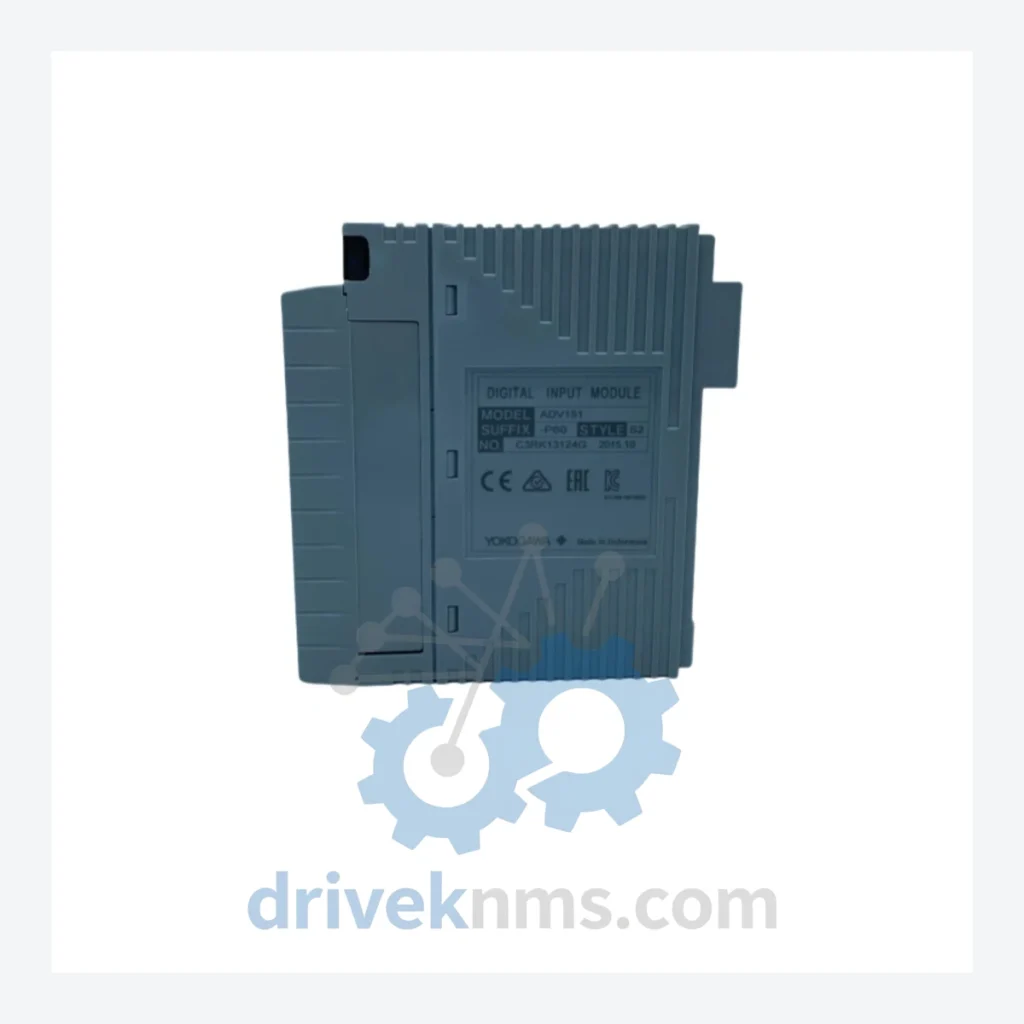
Product Overview
Commercial availability is handled through direct RFQ, model verification and export-oriented follow-up rather than public cart checkout.
Datasheet Preview
Use attached product manuals when available. If the manual is not public yet, request the full file directly through RFQ.
Commercial Path
Product pages on DRIVEKNMS are designed to verify model, brand and series first, then move the buyer into one clean quotation path.
Technical Dossier
DriveKNMS reviews sourcing options for this model during RFQ handling before quotation.
RFQ support for obsolete parts: Send the model number, required quantity and destination so DriveKNMS can confirm sourcing options before quotation.
| Parameter | Detail |
|---|---|
| Manufacturer | Yokogawa Electric Corporation |
| Part Number | ADV151-P60 |
| Module Type | Digital Input (DI) Module |
| Compatible Systems | Yokogawa CENTUM CS 3000, CENTUM VP |
| Country of Origin | Japan |
| Product Status | Discontinued / Obsolete – No longer manufactured by Yokogawa |
| Condition Available | New surplus / Professionally refurbished |
Note: Electrical parameters such as channel count, input voltage range, and isolation specifications are not published here to avoid inaccuracy. Please contact us for a verified datasheet.
The Yokogawa CENTUM CS 3000 and CENTUM VP platforms have been the backbone of process automation in refining, petrochemical, power generation, and pharmaceutical facilities across Asia, the Middle East, and Europe for over two decades. Yokogawa has progressively moved its support focus toward CENTUM VP R6 and the newer FAST/TOOLS ecosystem, leaving older I/O modules like the ADV151-P60 without active production runs.
The ADV151-P60 is not a generic card that can be substituted with off-the-shelf hardware. Its firmware, backplane communication protocol, and field wiring termination are tightly coupled to the CENTUM I/O bus architecture. There is no cross-brand equivalent. When this module reaches end of life in the field, the only alternatives are: (1) locate a verified spare, (2) replace the entire I/O nest — which requires re-engineering, re-wiring, and re-commissioning — or (3) initiate a full DCS migration.
For plant managers operating facilities built around CENTUM CS 3000 infrastructure, the calculus is straightforward. A single ADV151-P60 spare, properly stored and tested, can defer a multi-million-dollar capital project by 5 to 10 years. That deferral window allows production revenue to continue, capital budgets to be allocated strategically, and migration projects to be planned on the plant's schedule rather than forced by an emergency failure.
Obsolete modules sourced from secondary markets carry real risks: electrolytic capacitor degradation, firmware version mismatches, pin corrosion from improper storage, and counterfeit assemblies. DriveKNMS applies a 5-step QA protocol to every ADV151-P60 unit before it is offered for sale.
Step 1 – Visual and Physical Inspection: Full board inspection under magnification. All connectors, backplane pins, and PCB traces are examined for corrosion, mechanical damage, and solder joint integrity.
Step 2 – Electrolytic Capacitor Assessment: Capacitors are the primary failure point in aged electronics. Each unit is assessed for capacitor bulging, leakage, and ESR deviation. Units with degraded capacitors are either recapped with equivalent-spec components or rejected.
Step 3 – Firmware Version Verification: The installed firmware revision is read and documented. Customers are advised to confirm compatibility with their running CENTUM system version before installation.
Step 4 – Pin and Connector Integrity Check: All backplane connector pins are cleaned, inspected for oxidation, and tested for continuity. Field terminal blocks are verified for mechanical integrity.
Step 5 – Functional Burn-in Test: Where test infrastructure permits, modules undergo a powered operational test to confirm basic I/O response before dispatch review.
The ADV151-P60 is a direct drop-in replacement for the same part number within the CENTUM I/O architecture. No re-engineering of the control strategy is required. No re-programming of function blocks. No modification to field wiring. The module slots into the existing I/O nest, the system recognizes it on the CENTUM bus, and the process loop resumes operation.
This matters operationally. Every hour spent on engineering rework during an unplanned outage is an hour of lost production. A verified, firmware-matched ADV151-P60 spare eliminates that rework entirely. It also eliminates the risk of introducing configuration errors during a high-pressure recovery situation. For maintenance teams managing aging CENTUM systems, the ADV151-P60 spare is the lowest-cost, lowest-risk path to restoring normal operation after a module failure.
Q: How do I confirm the unit is genuine and not counterfeit?
A: All units are supplied with documentation of origin where available. Yokogawa-branded labeling, PCB markings, and component date codes are verified during our QA process. We do not source from unverified brokers.
Q: Should I buy more than one unit?
A: For any CENTUM system still in active production service, holding a minimum of two ADV151-P60 spares is a defensible maintenance strategy. The cost of a second spare is negligible relative to the cost of a second emergency sourcing event — particularly as global inventory of this module continues to decline.
Continue The Model Path
Move from this exact model into the matching system hub, brand archive, model-family archive or lifecycle sourcing route before sending a final RFQ list.
Related Paths
Yokogawa K9634DA-01 is listed for Servo Drives RFQ review. Confirm quantity, condition and destination before quotation.
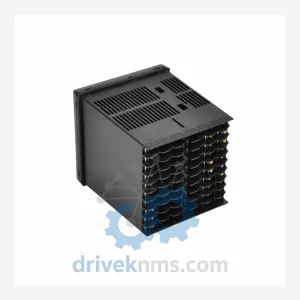
Yokogawa UT350 UT350-01 is listed for Servo Drives RFQ review. Confirm quantity, condition and destination before quotation.
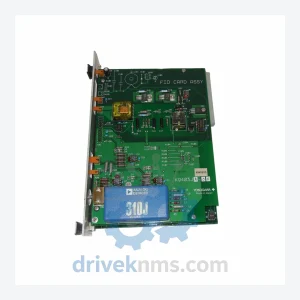
Yokogawa K9403JA-02 is listed for Servo Drives RFQ review. Confirm quantity, condition and destination before quotation.