
YOKOGAWA STARDOM / CENTUM Series Analog Input Modules: AAM10
Yokogawa AAM10 is listed for STARDOM RFQ review. Confirm quantity, condition and destination before quotation.
RFQ-ready industrial model
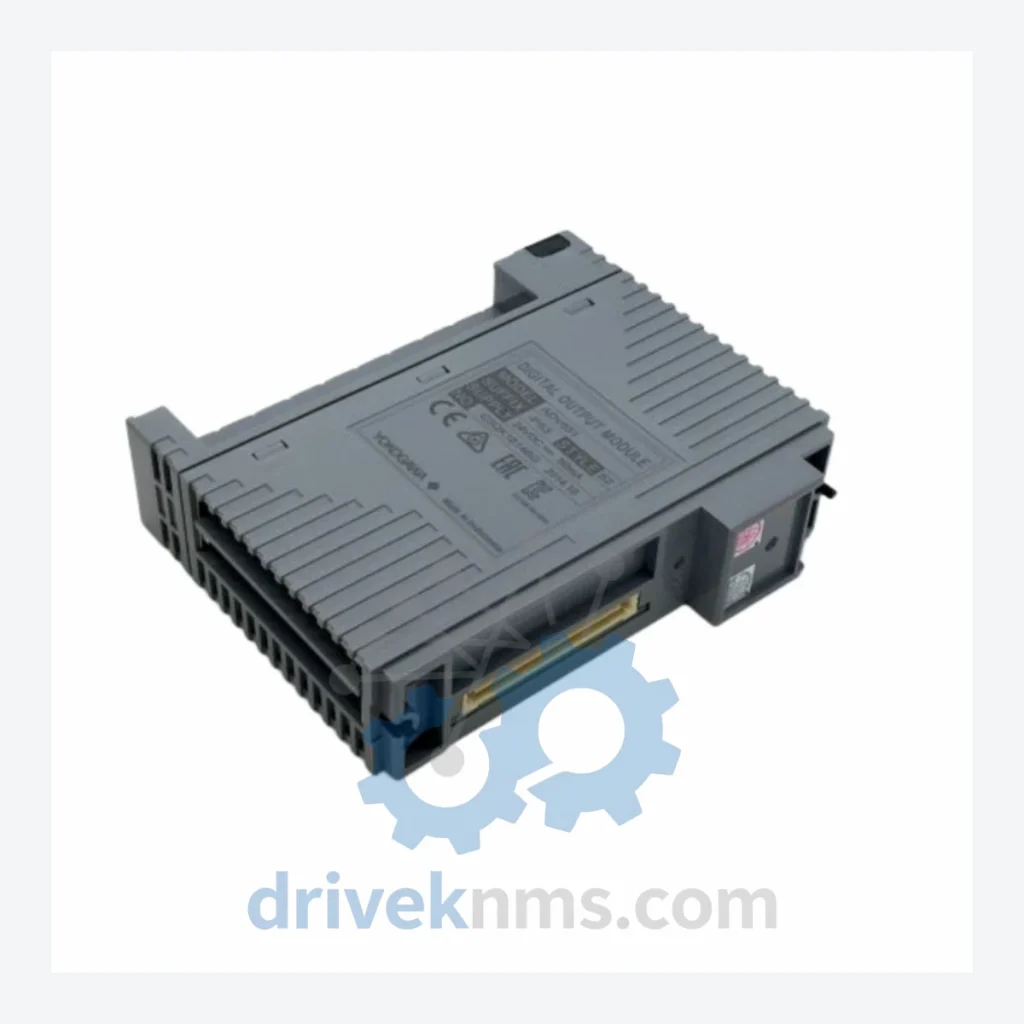
Model: ADV551-P53 S2
Product Overview
Commercial availability is handled through direct RFQ, model verification and export-oriented follow-up rather than public cart checkout.
Datasheet Preview
Use attached product manuals when available. If the manual is not public yet, request the full file directly through RFQ.
Commercial Path
Product pages on DRIVEKNMS are designed to verify model, brand and series first, then move the buyer into one clean quotation path.
Technical Dossier
RFQ support for obsolete parts: Send the model number, required quantity and destination so DriveKNMS can confirm sourcing options before quotation.
| Manufacturer | Yokogawa Electric Corporation |
|---|---|
| Part Number | ADV551-P53/S2 |
| Module Type | Analog Input Module |
| Compatible Systems | CENTUM CS 3000, CENTUM VP |
| Country of Origin | Japan |
| Discontinuation Status | Discontinued / End-of-Life by Yokogawa. Replacement parts sourced from verified secondary market channels. |
Note: Electrical parameters for this module are system-configuration dependent. DriveKNMS does not publish unverified specifications. Contact us with your system documentation for a precise compatibility confirmation.
The CENTUM CS 3000 and CENTUM VP platforms represent decades of process control investment. Instrumentation loops, alarm philosophies, historian integrations, and operator interfaces are all built around the I/O architecture these modules define. The ADV551-P53/S2 sits at the field interface layer — it is the point where physical process signals enter the control domain. There is no software patch that substitutes for a failed hardware module at this layer.
Yokogawa's end-of-life designation for legacy CENTUM hardware does not eliminate the installed base. It eliminates the manufacturer's obligation to supply parts. Facilities operating these systems are left to manage their own spare parts inventory or accept the risk of an unplanned outage with no fast resolution path. The secondary market for verified, tested legacy Yokogawa modules exists precisely because the operational risk of running without spares is not acceptable to plant management teams who understand their asset base.
Extending the productive life of a CENTUM CS 3000 or VP system by five to ten years through disciplined spare parts management is a documented, cost-effective strategy. The capital cost of maintaining a critical spare — even at secondary market pricing — is a fraction of the engineering cost to migrate a single control loop to a new platform, let alone an entire system. For facilities with 500 to 5,000 I/O points on legacy Yokogawa hardware, the arithmetic is straightforward: a managed spares program protects the asset; an unmanaged one transfers the risk to operations.
DriveKNMS applies a five-step quality process to all discontinued modules before they are offered for sale:
Avoiding a forced platform migration preserves the existing operator interface, alarm management structure, and historian data continuity. These are not trivial considerations. Retraining operators on a new DCS platform, revalidating control strategies, and re-establishing historian connectivity each carry their own project cost and schedule risk. A verified spare module eliminates all of that exposure for the duration of the asset's planned operational life.
How do I confirm the unit is genuine and not counterfeit?
All Yokogawa modules sourced by DriveKNMS are inspected for manufacturer markings, label integrity, and board construction consistency. We do not source from unverified brokers. Customers may request inspection photos and documentation prior to purchase.
Can you source other CENTUM CS 3000 or VP modules?
Yes. DriveKNMS specializes in legacy Yokogawa hardware across the CENTUM platform family. Contact us with your full bill of materials for a consolidated sourcing assessment.
Continue The Model Path
Move from this exact model into the matching system hub, brand archive, model-family archive or lifecycle sourcing route before sending a final RFQ list.
Related Paths
Yokogawa AAM10 is listed for STARDOM RFQ review. Confirm quantity, condition and destination before quotation.
Yokogawa AAI141-S00 is listed for CENTUM VP RFQ review. Confirm quantity, condition and destination before quotation.
Yokogawa AAM50 is listed for CENTUM VP RFQ review. Confirm quantity, condition and destination before quotation.