
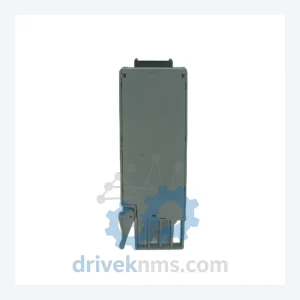
Yokogawa AAM50 Current Output Module – CENTUM VP Series
Yokogawa AAM50 is listed for CENTUM VP RFQ review. Confirm quantity, condition and destination before quotation.
RFQ-ready industrial model
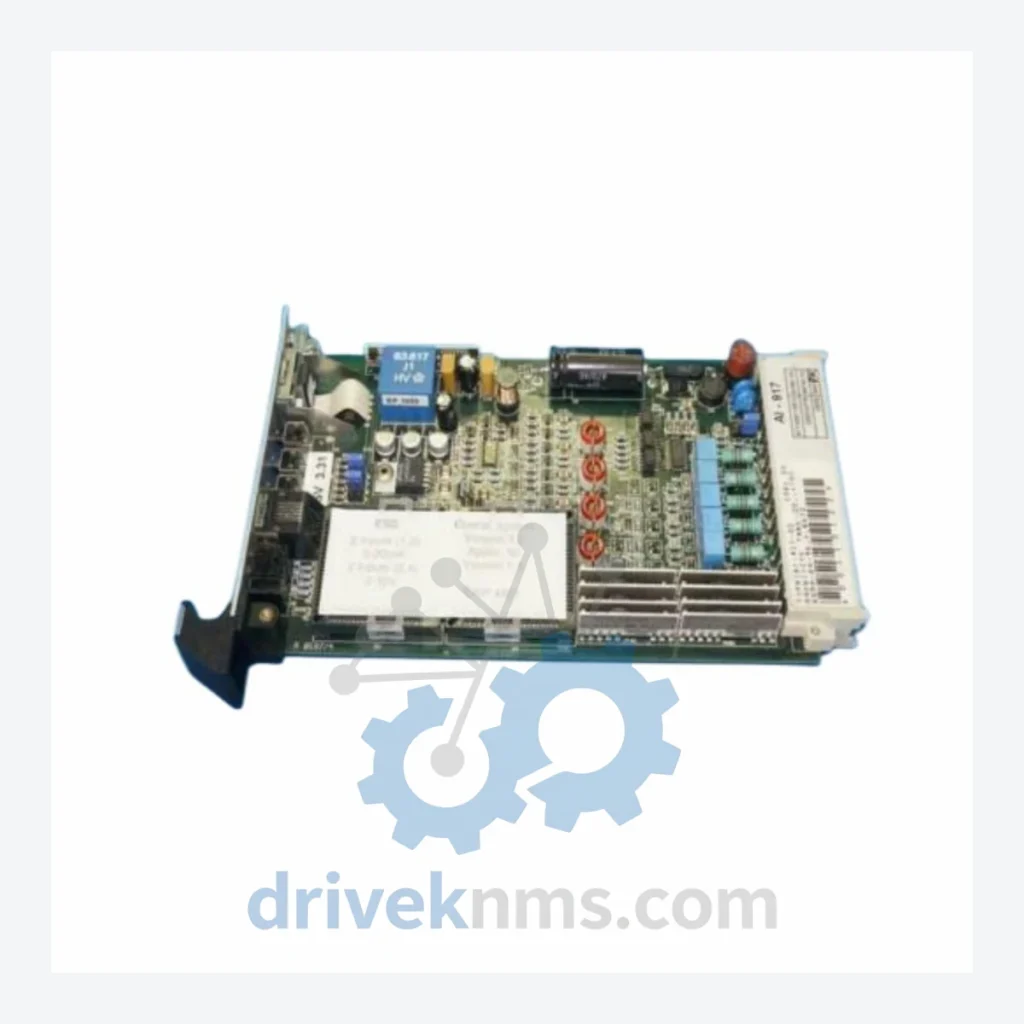
Model: AI-917-00
Product Overview
Commercial availability is handled through direct RFQ, model verification and export-oriented follow-up rather than public cart checkout.
Datasheet Preview
Use attached product manuals when available. If the manual is not public yet, request the full file directly through RFQ.
Commercial Path
Product pages on DRIVEKNMS are designed to verify model, brand and series first, then move the buyer into one clean quotation path.
Technical Dossier
When a Yokogawa AI-917-00 analog input module fails in a running CENTUM-based distributed control system, the consequences extend far beyond a single I/O card. Process engineers and plant managers who have faced this scenario understand the calculation: a forced migration from a legacy CENTUM architecture to a modern DCS platform carries engineering, commissioning, and production-loss costs that routinely exceed seven figures. The AI-917-00 is no longer manufactured. Yokogawa has discontinued this module as part of the broader CENTUM VP and CENTUM CS 3000 hardware lifecycle. Every unit that remains in circulation represents a finite buffer between continued operation and a capital expenditure event your budget was not designed to absorb this fiscal year.
RFQ support for obsolete parts: Send the model number, required quantity and destination so DriveKNMS can confirm sourcing options before quotation.
| Parameter | Detail |
|---|---|
| Part Number | AI-917-00 |
| Manufacturer | Yokogawa Electric Corporation |
| Module Type | Analog Input Module |
| Compatible Platform | Yokogawa CENTUM Series (CENTUM CS, CENTUM CS 3000, CENTUM VP legacy hardware) |
| Country of Origin | Japan |
| Product Status | Discontinued / Obsolete – No longer in production |
| Replacement Availability | No direct OEM drop-in replacement available from Yokogawa |
Note: Electrical parameters such as input range, channel count, and signal type are not published here to avoid inaccuracy. Contact us with your system documentation and we will cross-reference against verified technical records before dispatch review.
The Yokogawa CENTUM platform was the backbone of process automation across refining, petrochemical, power generation, and pharmaceutical manufacturing for more than two decades. Plants that commissioned CENTUM CS or CENTUM CS 3000 systems in the 1990s and early 2000s built their entire process control architecture around a specific I/O hardware family. The AI-917-00 sits within that family as an analog input interface — the point at which field transmitters communicate process variables to the controller.
When Yokogawa discontinued this hardware line, it did not eliminate the installed base. It eliminated the supply chain that kept that installed base running. Plants now face a structural problem: the control system itself may have years of useful life remaining, but the availability of critical I/O modules is shrinking with each passing quarter as existing spares are consumed by failures across the global installed base.
The cost of a single unplanned shutdown in a continuous process environment — refinery, chemical plant, power station — typically ranges from tens of thousands to hundreds of thousands of dollars per day in lost production alone, before accounting for restart costs, product quality losses, and regulatory reporting obligations. Against that exposure, the cost of securing a verified spare AI-917-00 is not a maintenance expense. It is asset protection.
For plant managers operating under capital expenditure constraints, the strategic calculus is straightforward: a targeted spare parts program for critical obsolete I/O modules extends the economic life of the existing DCS by 5 to 10 years, deferring a system migration that would otherwise consume engineering resources, require extensive process re-validation, and demand a plant shutdown window that production schedules cannot easily accommodate.
The plants that manage this transition successfully are not the ones that wait for a failure event. They are the ones that identify their single points of failure in the I/O layer — modules like the AI-917-00 — and secure physical inventory before the secondary market is exhausted.
Obsolete hardware sourced from the secondary market carries inherent risk. DriveKNMS applies a structured 5-step quality process to every AI-917-00 unit before it leaves our facility.
Step 1 – Visual and Physical Inspection: Each board is examined under magnification for pin corrosion, connector damage, PCB delamination, and evidence of prior field repair. Units with compromised connectors or visible corrosion on I/O pins are rejected at this stage.
Step 2 – Electrolytic Capacitor Assessment: Aging electrolytic capacitors are the primary failure mode in legacy analog I/O hardware. We inspect for bulging, electrolyte leakage, and ESR deviation. Capacitors showing degradation are flagged and the unit is assessed for recapping before sale.
Step 3 – Firmware and Label Verification: Where accessible, firmware revision markings and hardware revision labels are recorded and cross-referenced against known compatible revisions for the target CENTUM platform. Revision mismatches are disclosed to the buyer before dispatch review.
Step 4 – Functional Bench Test: Units are powered and subjected to signal simulation where test infrastructure permits. Results are documented.
Step 5 – Packaging and ESD Protection: Modules are packed in anti-static bags with rigid protective packaging. Each shipment includes a condition report.
The AI-917-00 is a direct hardware replacement for the same part number within the CENTUM I/O bus architecture. There is no firmware re-flashing required at the module level, no re-engineering of the I/O assignment in the system builder, and no modification to existing field wiring. The module slots into the existing I/O nest and the system recognizes it as the configured device.
This drop-in compatibility is the defining advantage of sourcing the original part number rather than pursuing a third-party I/O adapter or a forced migration to a newer I/O family. Engineering hours for a migration project — hardware design, software re-configuration, factory acceptance testing, site acceptance testing, and commissioning — represent a cost that a verified spare part eliminates entirely. The AI-917-00 keeps your existing system running without touching your control application, your process graphics, or your alarm configuration.
How do I know the unit is genuine and not counterfeit?
All units are sourced from decommissioned plant assets or verified distributor overstock. We do not source from unverified brokers. Hardware revision labels, board markings, and component dates are inspected and documented as part of our QA process. We will share the condition report on request before you commit to purchase.
Continue The Model Path
Move from this exact model into the matching system hub, brand archive, model-family archive or lifecycle sourcing route before sending a final RFQ list.
Related Paths
Yokogawa AAM50 is listed for CENTUM VP RFQ review. Confirm quantity, condition and destination before quotation.
Yokogawa AAM10 is listed for STARDOM RFQ review. Confirm quantity, condition and destination before quotation.
Yokogawa AAI141-S00 is listed for CENTUM VP RFQ review. Confirm quantity, condition and destination before quotation.