
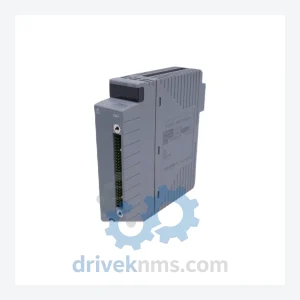
Yokogawa AAR145-S50 Analog Output Module – Obsolete CENTUM CS/CS3000 Spare Part
Yokogawa AAR145-S50 is listed for CENTUM CS/CS3000 RFQ review. Confirm quantity, condition and destination before quotation.
RFQ-ready industrial model
Model: AIP571
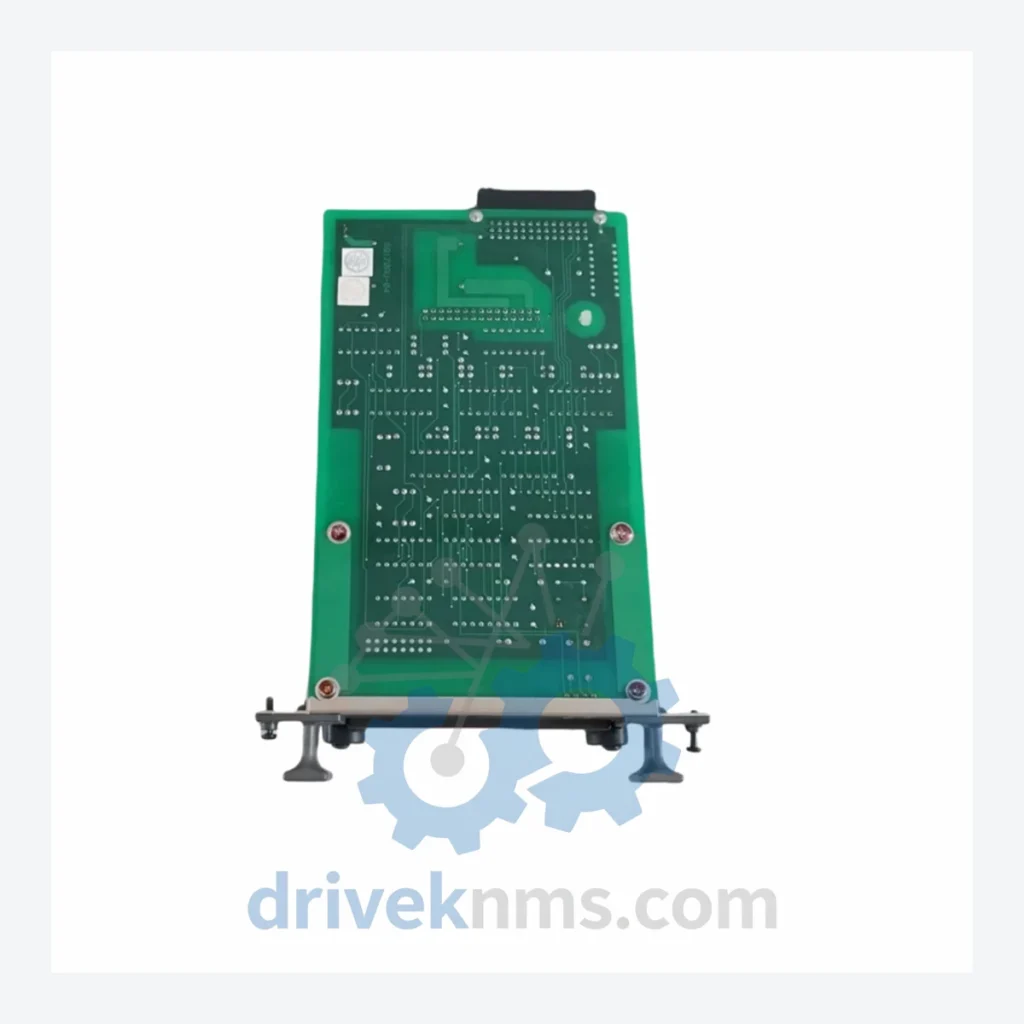
Product Overview
Commercial availability is handled through direct RFQ, model verification and export-oriented follow-up rather than public cart checkout.
Datasheet Preview
Use attached product manuals when available. If the manual is not public yet, request the full file directly through RFQ.
Commercial Path
Product pages on DRIVEKNMS are designed to verify model, brand and series first, then move the buyer into one clean quotation path.
Technical Dossier
If your plant is running CENTUM CS or CS3000 and this module is in your critical path, the time to secure a spare is before the failure occurs — not after.
RFQ support for obsolete parts: Send the model number, required quantity and destination so DriveKNMS can confirm sourcing options before quotation.
Note: Electrical parameters such as channel count, signal type, and power ratings are not published here to avoid inaccuracy. Confirmed specifications are provided upon request with supporting documentation.
The CENTUM CS and CS3000 platforms represent decades of process control investment across petrochemical, power generation, pulp and paper, and pharmaceutical facilities worldwide. Yokogawa's RIO architecture — of which the AIP571 is a core node-level component — was engineered for deterministic, high-availability I/O communication between field instruments and the DCS controller. There is no functionally equivalent drop-in substitute from the current Yokogawa CENTUM VP lineup without hardware and software re-engineering at the RIO bus level.
The risk of sourcing this module from unverified channels is real: counterfeit or improperly stored legacy I/O modules introduce firmware incompatibilities and signal integrity failures that are difficult to diagnose and can cause unplanned shutdowns. DriveKNMS applies a structured qualification process to every unit before it leaves our facility.
Every AIP571 unit shipped by DriveKNMS passes a five-stage qualification protocol developed specifically for discontinued industrial control hardware:
Can you provide a datasheet or system compatibility confirmation?
Yes. Contact us with your CENTUM system version and RIO bus configuration and we will provide compatibility documentation before you commit to purchase.
Continue The Model Path
Move from this exact model into the matching system hub, brand archive, model-family archive or lifecycle sourcing route before sending a final RFQ list.
Related Paths
Yokogawa AAR145-S50 is listed for CENTUM CS/CS3000 RFQ review. Confirm quantity, condition and destination before quotation.
Yokogawa SDV144-S13 S1 is listed for CENTUM CS/CS3000 RFQ review. Confirm quantity, condition and destination before quotation.
Yokogawa SCP461-E1 S2 is listed for CENTUM CS/CS3000 RFQ review. Confirm quantity, condition and destination before quotation.