
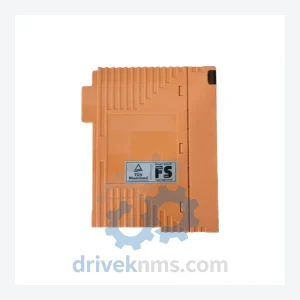
YOKOGAWA SDV531-S33 Digital Valve Positioner – CENTUM Series
Yokogawa SDV531-S33 is listed for CENTUM Series RFQ review. Confirm quantity, condition and destination before quotation.
RFQ-ready industrial model
Model: AMM32 S3
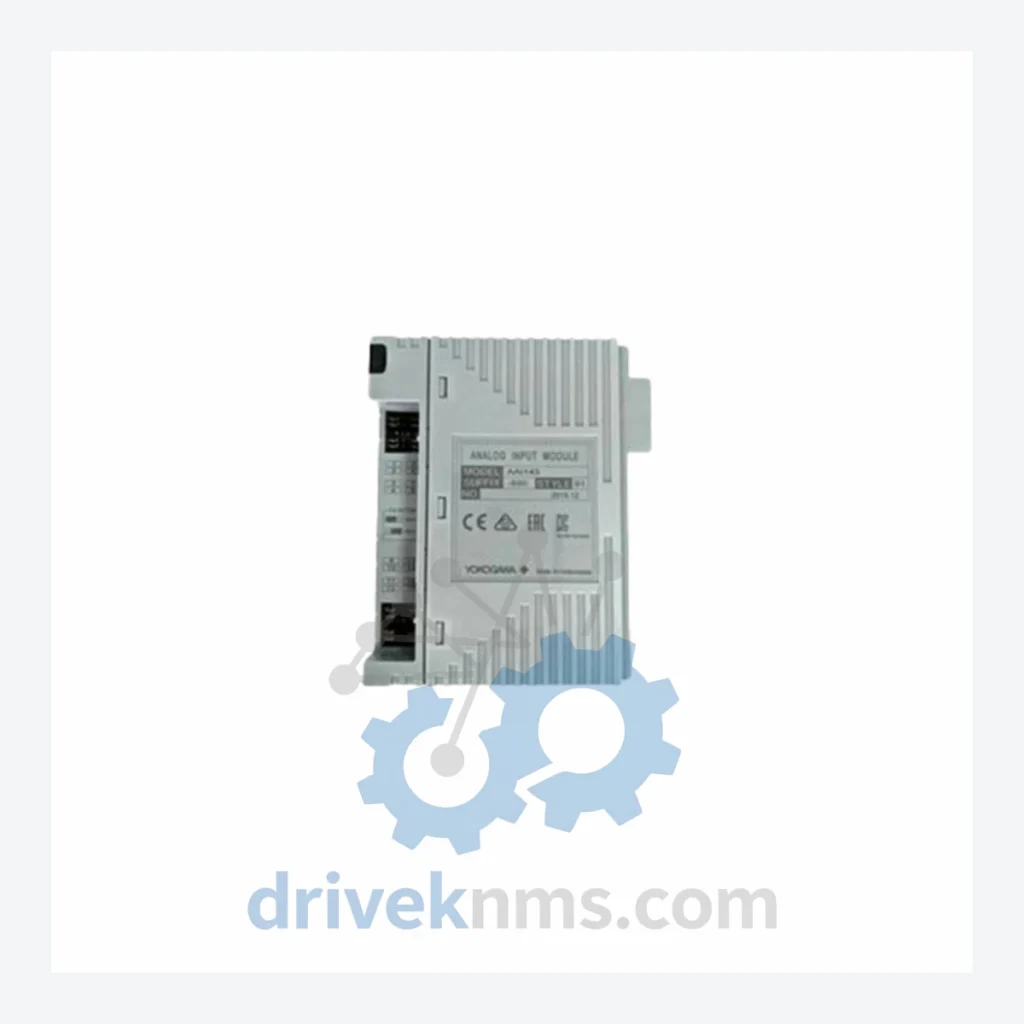
Product Overview
Commercial availability is handled through direct RFQ, model verification and export-oriented follow-up rather than public cart checkout.
Datasheet Preview
Use attached product manuals when available. If the manual is not public yet, request the full file directly through RFQ.
Commercial Path
Product pages on DRIVEKNMS are designed to verify model, brand and series first, then move the buyer into one clean quotation path.
Technical Dossier
When a Yokogawa AMM32 S3 fails in a running CENTUM-based distributed control system, the consequences are not limited to a single I/O channel. In many plant configurations, a single failed digital input module triggers cascading alarm suppression, forces operators into manual override, and—if no replacement is available—compels engineering teams to evaluate a full DCS migration. Conservative estimates place the cost of an unplanned DCS platform migration at USD 2–5 million per production unit, excluding lost output during the transition period. A verified spare AMM32 S3 on the shelf eliminates that risk entirely.
DriveKNMS reviews sourcing options for this model during RFQ handling before quotation.
RFQ support for obsolete parts: Send the model number, required quantity and destination so DriveKNMS can confirm sourcing options before quotation.
| Parameter | Detail |
|---|---|
| Manufacturer | Yokogawa Electric Corporation |
| Part Number | AMM32 S3 |
| Module Type | Analog/Digital Input Module |
| Series | CENTUM (CS/CS3000/VP compatible) |
| Country of Origin | Japan |
| Discontinuation Status | Discontinued – No longer manufactured or supported by OEM |
| Condition Available | New surplus / Professionally refurbished |
Q: How are RFQ terms confirmed?
A: Quantity, required condition, documentation needs, destination and sourcing route are confirmed during RFQ review before quotation.
The Yokogawa CENTUM platform—spanning CS, CS3000, and CENTUM VP generations—has been the backbone of process control in refining, petrochemical, and power generation facilities for over two decades. The AMM32 S3 module occupies a defined slot in that architecture. It is not a generic I/O card that can be substituted with a modern equivalent without engineering intervention.
Yokogawa's official end-of-life notices for legacy CENTUM hardware leave plant operators with three options: source original spare parts, undertake a partial system upgrade (which requires re-engineering of I/O mapping and loop tuning), or execute a full platform migration. The first option—sourcing verified original hardware—is the only path that preserves existing validated configurations, avoids requalification costs, and keeps production running without interruption.
Facilities that have established a strategic spare parts inventory for their CENTUM systems consistently report asset lifespans extended by 7–12 years beyond the OEM's stated support window. The AMM32 S3 is a module that belongs in that inventory.
Every AMM32 S3 unit processed by DriveKNMS passes a structured 5-stage inspection protocol designed specifically for legacy industrial hardware:
The pressure to retire legacy DCS platforms is real, but the timeline is rarely driven by technical necessity alone. In most cases, the decision is forced by a single critical spare part failure with no available replacement. The following approach has been used by maintenance teams across the process industries to defer costly platform migrations by 5–10 years:
Q: How is condition confirmed before quotation?
A: Available condition, photos, test records and documentation are checked according to the requested model and sourcing channel before a formal RFQ response.
Q: How do I verify the unit is genuine Yokogawa and not a counterfeit?
A: All units are supplied with traceable documentation including source records. Physical markings, board revision codes, and component dates are inspected as part of our QA process. We do not source from unverified brokers.
Continue The Model Path
Move from this exact model into the matching system hub, brand archive, model-family archive or lifecycle sourcing route before sending a final RFQ list.
Related Paths
Yokogawa SDV531-S33 is listed for CENTUM Series RFQ review. Confirm quantity, condition and destination before quotation.
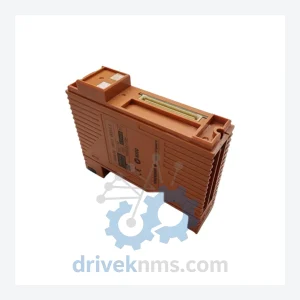
Yokogawa SAI143-H53 S3 is listed for CENTUM Series RFQ review. Confirm quantity, condition and destination before quotation.
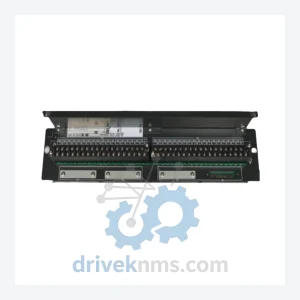
Yokogawa AEA4D is listed for CENTUM Series RFQ review. Confirm quantity, condition and destination before quotation.