
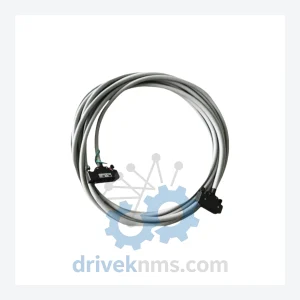
Yokogawa AKB335 Single Cable – Obsolete CENTUM Series Spare Part
Yokogawa AKB335 is listed for CENTUM Series RFQ review. Confirm quantity, condition and destination before quotation.
RFQ-ready industrial model
Model: AMN21
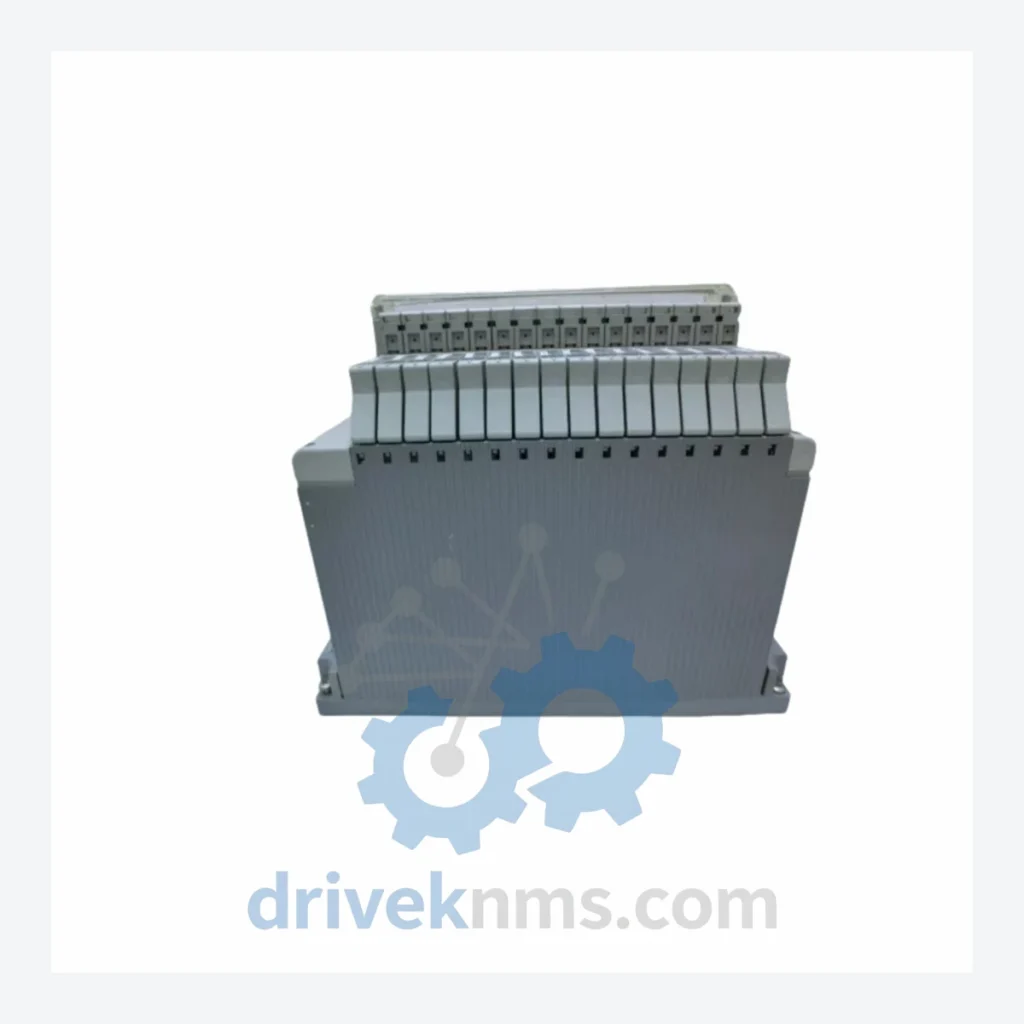
Product Overview
Commercial availability is handled through direct RFQ, model verification and export-oriented follow-up rather than public cart checkout.
Datasheet Preview
Use attached product manuals when available. If the manual is not public yet, request the full file directly through RFQ.
Commercial Path
Product pages on DRIVEKNMS are designed to verify model, brand and series first, then move the buyer into one clean quotation path.
Technical Dossier
RFQ support for obsolete parts: Send the model number, required quantity and destination so DriveKNMS can confirm sourcing options before quotation.
Q: How are RFQ terms confirmed?
A: Quantity, required condition, documentation needs, destination and sourcing route are confirmed during RFQ review before quotation.
The pressure to retire aging DCS infrastructure is real, but the business case for early replacement is rarely as straightforward as vendors suggest. A structured spare parts strategy can defer a multi-million dollar system migration by a decade or more, at a fraction of the cost. The following approach is used by maintenance teams that manage legacy Yokogawa CENTUM installations effectively:
1. Criticality mapping: Identify every module in the system that is discontinued or approaching end-of-life. Rank them by failure impact — modules controlling safety-critical loops or high-throughput processes take priority.
3. Controlled storage: Obsolete electronic modules degrade in improper storage conditions. Maintain spares in anti-static packaging, at stable temperature and humidity, away from magnetic fields. A module stored correctly for 10 years will perform identically to one installed yesterday.
4. Firmware version control: Before installing any spare, verify that the firmware version matches the version currently running in the system. Mismatched firmware in a CENTUM environment can cause communication faults that are difficult to diagnose under pressure.
5. Scheduled inspection cycles: Even modules in storage should be inspected annually for capacitor leakage, pin corrosion, and PCB discoloration. Early detection of storage degradation prevents a spare from becoming a liability at the moment it is needed most.
This approach consistently delivers a cost-per-year-of-extended-life that is 10–30 times lower than the equivalent system replacement cost. For a facility running a Yokogawa CENTUM system with 10–15 years of remaining useful life in its process equipment, the economics are not debatable.
Every AMN21 unit shipped by DriveKNMS passes a structured 5-step quality process before it leaves our facility:
Step 1 – Visual and mechanical inspection: Full examination of the PCB, connector pins, housing, and labeling. Units with physical damage, corrosion, or evidence of field repair are rejected at this stage.
Step 2 – Electrolytic capacitor assessment: Capacitor aging is the primary failure mode in modules of this generation. Each unit is assessed for capacitor bulging, leakage residue, and ESR deviation. Units with suspect capacitors are either recapped with equivalent-spec components or rejected.
Step 4 – Pin and connector integrity check: All I/O pins and backplane connectors are inspected under magnification for oxidation, bending, and mechanical wear. Affected pins are cleaned or the unit is rejected.
Q: How is condition confirmed before quotation?
A: Available condition, photos, test records and documentation are checked according to the requested model and sourcing channel before a formal RFQ response.
Q: How do I know the unit is genuine and not a counterfeit?
A: All units are sourced through traceable industrial channels. Markings, date codes, and PCB characteristics are verified against known-genuine references. We do not source from unverified secondary markets. Documentation of the sourcing chain is available for regulated-industry customers upon request.
Continue The Model Path
Move from this exact model into the matching system hub, brand archive, model-family archive or lifecycle sourcing route before sending a final RFQ list.
Related Paths
Yokogawa AKB335 is listed for CENTUM Series RFQ review. Confirm quantity, condition and destination before quotation.
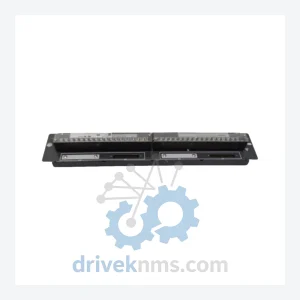
Yokogawa SEA4D is listed for CENTUM Series RFQ review. Confirm quantity, condition and destination before quotation.
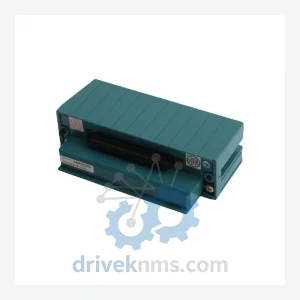
Yokogawa NFTI3S-00 S2 is listed for CENTUM Series RFQ review. Confirm quantity, condition and destination before quotation.