
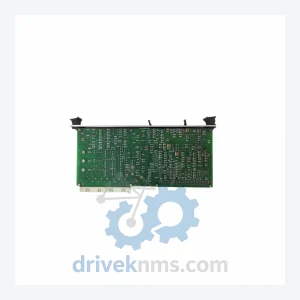
Yokogawa K9634DA-01 TCD Card Modules
Yokogawa K9634DA-01 is listed for Servo Drives RFQ review. Confirm quantity, condition and destination before quotation.
RFQ-ready industrial model
Model: ATA4S-10 S2
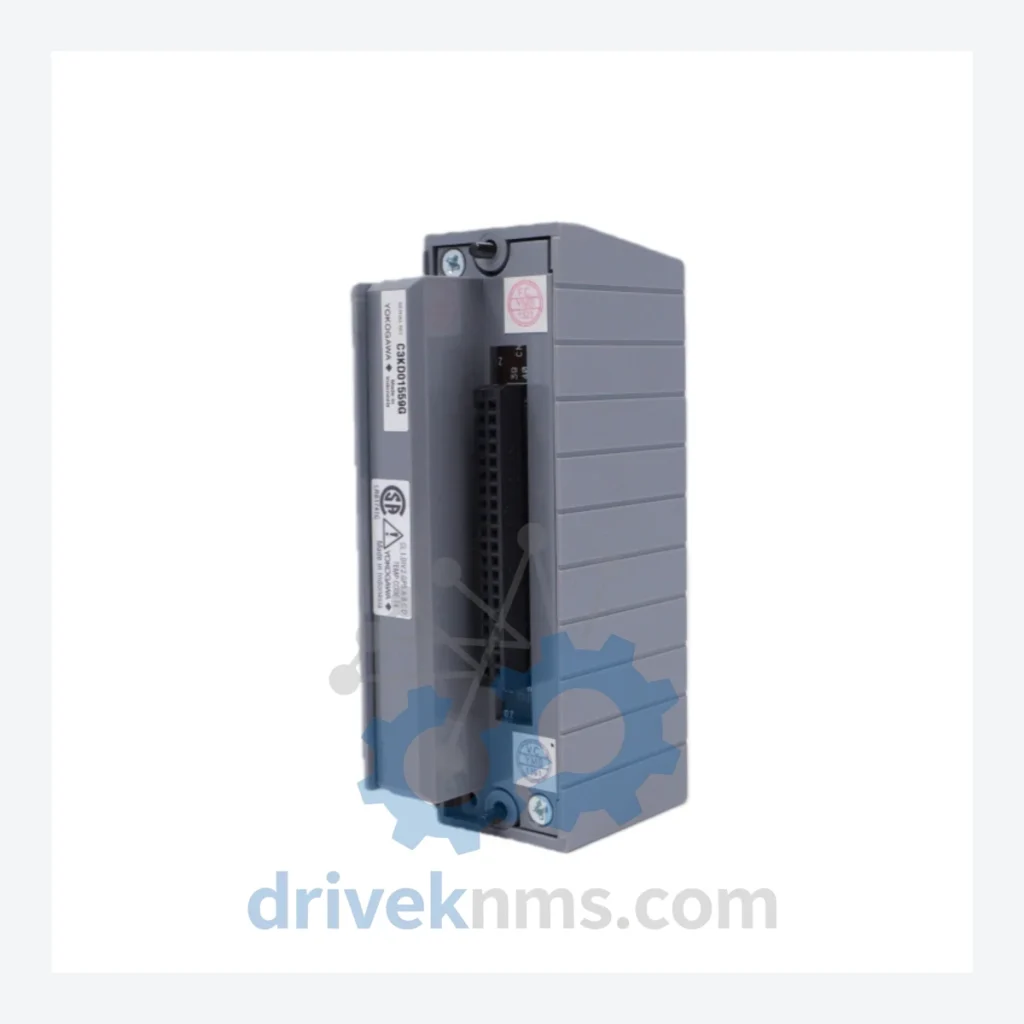
Product Overview
Commercial availability is handled through direct RFQ, model verification and export-oriented follow-up rather than public cart checkout.
Datasheet Preview
Use attached product manuals when available. If the manual is not public yet, request the full file directly through RFQ.
Commercial Path
Product pages on DRIVEKNMS are designed to verify model, brand and series first, then move the buyer into one clean quotation path.
Technical Dossier
RFQ support for obsolete parts: Send the model number, required quantity and destination so DriveKNMS can confirm sourcing options before quotation.
| Parameter | Detail |
|---|---|
| Manufacturer | Yokogawa Electric Corporation |
| Part Number | ATA4S-10 S2 |
| Module Type | Analog Input Module |
| Compatible Platform | Yokogawa CENTUM CS / CENTUM CS 3000 / CENTUM V DCS |
| Country of Origin | Japan |
| Discontinuation Status | Discontinued – No longer manufactured or supported by Yokogawa |
| Replacement Availability | No direct OEM drop-in replacement; system migration required if spare unavailable |
Note: Electrical parameters such as input range, channel count, and signal type are not published here to avoid inaccuracy. Confirmed specifications are provided upon request with supporting documentation.
The Yokogawa CENTUM platform was the backbone of process automation across refining, petrochemical, power generation, and pharmaceutical manufacturing for decades. The ATA4S-10 S2 analog input module sits at the field interface layer of this architecture — converting physical process signals into digital values that the controller uses for regulatory and advanced control. There is no software patch, no firmware update, and no configuration workaround that substitutes for a functioning hardware module at this layer.
For plant managers and reliability engineers operating under asset life extension mandates, the secondary market is not a fallback — it is the primary strategy. Facilities that proactively secure two to three spare ATA4S-10 S2 modules can realistically extend the operational life of their CENTUM system by 5 to 10 years, deferring migration costs until a planned turnaround window and avoiding the risk of an emergency shutdown driving the timeline.
The calculus is straightforward: the cost of a verified spare module is measured in thousands. The cost of an unplanned DCS migration, executed under production pressure, is measured in millions. Asset protection at the I/O layer is one of the highest-return maintenance investments available to a facility running legacy Yokogawa infrastructure.
DriveKNMS applies a structured 5-step qualification process to all obsolete modules before they are offered for sale. This process is designed specifically for the failure modes common to aged industrial electronics:
Step 1 – Visual and Mechanical Inspection: Full examination of the PCB, connector pins, and housing for physical damage, corrosion, and pin deformation. Modules with compromised connectors are rejected at this stage.
Step 2 – Electrolytic Capacitor Assessment: Aged electrolytic capacitors are a primary failure mode in modules manufactured in the 1990s and 2000s. Each module is inspected for capacitor bulging, leakage, and ESR degradation. Modules with suspect capacitors are either recapped or rejected.
Step 3 – Firmware and Label Verification: The hardware revision and firmware version markings are cross-referenced against known compatible versions for the target CENTUM platform. Mismatched or unverifiable firmware versions are flagged and disclosed.
Step 4 – Pin and Contact Cleaning: All backplane connector pins are cleaned and inspected under magnification. Oxidation is treated using approved contact restoration methods to ensure reliable backplane communication.
Modules that pass all five stages are classified as Qualified Surplus. Modules that pass visual and mechanical stages but cannot be fully bench-tested are classified as Inspected Surplus and disclosed accordingly. No module is represented as new unless it is factory-sealed with verifiable provenance.
The ATA4S-10 S2 is a direct hardware replacement for the same slot position within the CENTUM I/O nest. Installation does not require controller reprogramming, loop reconfiguration, or changes to the DCS database — provided the replacement module carries a compatible hardware and firmware revision. This drop-in replacement characteristic is the core operational value of sourcing a like-for-like spare rather than pursuing a cross-platform substitution.
Avoiding engineering re-work is not a minor convenience. In a validated manufacturing environment — pharmaceutical, food and beverage, or specialty chemical — any change to the control system configuration triggers a revalidation cycle that can take weeks and require regulatory documentation. A hardware-identical replacement eliminates that burden entirely. The process loop is restored, the validation status is maintained, and production resumes without a change control event.
For facilities that have not yet established a formal critical spare inventory for their CENTUM system, the ATA4S-10 S2 is a logical starting point. Analog input modules handle the highest volume of field signals and carry the highest statistical failure probability over a 20-year service life. Holding one or two verified spares on the shelf converts a potential production crisis into a scheduled maintenance event.
Continue The Model Path
Move from this exact model into the matching system hub, brand archive, model-family archive or lifecycle sourcing route before sending a final RFQ list.
Related Paths
Yokogawa K9634DA-01 is listed for Servo Drives RFQ review. Confirm quantity, condition and destination before quotation.
Yokogawa UT350 UT350-01 is listed for Servo Drives RFQ review. Confirm quantity, condition and destination before quotation.
Yokogawa NFDR541-P00 S2 is listed for Servo Drives RFQ review. Confirm quantity, condition and destination before quotation.