
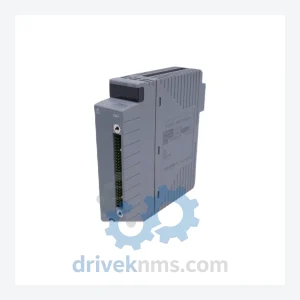
Yokogawa AAR145-S50 Analog Output Module – Obsolete CENTUM CS/CS3000 Spare Part
Yokogawa AAR145-S50 is listed for CENTUM CS/CS3000 RFQ review. Confirm quantity, condition and destination before quotation.
RFQ-ready industrial model
Model: PW102
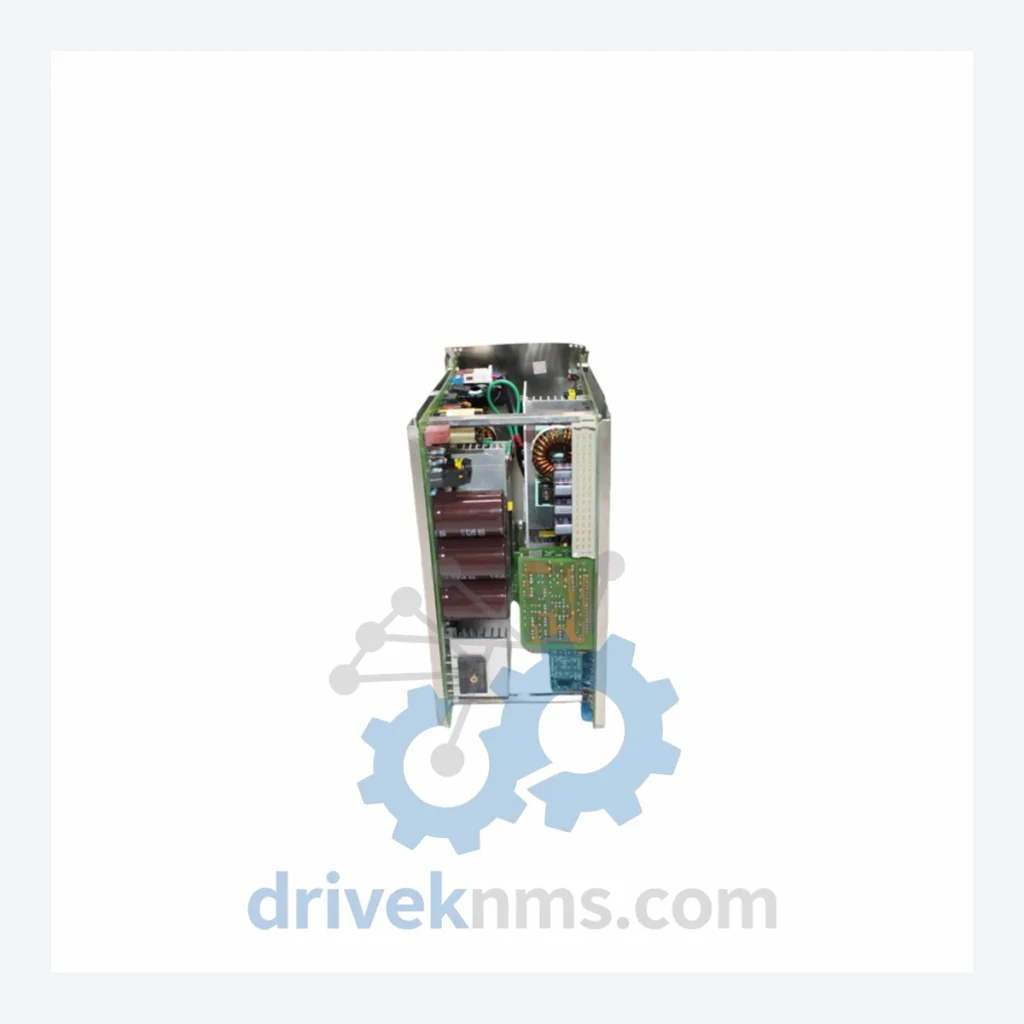
Product Overview
Commercial availability is handled through direct RFQ, model verification and export-oriented follow-up rather than public cart checkout.
Datasheet Preview
Use attached product manuals when available. If the manual is not public yet, request the full file directly through RFQ.
Commercial Path
Product pages on DRIVEKNMS are designed to verify model, brand and series first, then move the buyer into one clean quotation path.
Technical Dossier
The YOKOGAWA CENTUM CS and CS3000 Distributed Control System (DCS) platform represents one of the most widely deployed process automation architectures in global heavy industry. Installed across petrochemical complexes, nuclear power facilities, LNG terminals, crude oil refineries, and large-scale chemical plants, the CENTUM CS/CS3000 series established a benchmark for high-availability field bus control in the 1990s and 2000s. The PW102 power supply module is a core infrastructure component within this platform, providing regulated DC power to field control units (FCUs) and I/O bus segments. Its role is non-redundant-capable in single-supply configurations but is commonly deployed in N+1 redundant pairs in mission-critical installations. The CENTUM CS3000 platform remains operational in thousands of facilities worldwide, making lifecycle parts sourcing — including the PW102 — a sustained procurement requirement through the 2030s.
YOKOGAWA introduced the CENTUM CS platform in 1993 as a successor to the CENTUM-XL series, transitioning from proprietary coaxial bus topology to a Vnet token-ring control network operating at 10 Mbps. The CS3000 revision (released 1998) extended this architecture with enhanced redundancy options, expanded I/O density, and Windows NT/2000-based HIS (Human Interface Station) integration. Power distribution within both generations relies on a modular supply architecture: field control units (FCU) accept plug-in power supply modules that convert 100–240 VAC input to regulated 24 VDC or 5 VDC bus rails depending on the node type. The PW102 targets the 24 VDC bus rail used by standard I/O nest assemblies. Later revisions introduced the PW481 and PW482 for expanded wattage requirements in high-density I/O configurations. YOKOGAWA officially announced end-of-manufacture (EOM) for the CENTUM CS3000 hardware line in 2014, with end-of-support (EOS) phased through 2024. Facilities operating beyond EOS require third-party lifecycle support for continued spare parts availability.
Power Supply Modules
CPU / Controller Modules
Digital Input (DI) Modules
Digital Output (DO) Modules
Analog Input (AI) Modules
Analog Output (AO) Modules
Communication / Bus Adapter Modules
All CENTUM CS/CS3000 modules processed by DriveKNMS undergo a structured inspection and functional verification protocol prior to dispatch. For power supply modules including the PW102, this includes: input voltage range verification (85–264 VAC), output regulation measurement under 25%, 50%, and 100% rated load, ripple and noise measurement per IEC 61131-2 limits, and thermal cycling to confirm capacitor and switching component integrity. For CPU and communication modules, backplane bus interface testing is performed using a CENTUM CS3000 FCU test chassis to verify Vnet token-ring participation, function block execution, and I/O scan cycle timing. All units are shipped with individual test records. Modules that fail any verification step are quarantined and not offered for sale.
Continue The Model Path
Move from this exact model into the matching system hub, brand archive, model-family archive or lifecycle sourcing route before sending a final RFQ list.
Related Paths
Yokogawa AAR145-S50 is listed for CENTUM CS/CS3000 RFQ review. Confirm quantity, condition and destination before quotation.
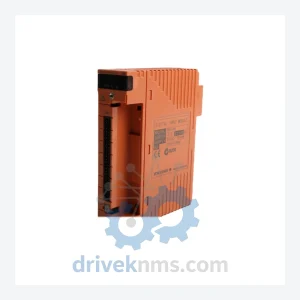
Yokogawa SDV144-S13 S1 is listed for CENTUM CS/CS3000 RFQ review. Confirm quantity, condition and destination before quotation.
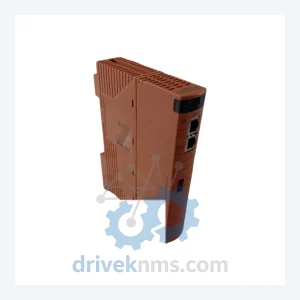
Yokogawa SCP461-E1 S2 is listed for CENTUM CS/CS3000 RFQ review. Confirm quantity, condition and destination before quotation.