
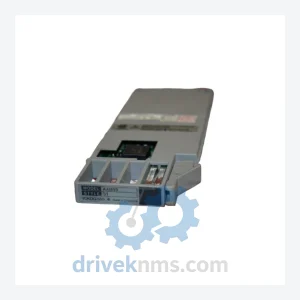
YOKOGAWA STARDOM / CENTUM Series Analog Input Modules: AAM10
Yokogawa AAM10 is listed for STARDOM RFQ review. Confirm quantity, condition and destination before quotation.
RFQ-ready industrial model
Model: CP401-10
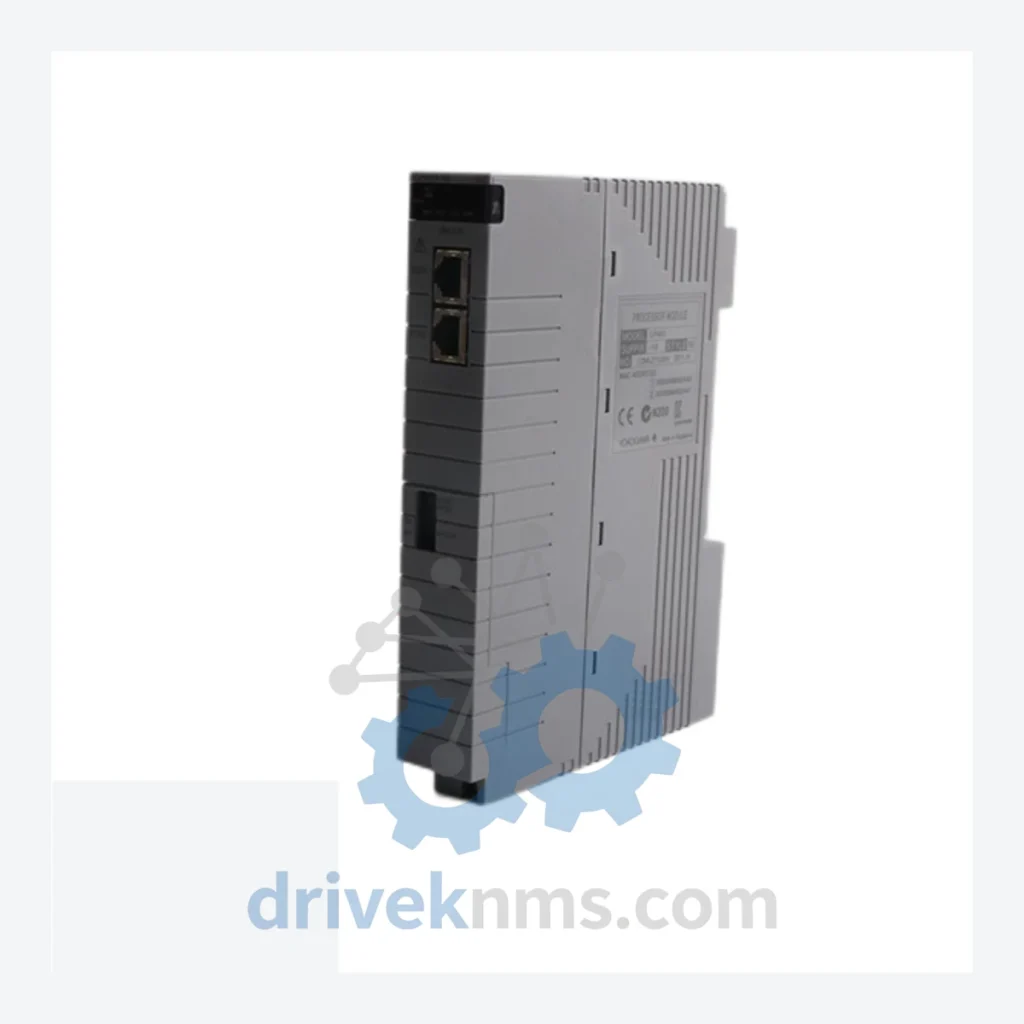
Product Overview
Commercial availability is handled through direct RFQ, model verification and export-oriented follow-up rather than public cart checkout.
Datasheet Preview
Use attached product manuals when available. If the manual is not public yet, request the full file directly through RFQ.
Commercial Path
Product pages on DRIVEKNMS are designed to verify model, brand and series first, then move the buyer into one clean quotation path.
Technical Dossier
RFQ support for obsolete parts: Send the model number, required quantity and destination so DriveKNMS can confirm sourcing options before quotation.
| Parameter | Detail |
|---|---|
| Manufacturer | Yokogawa Electric Corporation |
| Part Number | CP401-10 |
| Module Type | CPU Controller Module |
| Compatible System | CENTUM CS, CENTUM CS3000 DCS |
| Series | CENTUM |
| Country of Origin | Japan |
| Lifecycle Status | Discontinued / Obsolete – No longer manufactured |
| Replacement Availability | Limited – Secondary market only |
Note: Electrical parameters specific to this module are not published here to prevent misapplication. Contact our technical team for configuration verification before ordering.
The CENTUM CS and CS3000 platforms were deployed extensively across refining, petrochemical, power generation, and pharmaceutical facilities throughout the 1990s and 2000s. Many of these installations remain in active production service. The CP401-10 functions as the domain controller responsible for executing control logic, managing I/O communication, and maintaining real-time process data integrity within its assigned control domain.
Yokogawa's end-of-life policy for CENTUM CS hardware means that OEM replacement parts are no longer available through standard distribution channels. Plant managers operating these systems face a binary choice: source verified spare modules from the secondary market, or commit to a full DCS migration. The migration path, while inevitable in the long term, demands capital expenditure, extended shutdown windows, and complete revalidation of process control logic — a timeline measured in years, not months.
How to extend your CENTUM CS system life by 5–10 years without a full migration:
DriveKNMS applies a 5-step quality assurance process to all obsolete CPU modules before dispatch review:
Condition grades (New, Refurbished-Grade-A, or Tested-Used) are disclosed in full at the time of quotation. No module is shipped without a documented condition report.
Q: How do I confirm the module is genuine Yokogawa and not a counterfeit?
A: All modules supplied by DriveKNMS are sourced from decommissioned plant assets or verified distributor overstock. Serial numbers, board markings, and manufacturing date codes are documented and provided with each shipment. We do not source from unverified brokers.
Q: Can you verify firmware compatibility before dispatch review?
A: Yes. Provide your current system firmware revision and we will confirm compatibility before the order is confirmed.
Continue The Model Path
Move from this exact model into the matching system hub, brand archive, model-family archive or lifecycle sourcing route before sending a final RFQ list.
Related Paths
Yokogawa AAM10 is listed for STARDOM RFQ review. Confirm quantity, condition and destination before quotation.
Yokogawa AAI141-S00 is listed for CENTUM VP RFQ review. Confirm quantity, condition and destination before quotation.
Yokogawa AAM50 is listed for CENTUM VP RFQ review. Confirm quantity, condition and destination before quotation.