
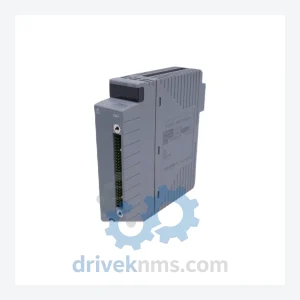
Yokogawa AAR145-S50 Analog Output Module – Obsolete CENTUM CS/CS3000 Spare Part
Yokogawa AAR145-S50 is listed for CENTUM CS/CS3000 RFQ review. Confirm quantity, condition and destination before quotation.
RFQ-ready industrial model
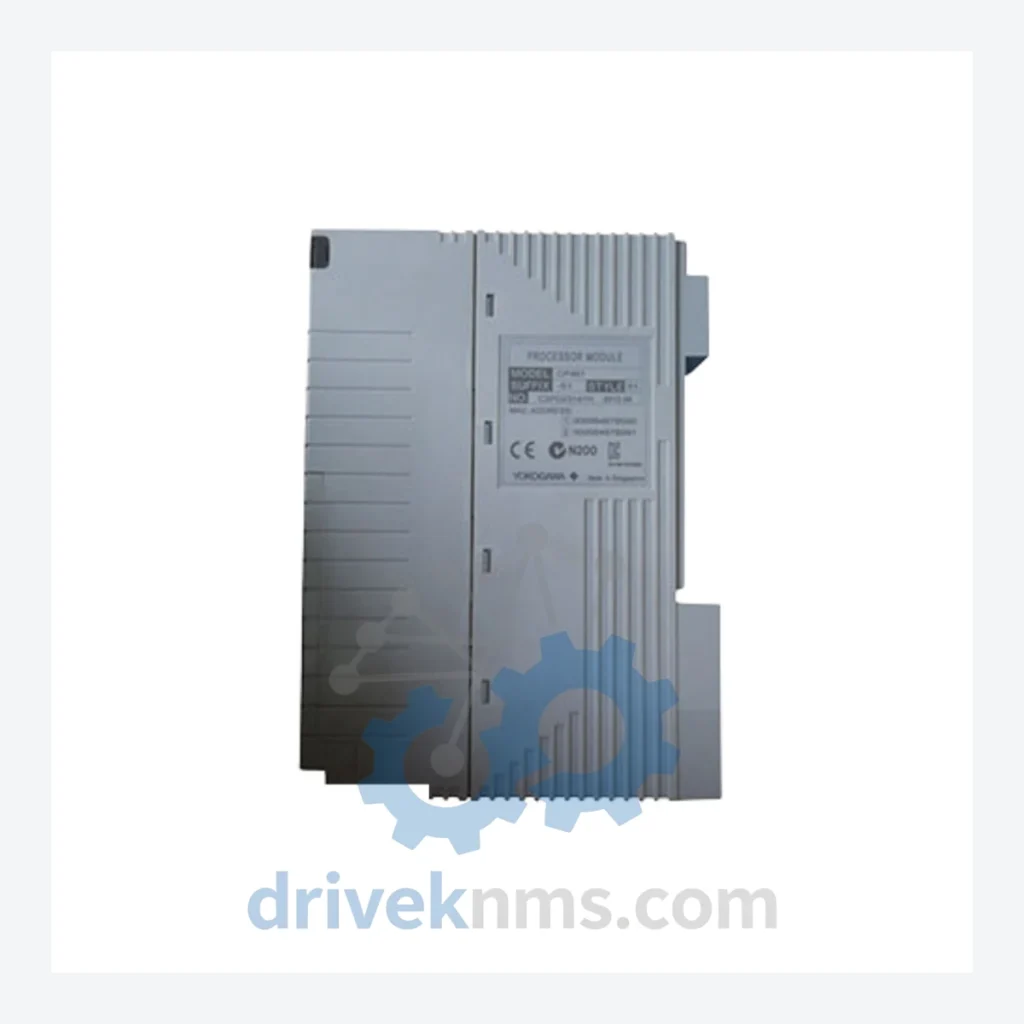
Model: CP461-11-S1
Product Overview
Commercial availability is handled through direct RFQ, model verification and export-oriented follow-up rather than public cart checkout.
Datasheet Preview
Use attached product manuals when available. If the manual is not public yet, request the full file directly through RFQ.
Commercial Path
Product pages on DRIVEKNMS are designed to verify model, brand and series first, then move the buyer into one clean quotation path.
Technical Dossier
When a CP461-11-S1 CPU module fails in a CENTUM CS or CS3000 distributed control system, the consequences are not limited to a single loop or instrument. This module sits at the core of field control station (FCS) operations. Its failure can halt an entire process unit. For facilities running refinery columns, chemical reactors, or continuous batch processes, an unplanned shutdown triggered by a discontinued CPU module can cost hundreds of thousands to several million dollars per day in lost production — before factoring in the engineering cost of a forced migration to a current-generation DCS platform.
A full CENTUM CS3000 to CENTUM VP migration, including engineering, FAT, SAT, and operator retraining, routinely exceeds USD 2–5 million for a mid-size plant. Sourcing a verified CP461-11-S1 from DriveKNMS eliminates that pressure entirely and buys your engineering team the time to plan a controlled, budgeted transition on your schedule — not the market's.
RFQ support for obsolete parts: Send the model number, required quantity and destination so DriveKNMS can confirm sourcing options before quotation.
| Attribute | Detail |
|---|---|
| Manufacturer | Yokogawa Electric Corporation |
| Part Number | CP461-11-S1 |
| Product Series | CENTUM CS / CENTUM CS3000 |
| Module Function | Field Control Station (FCS) CPU / Processor Module |
| Country of Origin | Japan |
| Discontinuation Status | Discontinued – No longer manufactured or supported by Yokogawa |
| Compatible Systems | CENTUM CS, CENTUM CS3000 FCS (Field Control Station) |
| Note on Parameters | Electrical parameters are not published here to avoid inaccuracy. Please contact us for verified datasheet documentation. |
The Yokogawa CENTUM CS3000 platform was one of the most widely deployed DCS architectures in the Asia-Pacific and Middle East process industries throughout the 1990s and 2000s. Thousands of FCS cabinets built around the CP461 series CPU remain in active service today — running refineries, LNG terminals, power generation facilities, and specialty chemical plants.
Yokogawa has formally discontinued the CENTUM CS3000 hardware line. Spare parts are no longer available through standard distribution channels. When a CP461-11-S1 fails, plant engineers face a binary choice: source the part from the secondary market, or commit to a full DCS migration under emergency conditions. Emergency migrations executed under production pressure are the most expensive and highest-risk projects in industrial automation. They compress timelines that should span 18–36 months into weeks, introduce configuration errors, and consume engineering resources that were allocated elsewhere.
The CP461-11-S1 is not a commodity item. It cannot be substituted with a generic PLC CPU or a module from a different Yokogawa series without re-engineering the FCS configuration. It is a direct, drop-in replacement for the failed unit — and that specificity is precisely what makes it difficult to source and valuable when found.
Plant managers facing DCS retirement pressure from corporate asset teams often underestimate the leverage that a disciplined spare parts strategy provides. The following approach has been used by maintenance engineering teams to defer costly migrations while maintaining system reliability:
1. Critical Spare Identification: Map every CPU, communication, and I/O module in your FCS cabinets. Identify which part numbers are discontinued and which have no functional substitute. The CP461-11-S1 belongs in the highest-priority tier of this list.
3. Condition-Based Monitoring: Implement watchdog timer logging and CPU load trending on active CENTUM CS3000 FCS units. Early detection of CPU degradation allows a planned swap during a scheduled turnaround rather than an emergency replacement during production.
4. Firmware Version Control: Maintain a documented record of the firmware version running on each CP461-11-S1 in service. When installing a replacement module, firmware version alignment is required to avoid FCS communication faults. DriveKNMS verifies firmware versions on all units prior to shipment.
5. Vendor Qualification for Secondary Market Parts: Not all secondary market suppliers apply consistent quality controls to discontinued DCS hardware. Electrolytic capacitor degradation, pin corrosion, and counterfeit firmware are documented failure modes in the secondary market. Establish a qualified supplier list and require documented inspection records for every critical spare.
A structured spare parts program for a CENTUM CS3000 installation typically costs less than 0.5% of the total replacement project value per year — while deferring that project by 5–10 years. For a USD 3 million migration, that is USD 15,000 per year in spare parts budget versus USD 3 million in capital expenditure. The financial case does not require elaboration.
DriveKNMS applies a 5-step inspection protocol to all discontinued DCS hardware before dispatch review:
Step 1 – Visual and Mechanical Inspection: Full board inspection for physical damage, burnt components, cracked solder joints, and connector pin condition. Units with visible corrosion on edge connectors or backplane pins are rejected.
Step 2 – Electrolytic Capacitor Assessment: Capacitor aging is the primary failure mode in DCS CPU modules manufactured in the 1990s and early 2000s. Each unit is assessed for capacitor bulging, electrolyte leakage, and ESR deviation. Units showing capacitor degradation are either reconditioned by qualified technicians or removed from inventory.
Step 3 – Firmware Version Verification: The firmware version is read and documented. This information is provided to the customer prior to shipment to confirm compatibility with the target FCS configuration.
Step 4 – Functional Power-On Test: Where test infrastructure permits, units are powered on and basic communication diagnostics are run. Results are logged and included with the shipment documentation.
Step 5 – Packaging and ESD Protection: All units are packed in anti-static bags with foam cushioning. Shipment documentation includes the inspection record, firmware version, and unit serial number where available.
Drop-in Replacement: The CP461-11-S1 is a direct hardware replacement for a failed unit of the same part number within a CENTUM CS or CS3000 FCS cabinet. No hardware redesign is required.
No Re-engineering of FCS Configuration: Replacing a CPU module with an identical part number does not require modification of the FCS application software or I/O assignments. This eliminates the need for a full FAT/SAT cycle and the associated engineering cost.
Avoids Emergency Migration Cost: Sourcing a verified spare from the secondary market is the only alternative to a forced, unbudgeted DCS migration when a discontinued CPU module fails. The cost differential is not marginal — it is typically two to three orders of magnitude.
Supports Planned Transition: Holding a verified spare allows plant management to schedule a DCS migration on a capital planning cycle rather than under emergency conditions, preserving engineering quality and budget control.
Q: How do you ensure the unit is not counterfeit or misrepresented?
A: Each unit is inspected against known reference documentation for the CP461-11-S1. Firmware version is verified and documented. We do not relabel, remanufacture, or misrepresent the condition grade of any unit. Condition grade (new surplus, tested used, or refurbished) is disclosed in the quotation.
Q: Can this module be used in a CENTUM VP system?
A: The CP461-11-S1 is designed for CENTUM CS and CS3000 FCS hardware. It is not compatible with CENTUM VP architecture. Please confirm your system generation before ordering.
Continue The Model Path
Move from this exact model into the matching system hub, brand archive, model-family archive or lifecycle sourcing route before sending a final RFQ list.
Related Paths
Yokogawa AAR145-S50 is listed for CENTUM CS/CS3000 RFQ review. Confirm quantity, condition and destination before quotation.
Yokogawa SDV144-S13 S1 is listed for CENTUM CS/CS3000 RFQ review. Confirm quantity, condition and destination before quotation.
Yokogawa SCP461-E1 S2 is listed for CENTUM CS/CS3000 RFQ review. Confirm quantity, condition and destination before quotation.