
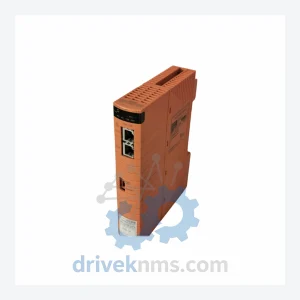
Yokogawa CENTUM CS 3000 Modules: S2CP471-01 S1 Processor Module
Yokogawa S2CP471-01 S1 is listed for CENTUM CS RFQ review. Confirm quantity, condition and destination before quotation.
RFQ-ready industrial model
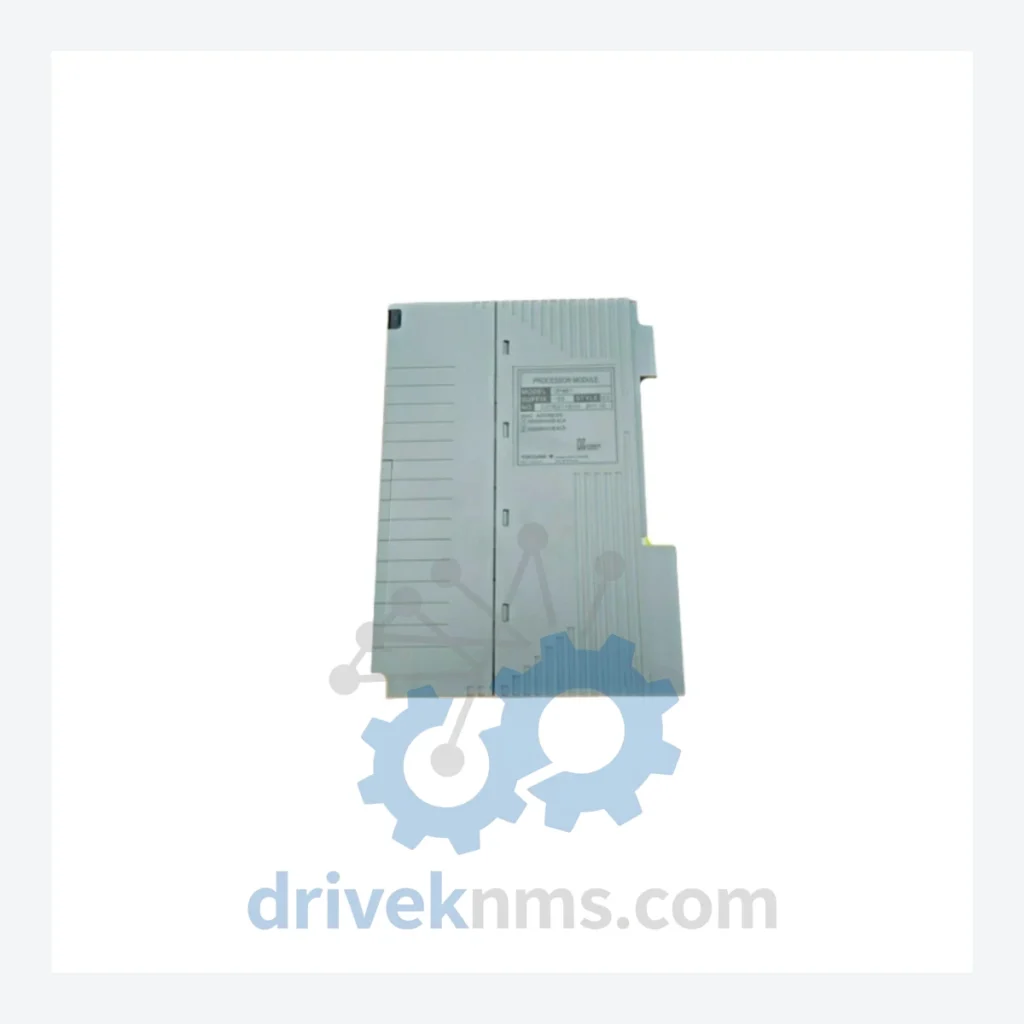
Model: CP461-50-S2
Product Overview
Commercial availability is handled through direct RFQ, model verification and export-oriented follow-up rather than public cart checkout.
Datasheet Preview
Use attached product manuals when available. If the manual is not public yet, request the full file directly through RFQ.
Commercial Path
Product pages on DRIVEKNMS are designed to verify model, brand and series first, then move the buyer into one clean quotation path.
Technical Dossier
RFQ support for obsolete parts: Send the model number, required quantity and destination so DriveKNMS can confirm sourcing options before quotation.
| Parameter | Detail |
|---|---|
| Part Number | CP461-50-S2 |
| Manufacturer | Yokogawa Electric Corporation |
| Series | CENTUM CS / CS3000 |
| Module Type | Field Control Station (FCS) Processor Module |
| Country of Origin | Japan |
| Discontinuation Status | Discontinued – No longer manufactured or supported by Yokogawa |
| Compatible Systems | Yokogawa CENTUM CS, CENTUM CS3000 DCS platforms |
| Typical Application | Process control in petrochemical, refining, power generation, and pulp & paper industries |
Note: Electrical parameters not listed here are not independently verified. DriveKNMS does not publish unconfirmed specifications. Contact us for datasheet documentation.
The Yokogawa CENTUM CS and CS3000 platforms were deployed extensively from the mid-1990s through the 2010s across refineries, LNG terminals, power stations, and large-scale chemical plants. The CP461-50-S2 serves as the central processing unit within the Field Control Station — the component responsible for executing all control logic, managing I/O communication, and maintaining loop integrity. There is no software-only workaround when this module fails. The FCS goes offline. The process goes to manual or shuts down.
Yokogawa has formally discontinued the CENTUM CS hardware line and transitioned its installed base toward CENTUM VP. However, the migration path is not straightforward. Plants with thousands of I/O points, custom function blocks, and deeply integrated safety instrumented systems cannot be migrated during a standard turnaround. The engineering scope alone — tag mapping, logic conversion, FAT, SAT — requires 18 to 36 months of planning for a large unit. During that window, the existing CP461-50-S2 modules are the only thing keeping the process running.
For plant management facing board-level pressure to defer capital expenditure on DCS replacement, a structured spare parts strategy is the most defensible low-cost maintenance approach available. The following framework applies directly to CENTUM CS installations running CP461-50-S2 processor modules:
1. Criticality-based inventory positioning. Identify every CP461-50-S2 installed across all FCS cabinets. Classify each by process criticality — units controlling primary reaction loops or safety-adjacent functions warrant dedicated cold-standby spares. Units in utility or auxiliary service may share a pooled spare.
3. Firmware version control. CENTUM CS FCS modules are firmware-dependent. Replacement modules must match the firmware revision of the installed base to avoid compatibility faults. DriveKNMS verifies firmware versions prior to shipment on request.
4. Lifecycle cost comparison. A CP461-50-S2 spare part, even at current market pricing, represents less than 0.1% of the cost of an unplanned DCS migration. Presented to finance as a capital preservation measure rather than a maintenance expense, the business case is straightforward.
5. Documented spare parts register. Maintaining a formal register of critical obsolete spares — with reorder triggers based on consumption rate and market availability — is standard practice in ISO 55001-aligned asset management programs. For discontinued hardware like the CP461-50-S2, the reorder trigger should be set at the point of first consumption, not at depletion.
DriveKNMS applies a 5-step quality assurance process to all obsolete processor modules before dispatch review:
Step 1 – Visual and mechanical inspection. Full examination of PCB surface, connector pins, and housing for physical damage, corrosion, or evidence of prior repair.
Step 2 – Electrolytic capacitor assessment. Capacitor aging is the primary failure mode in processor modules stored or operated beyond 15 years. Each unit is assessed for capacitor condition; units with visible bulging, electrolyte leakage, or measured ESR deviation are rejected.
Step 3 – Pin and connector integrity check. All backplane connector pins are inspected under magnification for oxidation, bending, and contact resistance. Corroded pins are the leading cause of intermittent FCS faults in aged CENTUM CS hardware.
Step 4 – Firmware version verification. The installed firmware revision is documented and provided to the customer. Mismatched firmware between replacement and installed modules is a known source of post-replacement faults in CENTUM CS systems.
Units that do not pass all five steps are not offered for sale.
Drop-in replacement compatibility. The CP461-50-S2 is a direct hardware replacement for the same part number within CENTUM CS FCS cabinets. No re-engineering of the control database, no I/O remapping, and no changes to the HIS configuration are required. The replacement module slots into the existing backplane and resumes operation under the existing control logic.
No reprogramming required. Control logic resides in the FCS database, not in the processor module itself. Replacing the CP461-50-S2 does not require reloading or modifying the control application, provided the replacement module is at a compatible firmware revision.
Avoids engineering reconstruction costs. A forced migration from CENTUM CS to CENTUM VP or any third-party DCS platform requires full control system re-engineering. Maintaining the existing hardware with verified spare modules defers that cost indefinitely, on the plant's schedule rather than a failure event's schedule.
Q: How should I manage long-term spare parts storage for CP461-50-S2 modules?
A: Store in anti-static packaging in a climate-controlled environment at 15–30°C with relative humidity below 60%. Avoid storage near magnetic fields or vibration sources. Inspect stored units annually for capacitor condition. For plants with more than three CP461-50-S2 units in service, maintaining a minimum of two cold-standby spares is the standard recommendation.
Q: Can you source multiple units for a plant-wide spare parts program?
A: Yes. Contact DriveKNMS directly to discuss volume requirements and long-term supply agreements for CENTUM CS critical spares.
Continue The Model Path
Move from this exact model into the matching system hub, brand archive, model-family archive or lifecycle sourcing route before sending a final RFQ list.
Related Paths
Yokogawa S2CP471-01 S1 is listed for CENTUM CS RFQ review. Confirm quantity, condition and destination before quotation.
Yokogawa ANB10D-427 is listed for CENTUM CS RFQ review. Confirm quantity, condition and destination before quotation.
Yokogawa SCP451-11 is listed for CENTUM CS RFQ review. Confirm quantity, condition and destination before quotation.