
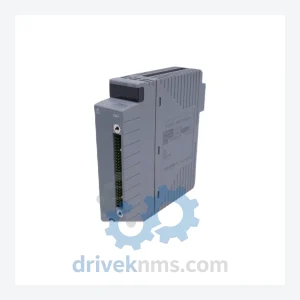
Yokogawa AAR145-S50 Analog Output Module – Obsolete CENTUM CS/CS3000 Spare Part
Yokogawa AAR145-S50 is listed for CENTUM CS/CS3000 RFQ review. Confirm quantity, condition and destination before quotation.
RFQ-ready industrial model
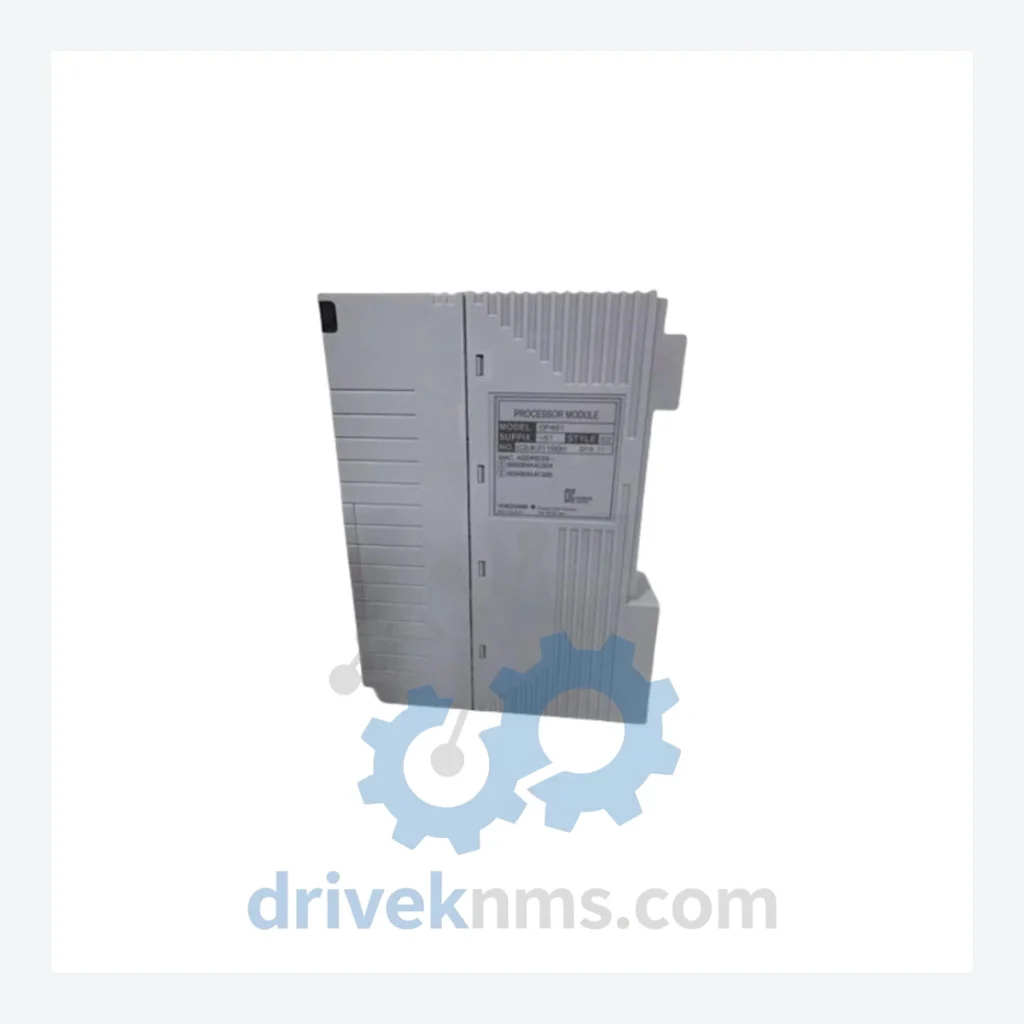
Model: CP461-51-S2
Product Overview
Commercial availability is handled through direct RFQ, model verification and export-oriented follow-up rather than public cart checkout.
Datasheet Preview
Use attached product manuals when available. If the manual is not public yet, request the full file directly through RFQ.
Commercial Path
Product pages on DRIVEKNMS are designed to verify model, brand and series first, then move the buyer into one clean quotation path.
Technical Dossier
DriveKNMS reviews sourcing options for this model through RFQ handling before quotation.
RFQ support for obsolete parts: Send the model number, required quantity and destination so DriveKNMS can confirm sourcing options before quotation.
| Parameter | Detail |
|---|---|
| Part Number | CP461-51-S2 |
| Manufacturer | Yokogawa Electric Corporation |
| Country of Origin | Japan |
| Module Function | Field Control Station (FCS) Processor Module |
| Compatible Platform | Yokogawa CENTUM CS / CENTUM CS3000 DCS |
| Product Status | Discontinued / Obsolete – No longer manufactured or supported by Yokogawa |
| Replacement Path | Yokogawa CENTUM VP (requires full engineering migration) |
The CENTUM CS3000 platform was Yokogawa's dominant DCS architecture for process industries through the 1990s and 2000s. Thousands of installations remain in active service across petrochemical, pulp and paper, pharmaceutical, and power generation facilities worldwide. Yokogawa officially ended mainstream support for CENTUM CS3000, and the CP461-51-S2 processor module is no longer manufactured.
The CP461-51-S2 is the computational core of the FCS. It executes all control logic, manages I/O communication, and maintains the real-time database for its station. There is no field-level workaround when this module fails. Unlike a failed I/O card — which may affect only a subset of loops — a failed processor module takes the entire FCS offline. Redundant configurations provide protection against unplanned failure, but they do not eliminate the need for a physical spare: once the redundant unit assumes control, the system is no longer protected.
Obsolete modules sourced from secondary markets carry real risk. DriveKNMS applies a structured 5-step inspection protocol before any CP461-51-S2 is offered for sale:
Condition is disclosed as New Surplus, Refurbished, or Tested Used. No unit is shipped without a condition classification.
Should I buy more than one unit?
For any facility with more than one FCS using the CP461-51-S2, holding at least two spares is the standard recommendation. The secondary market for this module will continue to thin as installed base units are decommissioned. Units available today may not be available in 18 months.
Can you confirm compatibility with my specific system revision?
Provide your FCS model number, existing processor module revision, and CENTUM CS3000 software version. DriveKNMS will confirm compatibility before invoicing.
Continue The Model Path
Move from this exact model into the matching system hub, brand archive, model-family archive or lifecycle sourcing route before sending a final RFQ list.
Related Paths
Yokogawa AAR145-S50 is listed for CENTUM CS/CS3000 RFQ review. Confirm quantity, condition and destination before quotation.
Yokogawa SDV144-S13 S1 is listed for CENTUM CS/CS3000 RFQ review. Confirm quantity, condition and destination before quotation.
Yokogawa SCP461-E1 S2 is listed for CENTUM CS/CS3000 RFQ review. Confirm quantity, condition and destination before quotation.