
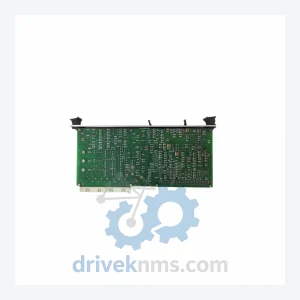
Yokogawa K9634DA-01 TCD Card Modules
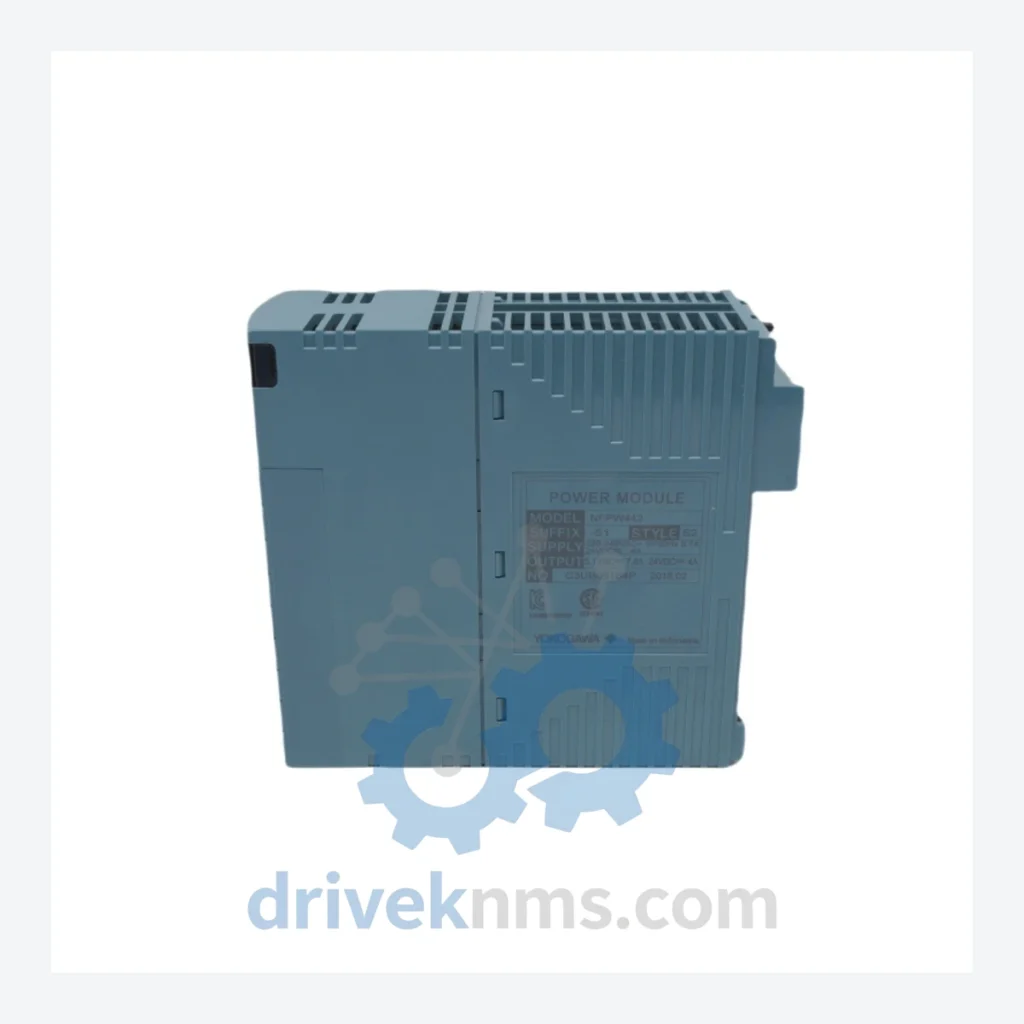
Yokogawa K9634DA-01 is listed for Servo Drives RFQ review. Confirm quantity, condition and destination before quotation.
RFQ-ready industrial model
Model: DTSBM10-N0N S1
Product Overview
Commercial availability is handled through direct RFQ, model verification and export-oriented follow-up rather than public cart checkout.
Datasheet Preview
Use attached product manuals when available. If the manual is not public yet, request the full file directly through RFQ.
Commercial Path
Product pages on DRIVEKNMS are designed to verify model, brand and series first, then move the buyer into one clean quotation path.
Technical Dossier
RFQ support for obsolete parts: Send the model number, required quantity and destination so DriveKNMS can confirm sourcing options before quotation.
The Yokogawa CENTUM platform — spanning CENTUM-XL, CENTUM CS, and CENTUM CS 3000 — represents decades of installed base across petrochemical, power generation, pulp and paper, and pharmaceutical facilities worldwide. The DTSBM10-N0N S1 functions as a core bus master module within these architectures, coordinating communication between field control stations and the engineering/operator workstations. Its failure does not produce a degraded operating mode — it produces a system halt.
Yokogawa's official end-of-life policy for legacy CENTUM hardware means that replacement parts are no longer available through standard distribution channels. Plant managers operating these systems face a binary choice: locate genuine spare hardware through specialist suppliers, or commit to a full system replacement project. The latter option, when accounting for full engineering scope, is rarely completed in under 18 months and seldom costs less than seven figures.
Facilities that have maintained a strategic spare parts inventory for their CENTUM systems have documented operational continuity extensions of 5 to 10 years beyond the manufacturer's stated end-of-support date. The cost of a single spare module, held in climate-controlled storage, is measured in thousands of dollars. The cost of an unplanned system migration, triggered by an unspared failure, is measured in millions — plus the intangible cost of production loss during the transition period.
For plant engineering and maintenance management teams operating under capital expenditure constraints, the arithmetic is not complicated. A proactive spare parts strategy for legacy DCS hardware is not a maintenance expense. It is asset protection.
DriveKNMS applies a structured 5-step qualification process to all obsolete modules before they are offered for sale:
Each unit shipped by DriveKNMS is accompanied by a condition report documenting the results of this process.
How do I verify the unit is genuine Yokogawa and not a counterfeit?
All units supplied by DriveKNMS are sourced from documented industrial channels — decommissioned plant equipment, verified surplus distributors, and controlled OEM overstock. Authenticity markings, serial number formats, and PCB construction are verified against known genuine references during our inspection process. Documentation of sourcing provenance is available to buyers upon request.
Continue The Model Path
Move from this exact model into the matching system hub, brand archive, model-family archive or lifecycle sourcing route before sending a final RFQ list.
Related Paths
Yokogawa K9634DA-01 is listed for Servo Drives RFQ review. Confirm quantity, condition and destination before quotation.
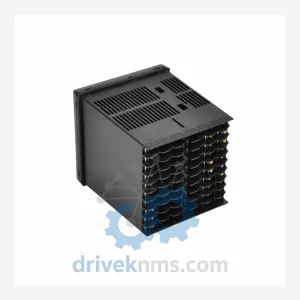
Yokogawa UT350 UT350-01 is listed for Servo Drives RFQ review. Confirm quantity, condition and destination before quotation.
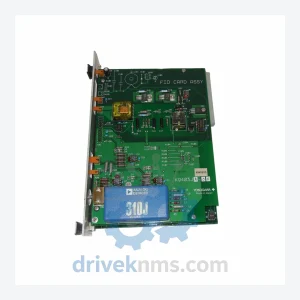
Yokogawa K9403JA-02 is listed for Servo Drives RFQ review. Confirm quantity, condition and destination before quotation.