
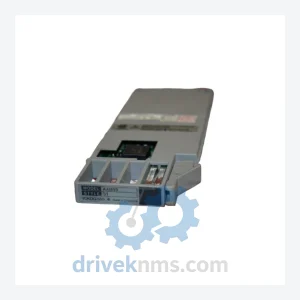
YOKOGAWA STARDOM / CENTUM Series Analog Input Modules: AAM10
Yokogawa AAM10 is listed for STARDOM RFQ review. Confirm quantity, condition and destination before quotation.
RFQ-ready industrial model
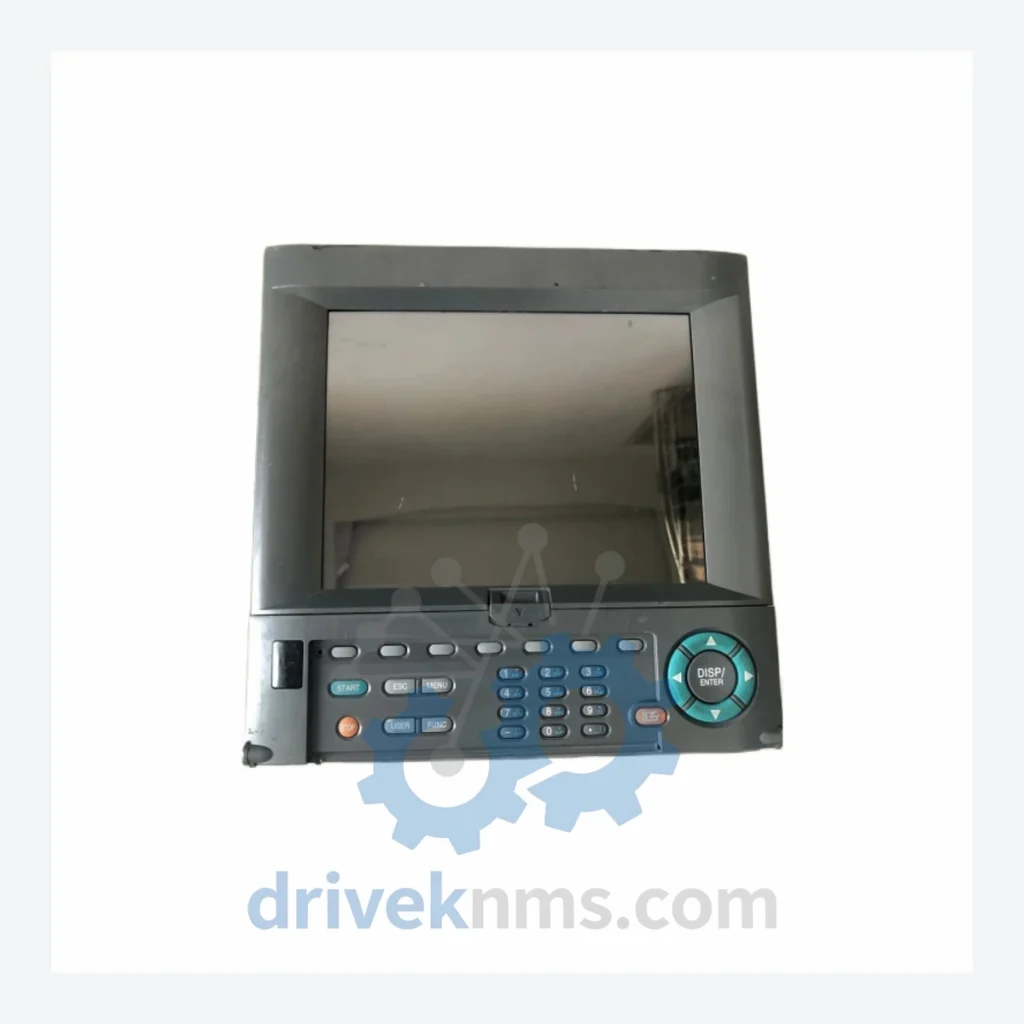
Model: DX2048T-3-4-1
Product Overview
Commercial availability is handled through direct RFQ, model verification and export-oriented follow-up rather than public cart checkout.
Datasheet Preview
Use attached product manuals when available. If the manual is not public yet, request the full file directly through RFQ.
Commercial Path
Product pages on DRIVEKNMS are designed to verify model, brand and series first, then move the buyer into one clean quotation path.
Technical Dossier
The Yokogawa DX2000 series — commercially designated as the DXAdvanced paperless recorder platform — occupies a critical position in global heavy industry instrumentation. Deployed across petrochemical complexes, nuclear power auxiliary systems, offshore oil & gas platforms, pharmaceutical batch processes, and steel mill monitoring networks, the DX2000 series functions as the primary multi-channel data acquisition and recording backbone in facilities where continuous, tamper-evident process data logging is a regulatory and operational requirement. Its architecture supports up to 48 channels of mixed-signal input in a single chassis, with expandable I/O via dedicated plug-in modules. The platform's compliance with 21 CFR Part 11, IEC 61508, and ISA-S5.1 standards has made it the recorder of choice for regulated industries across North America, Europe, and Asia-Pacific.
The DX2000 platform succeeded Yokogawa's earlier µR series and DR series chart recorders, transitioning from mechanical pen-and-chart mechanisms to fully digital, solid-state acquisition hardware. The first-generation DX1000/DX2000 units introduced in the early 2000s established the core backplane bus architecture: a proprietary high-speed serial bus connecting the CPU module to plug-in I/O cards, with deterministic scan rates down to 100 ms per channel group.
The second-generation revision introduced the DX1000N / DX2000N suffix variants, adding Ethernet 100BASE-TX connectivity, expanded internal flash storage (up to 128 MB), and compatibility with Yokogawa's Daqstation DX software suite for remote monitoring. The DX2048 sub-family — of which the DX2048T-3-4-1 is a primary variant — represents the 48-channel maximum-density configuration, integrating thermocouple, RTD, DC voltage, and DC current inputs on a unified analog front-end.
Compatibility considerations are significant for maintenance engineers: early DX2000 firmware (below v3.xx) does not support MODBUS TCP/IP natively and requires a dedicated DX101 communication module. Modules from the DX1000 sub-family are not cross-compatible with DX2000 backplanes due to differing bus pinout standards. When sourcing replacement modules, the full part number suffix (e.g., -3-4-1) must be verified, as it encodes input type, channel count, and hardware revision.
Analog Input Modules
Digital I/O Modules
CPU / Controller Modules
Communication Adapter Modules
Power Supply Modules
The DX2000 series entered its mature/end-of-active-production phase, with Yokogawa having transitioned its recorder portfolio toward the GX series (SMARTDAC+) platform. However, the installed base of DX2000 units in long-lifecycle industries — nuclear auxiliary systems, refinery historian networks, pharmaceutical batch records — remains substantial, with many facilities operating under 20–30 year asset retention policies that preclude platform migration.
DX2000 analog input modules present specific test challenges due to their multi-input-type front-end design. Each module undergoes the following verification protocol at DriveKNMS:
Continue The Model Path
Move from this exact model into the matching system hub, brand archive, model-family archive or lifecycle sourcing route before sending a final RFQ list.
Related Paths
Yokogawa AAM10 is listed for STARDOM RFQ review. Confirm quantity, condition and destination before quotation.
Yokogawa AAM50 is listed for CENTUM VP RFQ review. Confirm quantity, condition and destination before quotation.
Yokogawa AAI141-S00 is listed for CENTUM VP RFQ review. Confirm quantity, condition and destination before quotation.