
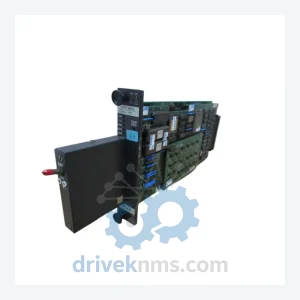
YOKOGAWA NP53*C Basic MFCU Processor Card – CENTUM VP/CS3000 DCS
Yokogawa NP53*C is listed for CENTUM VP RFQ review. Confirm quantity, condition and destination before quotation.
RFQ-ready industrial model
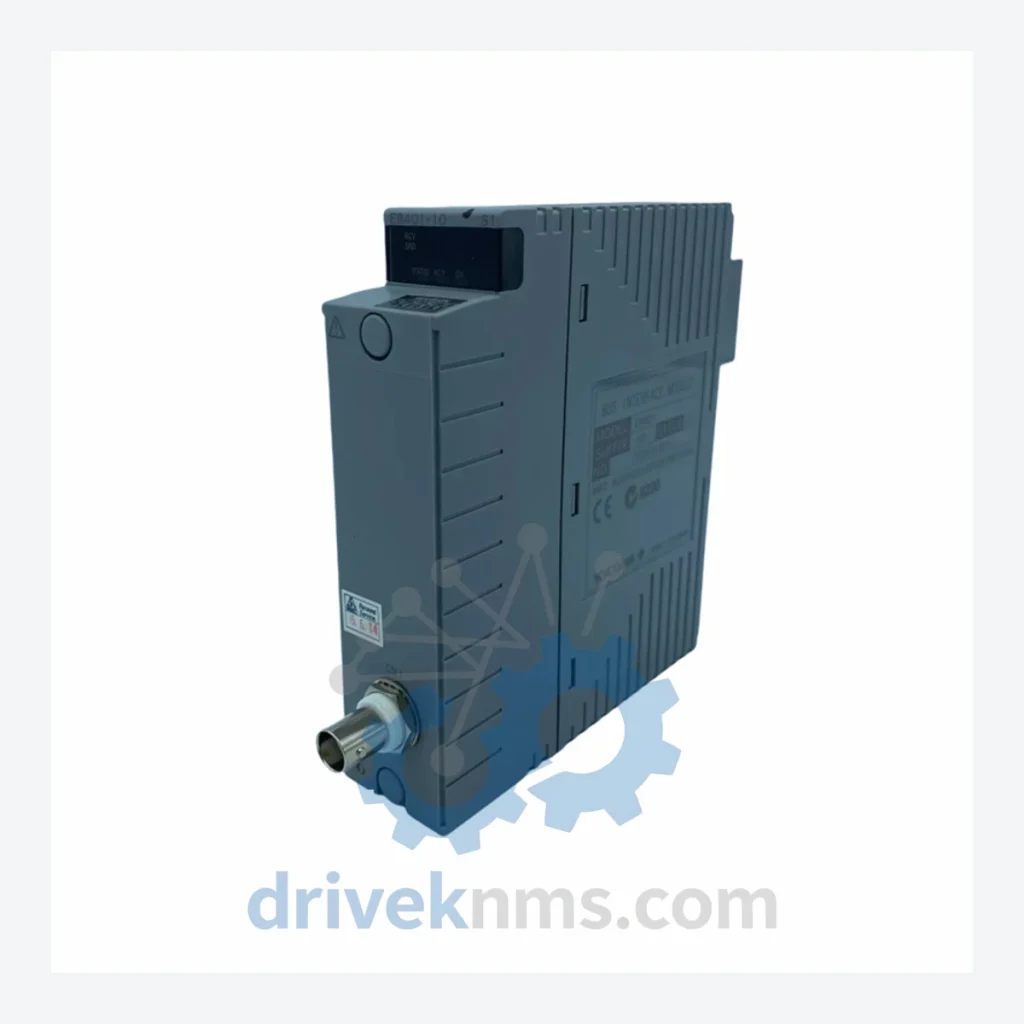
Model: EB401-10
Product Overview
Commercial availability is handled through direct RFQ, model verification and export-oriented follow-up rather than public cart checkout.
Datasheet Preview
Use attached product manuals when available. If the manual is not public yet, request the full file directly through RFQ.
Commercial Path
Product pages on DRIVEKNMS are designed to verify model, brand and series first, then move the buyer into one clean quotation path.
Technical Dossier
The YOKOGAWA EB401 series comprises field bus interface master modules designed for integration within YOKOGAWA's CENTUM VP distributed control system (DCS) and compatible platform architectures. These modules serve as the communication backbone between the control bus and field devices in process-critical environments including petroleum refining, chemical processing, nuclear power generation, and LNG facilities. The EB401-10 specifically functions as an interface master module that manages data exchange across the Vnet/IP or ESB (Enhanced Signal Bus) network layers. Installed base of the EB401 series spans multiple decades of continuous operation across Asia-Pacific, Middle East, and European heavy industrial sites, making long-term spare parts availability a primary operational concern for plant maintenance engineers.
The EB401 series was introduced as part of YOKOGAWA's transition from the legacy CENTUM XL and CENTUM CS platforms toward the unified CENTUM VP architecture. Early-generation EB modules operated on the proprietary ESB (Enhanced Signal Bus) protocol, which provided deterministic real-time communication at the field I/O level. As YOKOGAWA migrated its control network to Vnet/IP (an Ethernet-based, IEC 61784-compliant fieldbus), the EB401 series was updated to support dual-redundant network topologies, enabling hot-standby configurations without process interruption.
Compatibility constraints are a known engineering challenge: EB401-series modules are not directly interchangeable with the earlier EB201 or EB301 series without firmware and backplane verification. Integration with third-party FOUNDATION Fieldbus H1 or PROFIBUS DP segments requires the corresponding gateway modules (e.g., ALF111, PRM-integrated nodes). Plants running CENTUM VP R4.xx or earlier firmware must validate module revision levels before substitution. The EB401-10 variant specifically targets the 10-slot node configuration, distinguishing it from the EB401-6 (6-slot) and EB401-3 (3-slot) variants used in smaller remote I/O cabinets.
The following SKUs represent verified models within the YOKOGAWA EB401 and closely related EB-series interface module family. Each entry reflects a distinct hardware configuration or slot-count variant used in CENTUM VP and compatible DCS node architectures.
EB401-10: Interface master module, 10-slot ESB/Vnet node configuration
EB401-6: Interface master module, 6-slot compact node variant
EB401-3: Interface master module, 3-slot minimal footprint node
EB501-10: Next-generation interface master, 10-slot, enhanced Vnet/IP throughput
EB501-6: Next-generation interface master, 6-slot, Vnet/IP dual-redundant
EB301-10: Legacy ESB interface master, 10-slot, CENTUM CS compatible
EB301-6: Legacy ESB interface master, 6-slot, predecessor to EB401-6
ALF111: FOUNDATION Fieldbus H1 interface module, EB-node compatible
AAI141-S00: Analog input module, 16-ch, 4–20 mA, for EB401 node
AAI841-S00: Analog input/output combo, 8-ch AI + 8-ch AO, EB401 node
AAB841-S00: Analog I/O module, HART-enabled, 8-ch, EB401 compatible
ADV151-P00: Digital input module, 32-ch, 24 VDC, EB401 node
ADV551-P00: Digital output module, 32-ch, transistor, EB401 node
ADV161-P00: Digital input module, 16-ch, 100–120 VAC, EB401 node
AIP835-S00: Pulse input module, 8-ch, for flow/speed measurement, EB401
AWF10D-E: Node power supply unit, 24 VDC output, EB401/EB501 compatible
AWF10D-R: Redundant node power supply, hot-swap capable, EB401 series
EB401-10 (Revision B): Hardware revision with updated backplane bus controller IC
The EB401-10 and related interface master modules incorporate a multi-layer backplane bus controller and dual-port Vnet/IP communication ASIC. Standard visual inspection and power-on testing are insufficient to validate the functional integrity of these modules. DriveKNMS applies the following test protocol to all EB401-series units prior to dispatch:
Continue The Model Path
Move from this exact model into the matching system hub, brand archive, model-family archive or lifecycle sourcing route before sending a final RFQ list.
Related Paths
Yokogawa NP53*C is listed for CENTUM VP RFQ review. Confirm quantity, condition and destination before quotation.
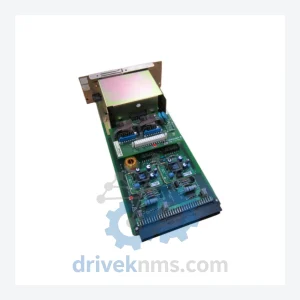
Yokogawa AIP502 is listed for Net Coupler Module RFQ review. Confirm quantity, condition and destination before quotation.
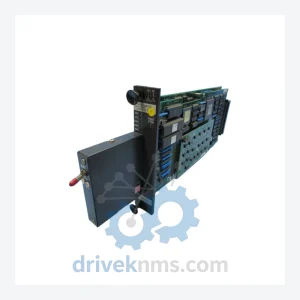
Yokogawa NP53*A is listed for Controller Cards RFQ review. Confirm quantity, condition and destination before quotation.