
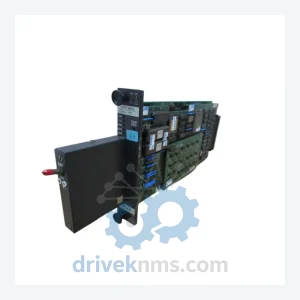
YOKOGAWA NP53*C Basic MFCU Processor Card – CENTUM VP/CS3000 DCS
Yokogawa NP53*C is listed for CENTUM VP RFQ review. Confirm quantity, condition and destination before quotation.
RFQ-ready industrial model
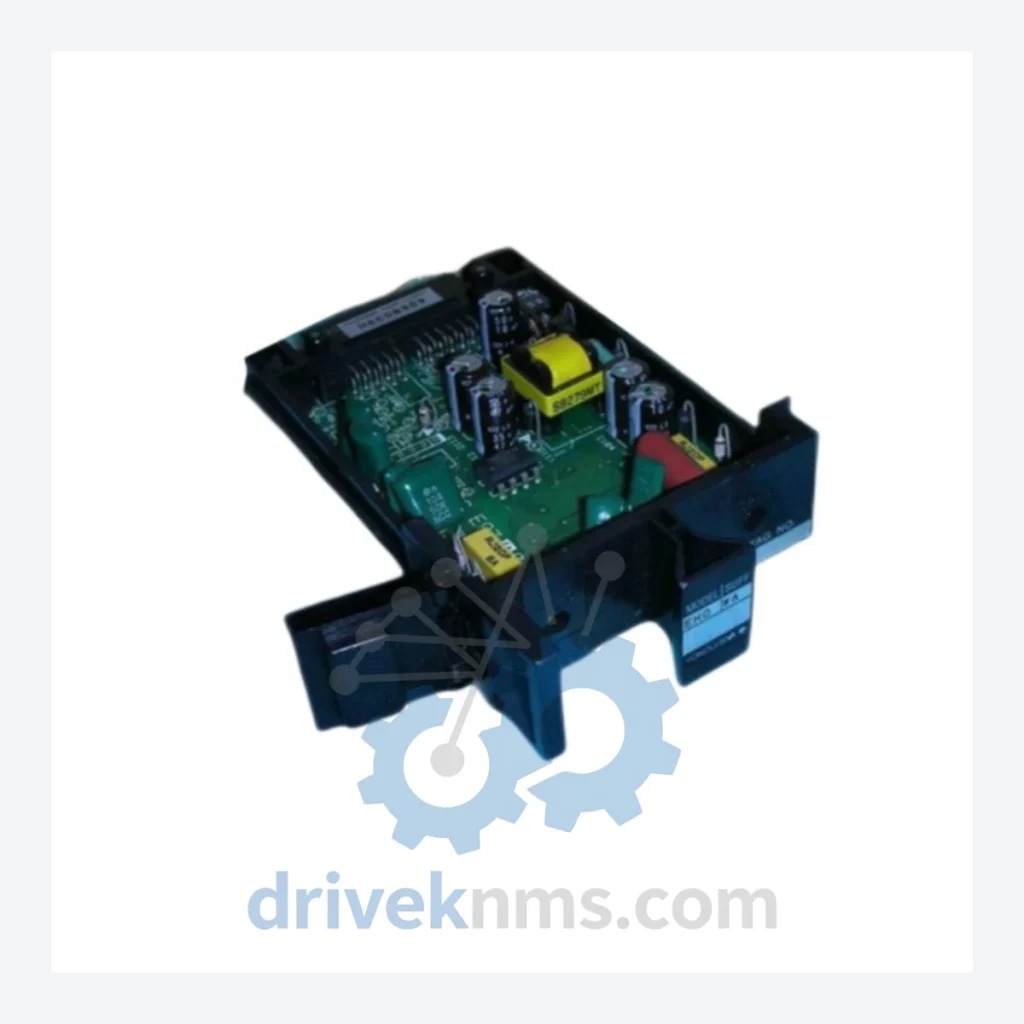
Model: EH0*A
Product Overview
Commercial availability is handled through direct RFQ, model verification and export-oriented follow-up rather than public cart checkout.
Datasheet Preview
Use attached product manuals when available. If the manual is not public yet, request the full file directly through RFQ.
Commercial Path
Product pages on DRIVEKNMS are designed to verify model, brand and series first, then move the buyer into one clean quotation path.
Technical Dossier
The YOKOGAWA EH0*A Output Isolator Card is a precision signal conditioning module deployed across global heavy industries including petrochemical refineries, nuclear power facilities, offshore platforms, and large-scale chemical processing plants. As part of YOKOGAWA's CENTUM DCS ecosystem, the EH0*A series provides galvanic isolation between field instrumentation and control system I/O buses, protecting sensitive control hardware from ground loops, voltage spikes, and common-mode interference. Its installation base spans decades of continuous operation in facilities where signal integrity is a non-negotiable safety requirement. The module is engineered to YOKOGAWA's industrial-grade reliability standards, with a design life exceeding 10 years under rated operating conditions. Its role in isolating 4–20 mA analog output signals makes it a critical component in any CENTUM CS/CS3000/VP distributed control architecture.
The following SKUs represent the verified EH0*A series and closely related YOKOGAWA output isolator and signal conditioning modules within the CENTUM DCS ecosystem. Each model is listed with its primary functional descriptor:
EH0*A: Analog output isolator card, 4–20 mA, galvanic isolation, CENTUM compatible
EH0AAA: Single-channel analog output isolator, standard range, DIN rail mount
EH0ABA: Dual-channel output isolator, extended temperature rating, panel mount
EH0ACA: Output isolator with HART pass-through, 4–20 mA, loop-powered
EH0ADA: High-density output isolator card, 8-channel, backplane bus interface
EH0AEA: Output isolator with diagnostics output, fault relay included
EH0AFA: Intrinsically safe output isolator, ATEX/IECEx certified, Zone 1
EH0AGA: Output isolator for redundant AO modules, hot-swap capable
EH0AHA: Voltage output isolator variant, 0–10 V DC, single-ended
EH0AJA: Output isolator with SIL 2 certification, safety instrumented systems
EH0AKA: Compact output isolator, 4-channel, CENTUM CS3000 node bus
EH0ALA: Output isolator with optical isolation barrier, high-noise environments
EH0AMA: Output isolator card, wide supply voltage range, 24–48 V DC
EH0ANA: Output isolator with built-in surge protection, field terminal block
EH0APA: Output isolator, legacy CENTUM V/XL compatible, direct replacement
EH0AQA: Output isolator with analog input monitoring, loop integrity check
EH0ARA: Output isolator, CE/UL/CSA certified, global compliance variant
YOKOGAWA EH0*A output isolator cards present specific quality verification challenges due to their analog signal path architecture and backplane bus interface. DriveKNMS applies the following test protocol to all EH0*A units prior to dispatch:
Visual Inspection: PCB surface examination for corrosion, capacitor bulge, solder joint integrity, and connector pin condition. Backplane edge connector pins are inspected under magnification for fretting corrosion, a common failure mode in modules subjected to thermal cycling.
Isolation Resistance Test: Hi-pot testing at rated isolation voltage (typically 500 V DC or 1500 V AC per channel pair) to verify galvanic isolation barrier integrity.
Signal Accuracy Verification: Each channel is driven with a calibrated 4–20 mA source and the output is measured against a traceable reference meter. Linearity error must be within ±0.1% of span.
HART Communication Check (where applicable): For HART-enabled variants, a HART communicator is used to verify pass-through signal integrity at 1200 baud.
Backplane Bus Simulation: Modules are inserted into a YOKOGAWA-compatible test rack and subjected to a functional node bus communication cycle to confirm register read/write integrity.
Burn-In: Units are powered continuously for a minimum of 24 hours at rated load prior to final inspection and packaging.
Continue The Model Path
Move from this exact model into the matching system hub, brand archive, model-family archive or lifecycle sourcing route before sending a final RFQ list.
Related Paths
Yokogawa NP53*C is listed for CENTUM VP RFQ review. Confirm quantity, condition and destination before quotation.
Yokogawa AIP502 is listed for Net Coupler Module RFQ review. Confirm quantity, condition and destination before quotation.
Yokogawa NP53*A is listed for Controller Cards RFQ review. Confirm quantity, condition and destination before quotation.