
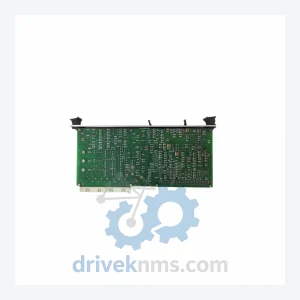
Yokogawa K9634DA-01 TCD Card Modules
Yokogawa K9634DA-01 is listed for Servo Drives RFQ review. Confirm quantity, condition and destination before quotation.
RFQ-ready industrial model
Model: NFDV161-P51 S2
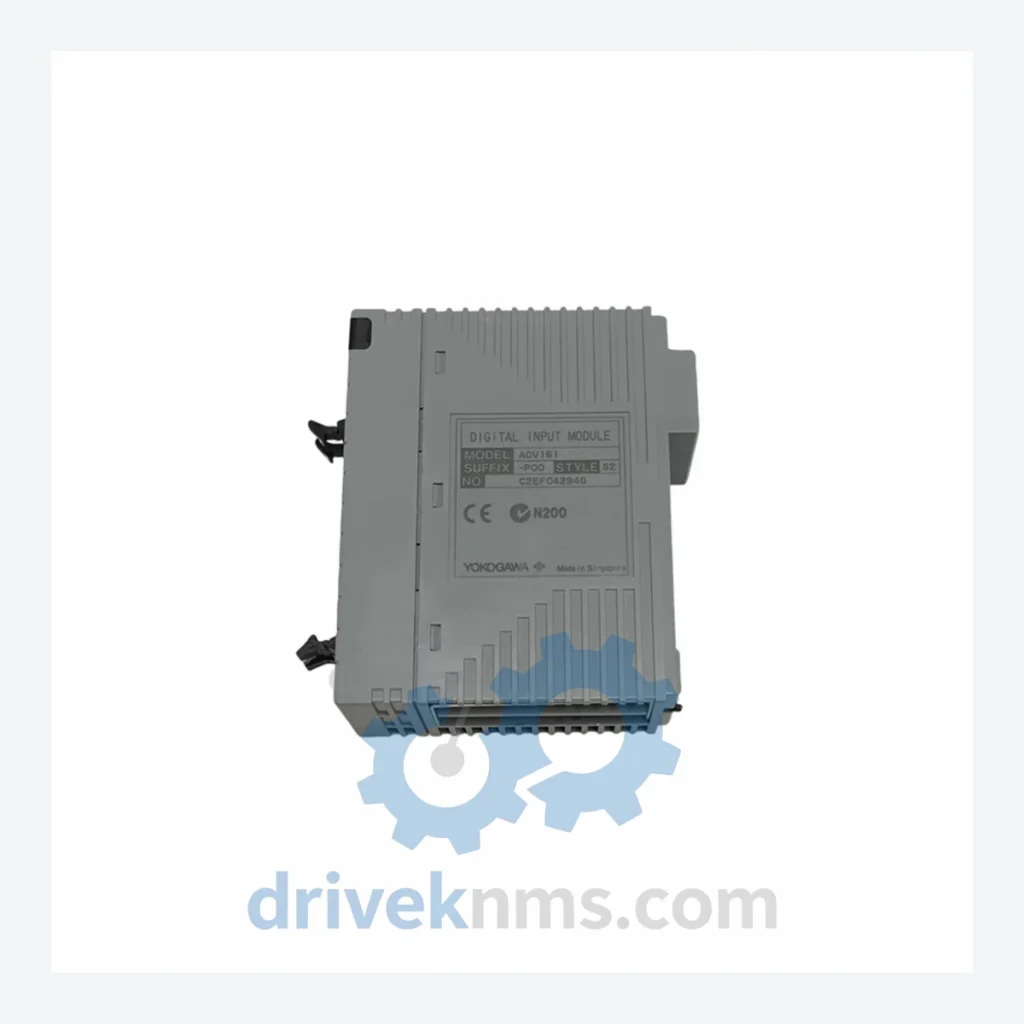
Product Overview
Commercial availability is handled through direct RFQ, model verification and export-oriented follow-up rather than public cart checkout.
Datasheet Preview
Use attached product manuals when available. If the manual is not public yet, request the full file directly through RFQ.
Commercial Path
Product pages on DRIVEKNMS are designed to verify model, brand and series first, then move the buyer into one clean quotation path.
Technical Dossier
The NFD module lineage originates from Yokogawa's CENTUM CS platform (introduced in the mid-1990s), where digital I/O was handled by discrete plug-in cards communicating over a proprietary ESB (Expanded Signal Bus). With the transition to CENTUM CS 3000 (released 1998), Yokogawa introduced the FIO bus-based architecture, and the NFD series was redesigned to operate as intelligent field I/O nodes with onboard diagnostics and HART pass-through capability on select models.
The CENTUM VP platform (released 2008) retained backward compatibility with the NFD module form factor, allowing existing CS 3000 installations to migrate to VP without replacing field wiring or I/O hardware — a critical design decision that extended the NFD series' installed base well into the 2020s. As of 2026, the NFD series is in the mature/end-of-active-production phase. Yokogawa has transitioned new projects to the CENTUM VP R6 platform with updated Vnet/IP-based I/O, but the NFD form factor remains the dominant installed base in brownfield sites. Long-term maintenance support, spare parts availability, and certified refurbished modules are the primary procurement requirement for this series.
Digital Input Modules
Digital Output Modules
Analog Input Modules
Analog Output Modules
Communication & Power
NFD series modules present specific test challenges due to their FIO bus communication protocol and onboard EEPROM configuration storage. DriveKNMS applies a multi-stage verification process: (1) Visual inspection for backplane connector wear, capacitor condition, and conformal coating integrity; (2) Powered bench test using a CENTUM VP R5/R6 test node to verify FIO bus enumeration and module self-diagnostics; (3) Channel-level functional test — each I/O channel is exercised at rated voltage/current to confirm signal acquisition or switching accuracy within Yokogawa's published tolerance bands; (4) HART communication verification on HART-capable analog modules using a calibrated HART communicator; (5) Final revision and firmware label check to confirm hardware revision compatibility with the target system software version. Modules that fail any stage are quarantined and not offered for sale.
Continue The Model Path
Move from this exact model into the matching system hub, brand archive, model-family archive or lifecycle sourcing route before sending a final RFQ list.
Related Paths
Yokogawa K9634DA-01 is listed for Servo Drives RFQ review. Confirm quantity, condition and destination before quotation.
Yokogawa UT350 UT350-01 is listed for Servo Drives RFQ review. Confirm quantity, condition and destination before quotation.
Yokogawa K9403JA-02 is listed for Servo Drives RFQ review. Confirm quantity, condition and destination before quotation.