
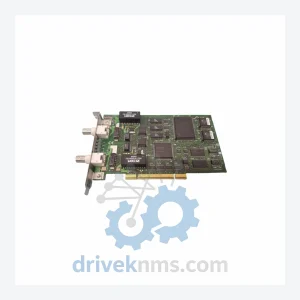
Yokogawa VF701 Series Modules VF701 S3 / VF701 S1 Communication Card
Yokogawa VF701 S3/VF701 S1 is listed for VF701 Series RFQ review. Confirm quantity, condition and destination before quotation.
RFQ-ready industrial model
Model: NT225AA
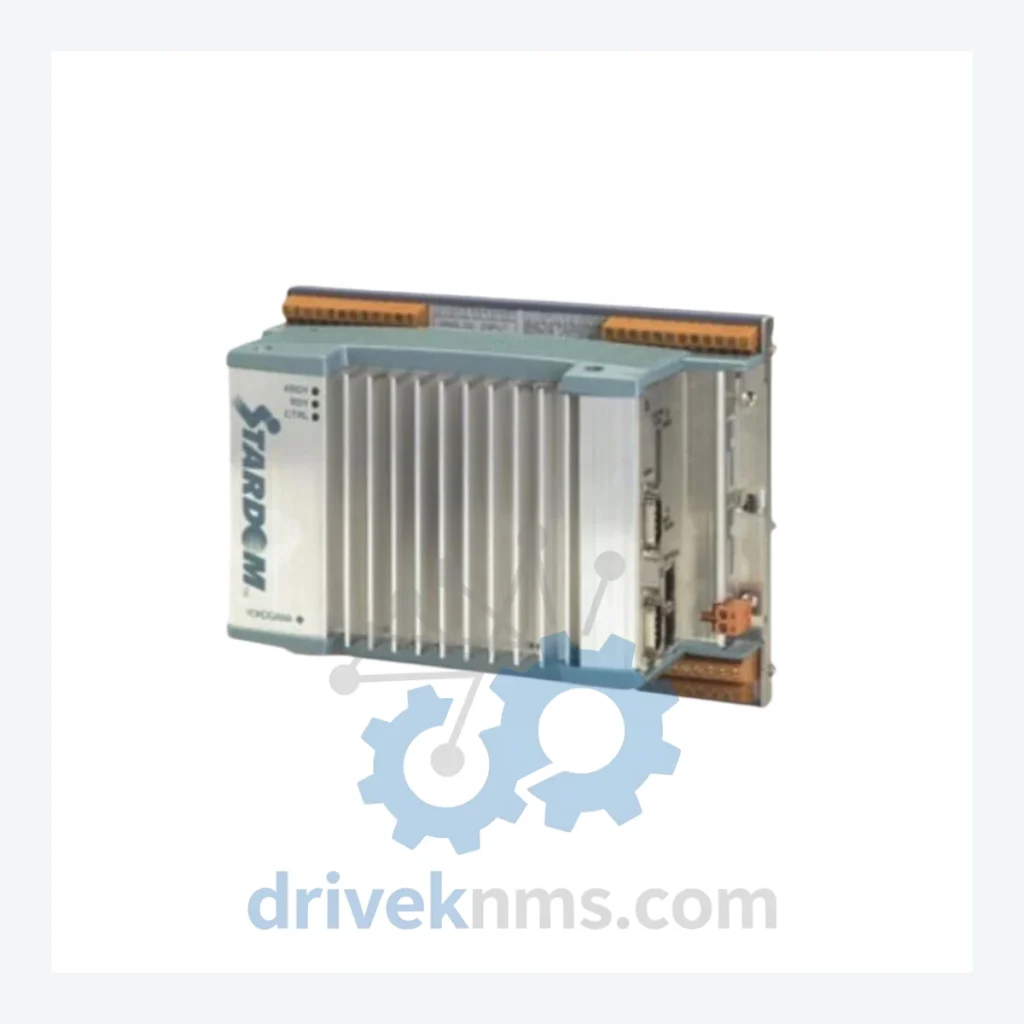
Product Overview
Commercial availability is handled through direct RFQ, model verification and export-oriented follow-up rather than public cart checkout.
Datasheet Preview
Use attached product manuals when available. If the manual is not public yet, request the full file directly through RFQ.
Commercial Path
Product pages on DRIVEKNMS are designed to verify model, brand and series first, then move the buyer into one clean quotation path.
Technical Dossier
DriveKNMS reviews sourcing status and documentation for this model during RFQ handling before quotation.
RFQ support for obsolete parts: Send the model number, required quantity and destination so DriveKNMS can confirm sourcing options before quotation.
| Parameter | Detail |
|---|---|
| Part Number | NT225AA |
| Manufacturer | Yokogawa Electric Corporation |
| Compatible Platform | Yokogawa FCN / FCJ Autonomous Controller |
| Module Function | Communication / Network Interface Card |
| Country of Origin | Japan |
| Product Status | Discontinued / Obsolete – No longer manufactured |
| Condition Available | New surplus / Professionally refurbished |
Note: Electrical parameters not independently verified. Specifications are based on platform documentation. No parameters have been fabricated. Contact us for datasheet confirmation prior to installation.
Plant managers operating FCN/FCJ-based control systems face a structural dilemma. The installed base is too large and too deeply integrated to retire without significant capital expenditure. Yet every year that passes without a verified spare inventory increases the probability of an unplanned outage caused by a single failed card.
The NT225AA sits at the communication layer of the FCN/FCJ node. It handles data exchange between the controller and the network infrastructure. A failure at this layer does not degrade performance gradually — it causes an abrupt loss of communication, triggering process shutdowns and safety system responses. There is no software workaround. There is no compatible substitute from the current Yokogawa catalog. The only viable path is a direct hardware replacement with an NT225AA unit.
Facilities that have extended FCN/FCJ system life by 5 to 10 years beyond the original end-of-support date share a common operational discipline: they maintain a verified cold-spare inventory of critical modules, sourced from specialist distributors with documented QA processes. The cost of holding two or three NT225AA units as insurance is measured in thousands of dollars. The cost of an unplanned outage on a process line — in lost production, emergency engineering fees, and regulatory exposure — is measured in multiples of that figure per day.
The decision to source and hold obsolete spare parts is not a maintenance expense. It is an asset protection decision. The FCN/FCJ system represents a capital investment that continues to deliver process value. Protecting that investment with a verified spare inventory is the lowest-cost strategy available to operations management facing system retirement pressure.
DriveKNMS applies a 5-stage inspection protocol to all obsolete modules before they are offered for sale. This process is designed specifically for legacy hardware where manufacturing support no longer exists and field failure carries disproportionate operational risk.
Stage 1 – Visual and Physical Inspection: Full board examination for mechanical damage, corrosion, pin deformation, and solder joint integrity. Any unit showing physical compromise is rejected at this stage.
Stage 2 – Electrolytic Capacitor Assessment: Electrolytic capacitors are the primary failure point in aged electronics. Each capacitor is evaluated for bulging, leakage, and ESR deviation. Units with capacitor degradation are either recapped with matched-specification components or rejected.
Stage 3 – Firmware and Label Verification: Where accessible, firmware revision is confirmed against known FCN/FCJ compatibility matrices. Hardware revision markings and serial number formats are cross-referenced against Yokogawa production records to confirm authenticity.
Stage 4 – Pin and Connector Inspection: Backplane connector pins are inspected under magnification for oxidation, micro-fractures, and contact surface wear. Affected pins are treated or the unit is rejected.
Stage 5 – Functional Bench Test: Where test infrastructure permits, units are powered and subjected to communication protocol verification before packaging.
Units that complete all five stages are classified as either New Surplus (original factory packaging, uninstalled) or Professionally Refurbished (inspected, reconditioned, and cleared for service). Classification is documented and disclosed at point of sale.
The NT225AA is a direct hardware replacement for the FCN/FCJ communication slot. It requires no firmware modification, no re-engineering of the controller configuration, and no changes to the network topology. Installation follows the standard FCN/FCJ module swap procedure documented in the Yokogawa field maintenance manual.
Holding a verified NT225AA spare eliminates the single-point-of-failure risk at the communication layer of your FCN/FCJ node. It converts an uncontrolled risk into a managed maintenance event.
Q: How do I know the unit is genuine and not a counterfeit?
A: All NT225AA units sourced by DriveKNMS are verified against Yokogawa hardware revision records and serial number formats during our Stage 3 inspection. We do not source from unverified secondary markets. Provenance documentation is available on request.
Q: Should I buy more than one unit?
A: For any FCN/FCJ installation where the NT225AA is a single point of failure, holding a minimum of one cold spare is standard risk management practice. For facilities with multiple FCN/FCJ nodes, a proportional spare ratio should be calculated based on node count and criticality. We can assist with a spare parts planning consultation — contact us directly.
Q: Is this part compatible with all FCN/FCJ variants?
A: Compatibility depends on the specific FCN/FCJ hardware revision and software version in your installation. We recommend providing your system's hardware revision and software version when inquiring so we can confirm compatibility before dispatch review.
Continue The Model Path
Move from this exact model into the matching system hub, brand archive, model-family archive or lifecycle sourcing route before sending a final RFQ list.
Related Paths
Yokogawa VF701 S3/VF701 S1 is listed for VF701 Series RFQ review. Confirm quantity, condition and destination before quotation.
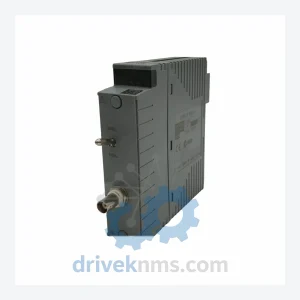
Yokogawa VC401-10 is listed for Communication Modules RFQ review. Confirm quantity, condition and destination before quotation.
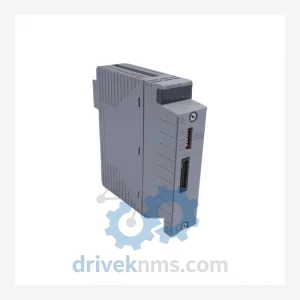
Yokogawa SB401-51 is listed for Communication Modules RFQ review. Confirm quantity, condition and destination before quotation.