
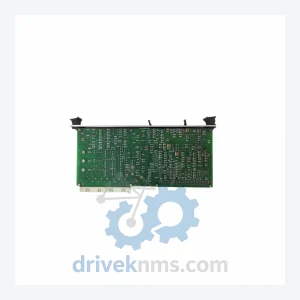
Yokogawa K9634DA-01 TCD Card Modules
Yokogawa K9634DA-01 is listed for Servo Drives RFQ review. Confirm quantity, condition and destination before quotation.
RFQ-ready industrial model
Model: SCP451-11 S1
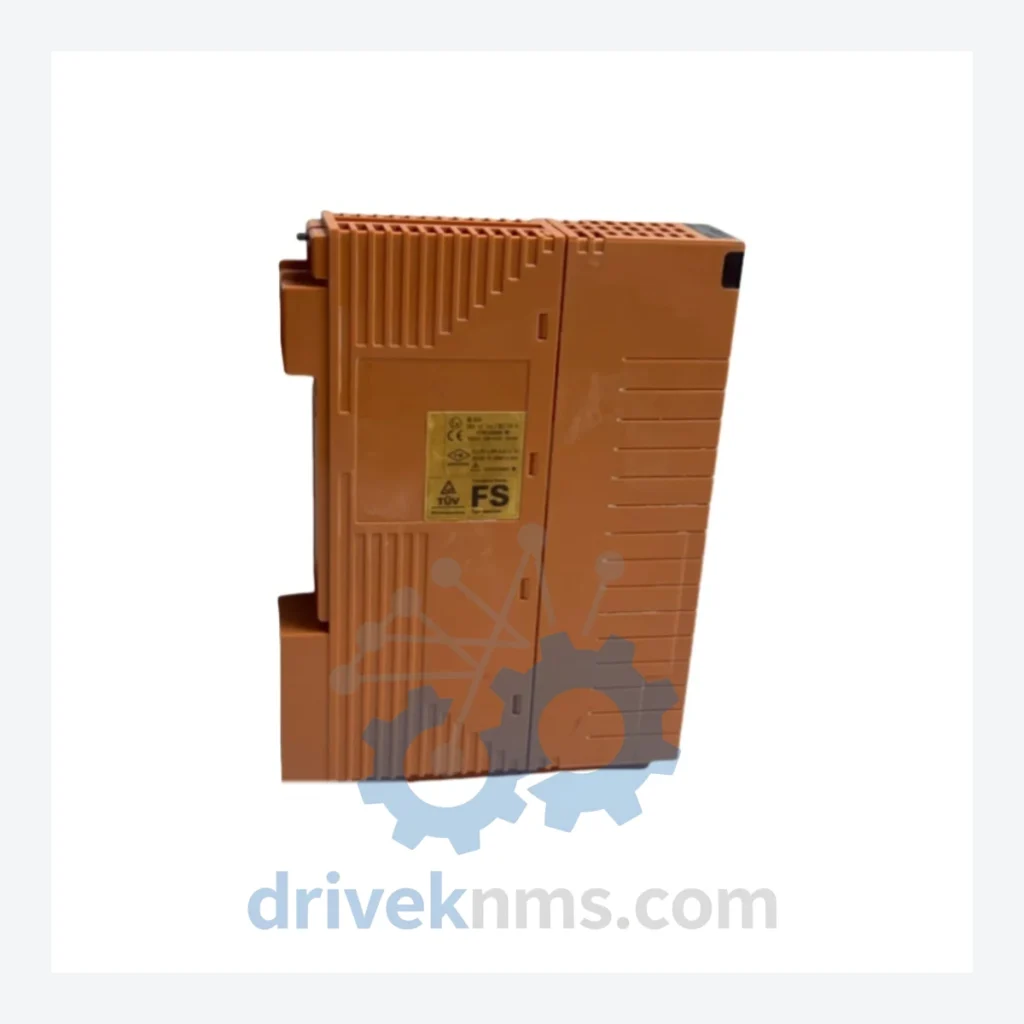
Product Overview
Commercial availability is handled through direct RFQ, model verification and export-oriented follow-up rather than public cart checkout.
Datasheet Preview
Use attached product manuals when available. If the manual is not public yet, request the full file directly through RFQ.
Commercial Path
Product pages on DRIVEKNMS are designed to verify model, brand and series first, then move the buyer into one clean quotation path.
Technical Dossier
The Yokogawa SCP451 series is a line of Signal Conditioning Processors developed for the CENTUM CS/CS3000/VP Distributed Control System (DCS) platform. These modules occupy a critical position in global heavy industry installations, including petrochemical complexes, nuclear power facilities, oil refineries, and large-scale chemical plants. The SCP451 functions as the primary signal interface layer between field instrumentation and the DCS control bus, handling analog input conditioning, signal linearization, and real-time data conversion. Its ruggedized design and deterministic scan cycle make it a standard specification in engineering procurement for continuous-process industries where signal integrity and uptime are non-negotiable requirements.
The SCP451 series was introduced as part of Yokogawa's CENTUM CS platform in the mid-1990s, designed to replace discrete signal conditioning hardware with a unified, bus-integrated module format. Early variants operated on the V-net/RIO (Remote I/O) communication bus, providing deterministic scan rates compatible with CENTUM CS supervisory controllers. As the platform evolved into CENTUM CS3000 and subsequently CENTUM VP, the SCP451 hardware architecture was retained with firmware revisions to maintain backward compatibility — a deliberate design decision that extended the operational lifespan of installed base equipment well beyond the original product lifecycle.
The suffix notation in SCP451 model numbers encodes hardware revision and configuration: the first numeric segment (e.g., -11, -12) denotes the module generation and channel configuration, while the suffix code (e.g., S1, S2) identifies the signal range and input type specification. This structured nomenclature is essential for procurement engineers performing like-for-like replacements in legacy DCS environments. As CENTUM VP has now entered its mature phase and Yokogawa has introduced the CENTUM VP R6 and OpreX Control and Safety System as successor platforms, the SCP451 series is classified as a mature/end-of-active-production product. Long-term maintenance support, including spare parts sourcing and repair services, is the primary procurement driver for this series.
The following SKUs represent verified models within the Yokogawa SCP451 signal conditioning processor series, organized by functional classification:
Analog Input Signal Conditioning
Analog Output Signal Conditioning
Pulse / Frequency Input
Power Supply & Auxiliary
SCP451 modules incorporate a multi-layer backplane bus interface and a dedicated signal conditioning ASIC that requires functional verification beyond standard power-on testing. DriveKNMS applies the following test protocol to all SCP451 units prior to dispatch:
Continue The Model Path
Move from this exact model into the matching system hub, brand archive, model-family archive or lifecycle sourcing route before sending a final RFQ list.
Related Paths
Yokogawa K9634DA-01 is listed for Servo Drives RFQ review. Confirm quantity, condition and destination before quotation.
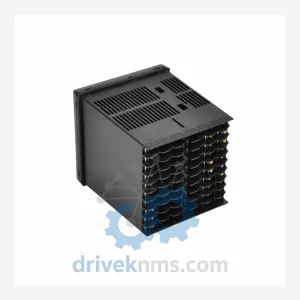
Yokogawa UT350 UT350-01 is listed for Servo Drives RFQ review. Confirm quantity, condition and destination before quotation.
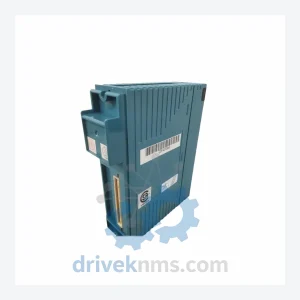
Yokogawa NFDR541-P00 S2 is listed for Servo Drives RFQ review. Confirm quantity, condition and destination before quotation.