
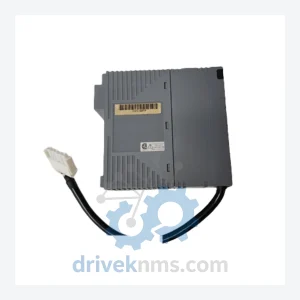
Yokogawa PW441-11 S2 Power Supply Module – Obsolete CENTUM CS/CS3000 Spare Part
Yokogawa PW441-11 S2 is listed for CENTUM CS/CS3000 RFQ review. Confirm quantity, condition and destination before quotation.
RFQ-ready industrial model
Model: SDV144-S13 S1
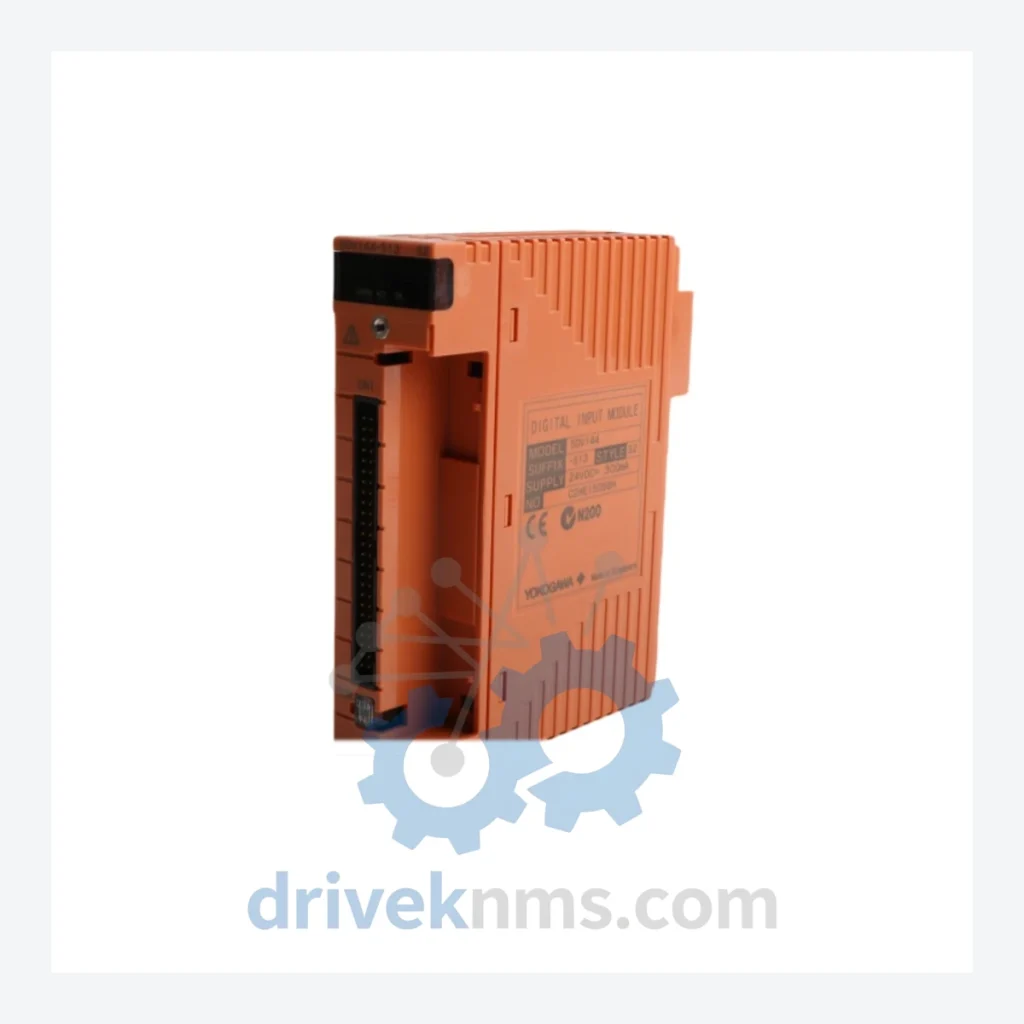
Product Overview
Commercial availability is handled through direct RFQ, model verification and export-oriented follow-up rather than public cart checkout.
Datasheet Preview
Use attached product manuals when available. If the manual is not public yet, request the full file directly through RFQ.
Commercial Path
Product pages on DRIVEKNMS are designed to verify model, brand and series first, then move the buyer into one clean quotation path.
Technical Dossier
RFQ support for obsolete parts: Send the model number, required quantity and destination so DriveKNMS can confirm sourcing options before quotation.
Note: Electrical parameters not confirmed from official documentation are intentionally omitted. Specifications are verified against physical units prior to shipment.
Q: How are RFQ terms confirmed?
A: Quantity, required condition, documentation needs, destination and sourcing route are confirmed during RFQ review before quotation.
Facilities operating CENTUM CS or CS3000 systems can realistically extend productive asset life by five to ten years through disciplined spare parts management, without committing to a full DCS migration. The following approach is used by maintenance teams that have successfully deferred modernization costs:
4. Firmware version control: CENTUM CS3000 systems are sensitive to firmware mismatches between modules. Before deploying any replacement SDV144-S13 S1, confirm the firmware revision matches the system's current configuration. DriveKNMS verifies firmware versions as part of the pre-shipment QA process.
5. Vendor consolidation: Sourcing obsolete Yokogawa parts from multiple unvetted brokers introduces counterfeit and misrepresentation risk. Establish a relationship with one qualified supplier who can provide traceability documentation and consistent QA standards.
This strategy does not require capital approval for new infrastructure. It requires procurement discipline and a clear-eyed assessment of what a production stoppage actually costs.
Every SDV144-S13 S1 unit shipped by DriveKNMS passes a five-stage inspection protocol before it leaves our facility:
Step 1 – Visual and mechanical inspection: Full examination of the PCB, connector pins, and housing for physical damage, corrosion, or evidence of prior field failure. Units with pin corrosion or burn marks are rejected at this stage.
Step 2 – Electrolytic capacitor assessment: Capacitor aging is the primary failure mode in legacy DCS modules stored for extended periods. Each unit is assessed for capacitor condition; units showing visible bulging, electrolyte leakage, or ESR values outside tolerance are quarantined.
Step 4 – Functional bench test: Where test fixtures are available for the SDV144-S13 S1 platform, units are powered and tested for correct I/O response. Test results are logged and available on request.
Step 5 – Packaging and ESD protection: Units are packaged in anti-static bags with foam cushioning. Shipment documentation includes the QA checklist, firmware version record, and unit serial number where available.
Drop-in replacement: The SDV144-S13 S1 installs directly into the existing CENTUM CS/CS3000 chassis slot. No cabinet modifications, no field wiring changes, no re-engineering of the control strategy.
No reprogramming required: The module reads its configuration from the system's existing engineering database. Replacement does not require a control engineer on-site for software work, which eliminates a significant portion of the labor cost associated with hardware failures.
Avoids engineering reconstruction costs: Migrating away from CENTUM CS3000 to a current Yokogawa CENTUM VP or third-party platform requires full I/O remapping, loop checkout, and functional acceptance testing. For a mid-size process unit, this work typically takes weeks and requires production shutdown. A spare SDV144-S13 S1 eliminates that exposure entirely.
Q: How is condition confirmed before quotation?
A: Available condition, photos, test records and documentation are checked according to the requested model and sourcing channel before a formal RFQ response.
Q: How do I know the unit is genuine Yokogawa and not a counterfeit?
A: We provide physical inspection photographs, serial number documentation where available, and firmware version records. We do not source from unverified brokers. Customers in regulated industries may request additional traceability documentation prior to purchase.
Q: Can you supply multiple units for a long-term spares program?
A: Contact us directly to discuss quantity availability and long-term supply agreements. We work with plant engineering and procurement teams to structure spares programs that align with maintenance schedules and budget cycles.
Continue The Model Path
Move from this exact model into the matching system hub, brand archive, model-family archive or lifecycle sourcing route before sending a final RFQ list.
Related Paths
Yokogawa PW441-11 S2 is listed for CENTUM CS/CS3000 RFQ review. Confirm quantity, condition and destination before quotation.
Yokogawa FC11*A AS S9051BE-0 is listed for CENTUM CS/CS3000 RFQ review. Confirm quantity, condition and destination before quotation.
Yokogawa PW301 S4 is listed for CENTUM CS/CS3000 RFQ review. Confirm quantity, condition and destination before quotation.