
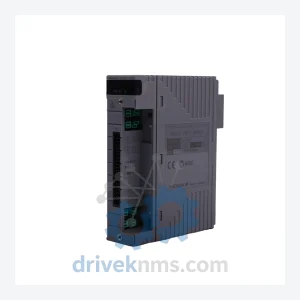
Yokogawa AAI141-S00 Analog Input Module – CENTUM VP S2 Series
Yokogawa AAI141-S00 is listed for CENTUM VP RFQ review. Confirm quantity, condition and destination before quotation.
RFQ-ready industrial model
Model: SDV144-S13 S2
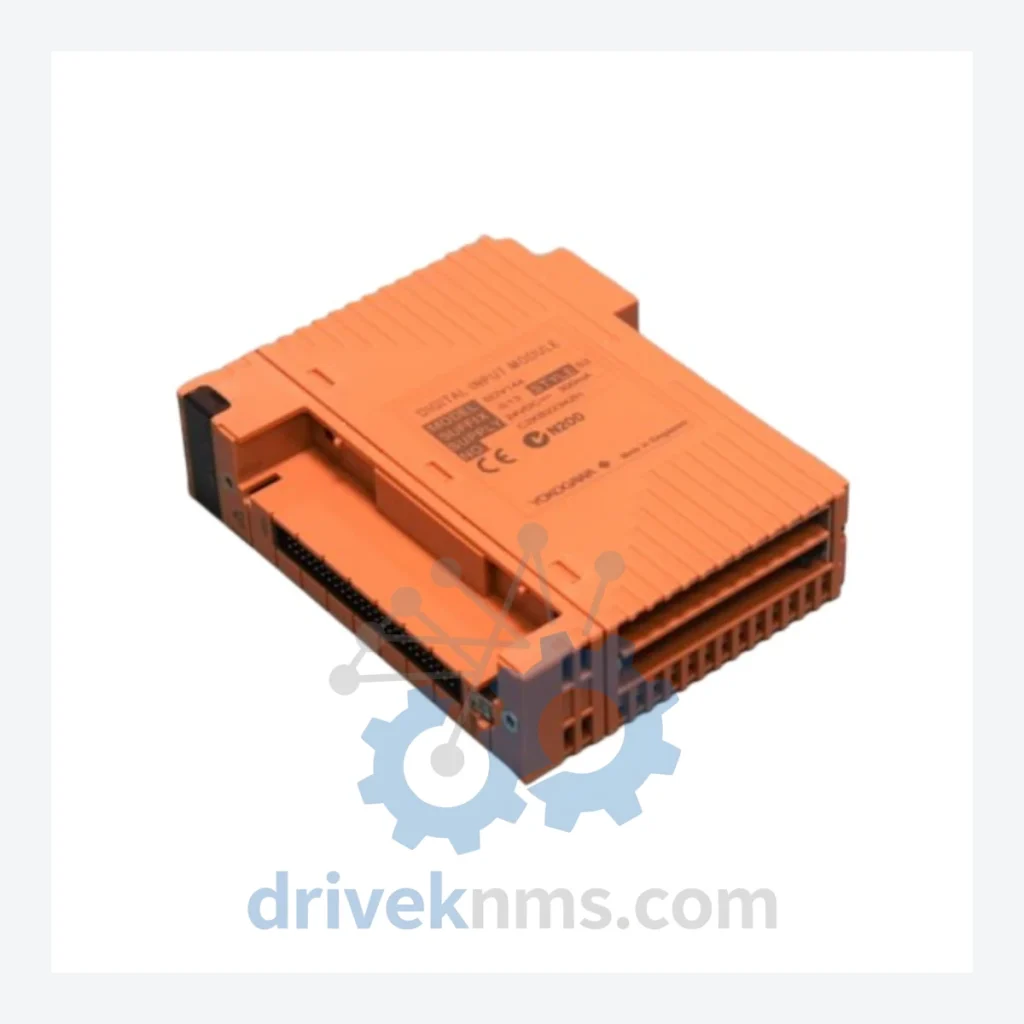
Product Overview
Commercial availability is handled through direct RFQ, model verification and export-oriented follow-up rather than public cart checkout.
Datasheet Preview
Use attached product manuals when available. If the manual is not public yet, request the full file directly through RFQ.
Commercial Path
Product pages on DRIVEKNMS are designed to verify model, brand and series first, then move the buyer into one clean quotation path.
Technical Dossier
The Yokogawa SDV Series represents a core family of digital I/O interface modules deployed within the Yokogawa CENTUM CS 3000 and CENTUM VP Distributed Control Systems (DCS). These modules serve as the primary signal interface layer between field instrumentation and the DCS controller bus, and have accumulated decades of installed base across global heavy industries including petrochemical complexes, nuclear power facilities, crude oil refineries, LNG terminals, and continuous process manufacturing plants.
The SDV Series is engineered to Yokogawa's Vnet/IP and ESB (Enhanced Signal Bus) communication standards, ensuring deterministic scan cycle performance and high-integrity signal conditioning. Modules in this family are characterized by their plug-in node card architecture, which allows hot-swap replacement without process interruption in redundant configurations. The global installed base of CENTUM CS 3000 and CENTUM VP systems — estimated in the tens of thousands of units across more than 100 countries — makes the SDV Series one of the most strategically significant spare parts families in industrial automation.
The SDV module family traces its lineage to Yokogawa's CENTUM CS platform introduced in the mid-1990s. The original CS-series I/O architecture used parallel backplane communication with fixed-slot addressing. With the transition to CENTUM CS 3000 (released circa 1998), Yokogawa introduced the Node Unit (NU) architecture, where SDV-prefix modules became the standardized digital I/O node cards operating over the ESB bus at 10 Mbps.
The subsequent CENTUM VP platform (introduced 2008) retained full backward compatibility with CS 3000 SDV modules at the hardware level, allowing existing field wiring and node cards to be reused during controller upgrades. This architectural continuity is a defining characteristic of the SDV family and a primary reason for its longevity in the field. Later revisions introduced suffix designators (S1, S2, S3, S13) indicating hardware revision levels, firmware compatibility bands, and CE/ATEX certification variants. The S2 suffix on the SDV144-S13 S2 denotes a second-generation hardware revision with enhanced EMC compliance and updated ASIC firmware.
As of 2026, the CENTUM CS 3000 platform has entered its end-of-active-support phase, while CENTUM VP remains in active production. SDV modules compatible with CS 3000 are increasingly sourced through the secondary market, making verified spare parts inventory a critical operational requirement for plant maintenance teams.
The following SKUs represent verified models within the Yokogawa SDV Series, classified by functional category. Each model is a discrete node card designed for installation in the CENTUM CS 3000 or CENTUM VP Node Unit chassis.
Digital Input (DI) Modules
Digital Output (DO) Modules
Analog Input (AI) Modules
Analog Output (AO) Modules
Communication & Power
SDV Series modules incorporate a multi-layer backplane communication architecture that requires functional validation beyond simple power-on testing. DriveKNMS applies the following test protocol to all SDV Series units prior to shipment:
Continue The Model Path
Move from this exact model into the matching system hub, brand archive, model-family archive or lifecycle sourcing route before sending a final RFQ list.
Related Paths
Yokogawa AAI141-S00 is listed for CENTUM VP RFQ review. Confirm quantity, condition and destination before quotation.
Yokogawa AAM10 is listed for STARDOM RFQ review. Confirm quantity, condition and destination before quotation.
Yokogawa AAM50 is listed for CENTUM VP RFQ review. Confirm quantity, condition and destination before quotation.