
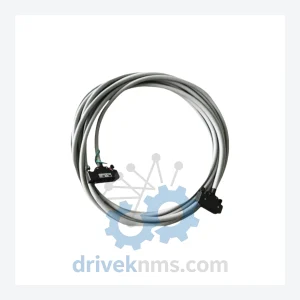
Yokogawa AKB335 Single Cable – Obsolete CENTUM Series Spare Part
Yokogawa AKB335 is listed for CENTUM Series RFQ review. Confirm quantity, condition and destination before quotation.
RFQ-ready industrial model
Model: SEA4D
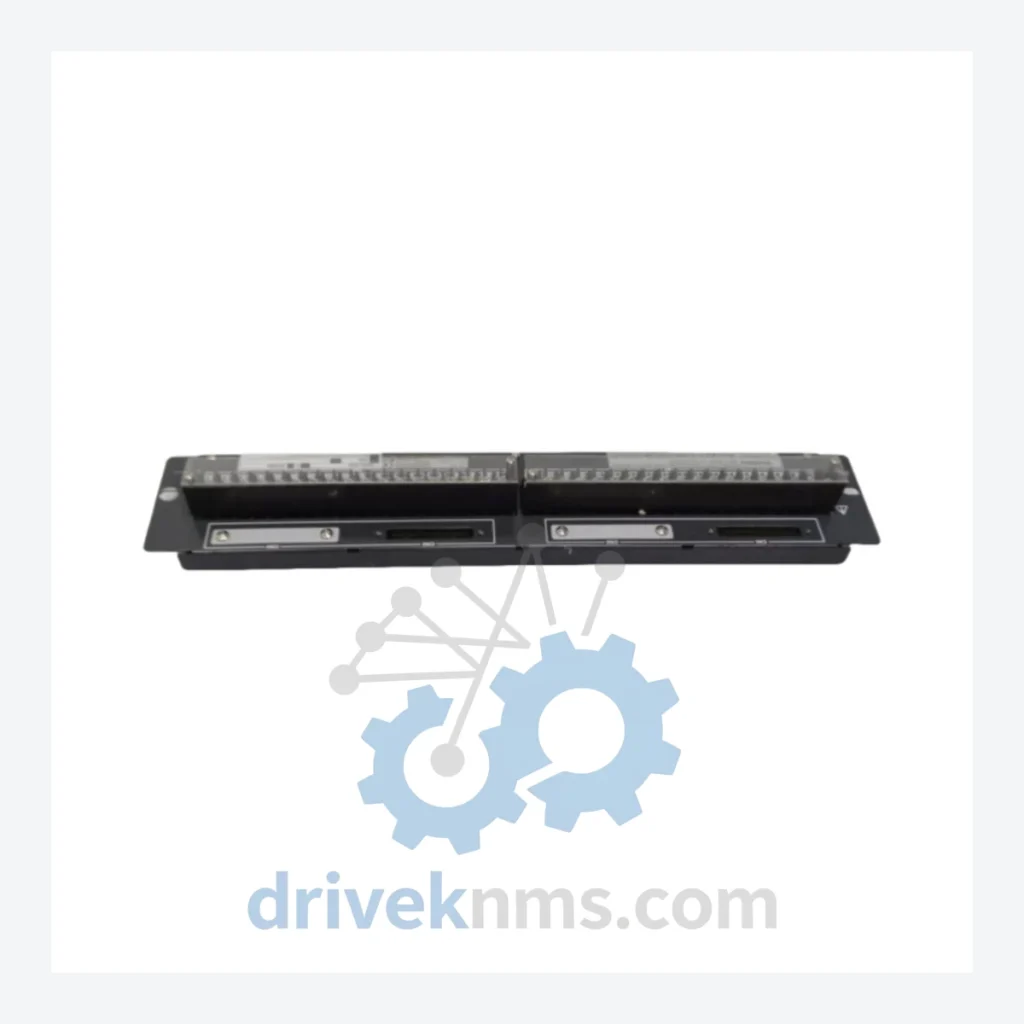
Product Overview
Commercial availability is handled through direct RFQ, model verification and export-oriented follow-up rather than public cart checkout.
Datasheet Preview
Use attached product manuals when available. If the manual is not public yet, request the full file directly through RFQ.
Commercial Path
Product pages on DRIVEKNMS are designed to verify model, brand and series first, then move the buyer into one clean quotation path.
Technical Dossier
DriveKNMS reviews sourcing options for this model during RFQ handling before quotation.
RFQ support for obsolete parts: Send the model number, required quantity and destination so DriveKNMS can confirm sourcing options before quotation.
Note: Specific electrical parameters (input range, channel count, signal type) are confirmed upon inquiry. No unverified specifications are published to protect equipment safety.
The Yokogawa CENTUM platform served as the backbone of process control in petrochemical, power generation, pulp and paper, and pharmaceutical facilities across Asia, Europe, and the Americas for decades. The SEA4D Analog Input Module was a core I/O component within these architectures — responsible for receiving field-level analog signals and converting them for DCS processing.
With Yokogawa having discontinued this module, plant engineers face a hard reality: the moment a SEA4D fails without a spare on hand, the affected control loop goes offline. Depending on the process, this can trigger a partial or full plant shutdown. The cost of a single unplanned outage in a continuous process facility — measured in lost production, emergency labor, and regulatory exposure — dwarfs the cost of maintaining a strategic spare inventory by orders of magnitude.
Facilities that have extended their CENTUM system life by 5 to 10 years beyond the original vendor support window have done so through one consistent practice: pre-positioning critical I/O spares before failures occur, not after. The SEA4D is precisely the type of module that should be held in reserve. It is not interchangeable with current-generation hardware without engineering intervention. Sourcing it after a failure, under time pressure, from unverified channels, introduces both operational and safety risk.
For plant managers and maintenance engineers operating under capital expenditure constraints, the calculus is straightforward: a verified SEA4D spare acquired today eliminates the risk of a forced system migration that no budget cycle has planned for.
Every SEA4D unit processed by DriveKNMS passes through a structured 5-step inspection protocol before it is offered for sale:
Q: Should we hold more than one SEA4D in reserve?
A: For facilities with multiple CENTUM systems or high-criticality loops, holding two to three units is standard practice. Given that this module is no longer manufactured, each unit acquired now reduces future sourcing risk. We recommend assessing the number of SEA4D slots in your installed base and maintaining a minimum of one spare per system.
Continue The Model Path
Move from this exact model into the matching system hub, brand archive, model-family archive or lifecycle sourcing route before sending a final RFQ list.
Related Paths
Yokogawa AKB335 is listed for CENTUM Series RFQ review. Confirm quantity, condition and destination before quotation.
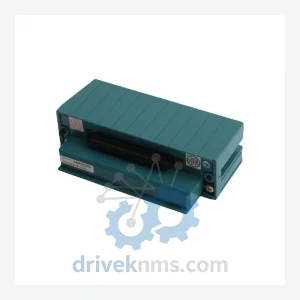
Yokogawa NFTI3S-00 S2 is listed for CENTUM Series RFQ review. Confirm quantity, condition and destination before quotation.
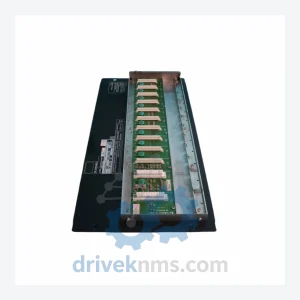
Yokogawa ANB10D-421 S1 is listed for CENTUM Series RFQ review. Confirm quantity, condition and destination before quotation.