
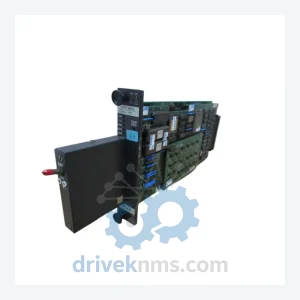
YOKOGAWA NP53*C Basic MFCU Processor Card – CENTUM VP/CS3000 DCS
Yokogawa NP53*C is listed for CENTUM VP RFQ review. Confirm quantity, condition and destination before quotation.
RFQ-ready industrial model
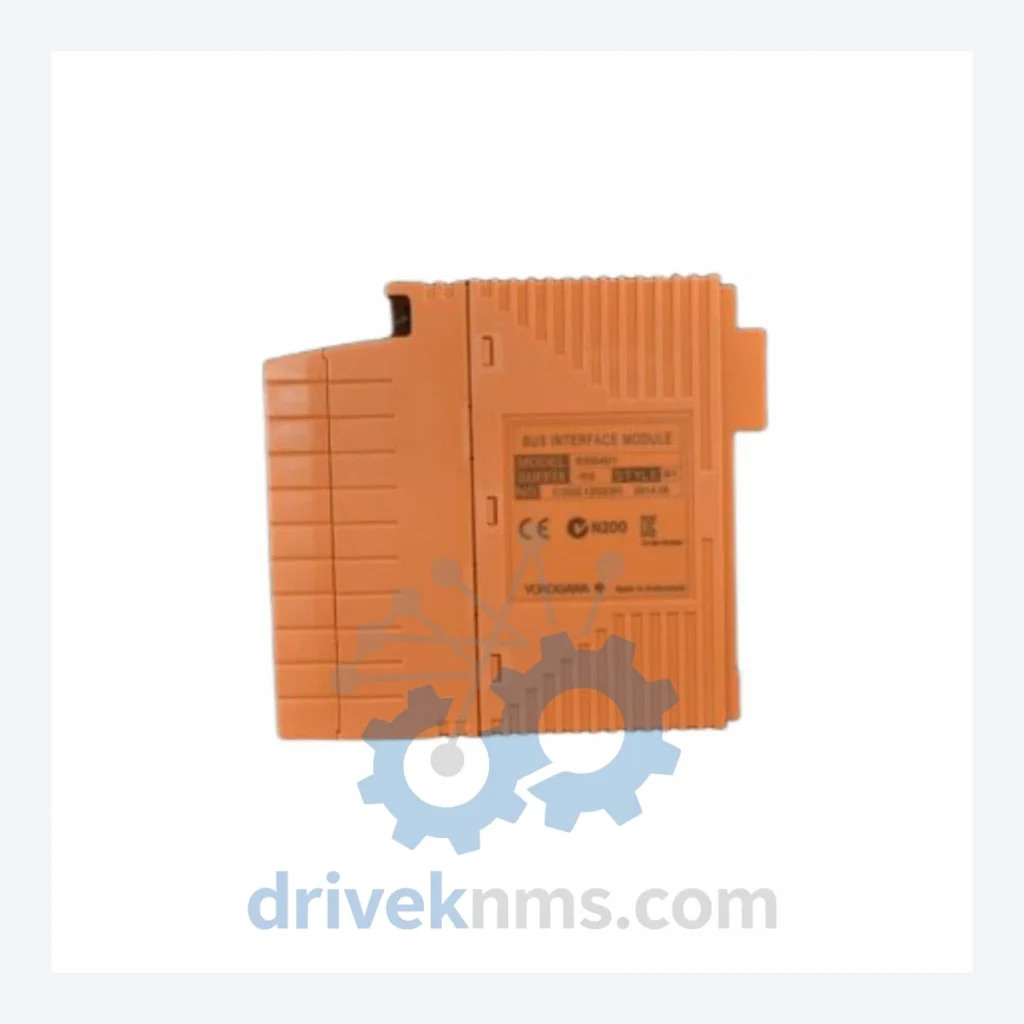
Model: SSB401-53 S1
Product Overview
Commercial availability is handled through direct RFQ, model verification and export-oriented follow-up rather than public cart checkout.
Datasheet Preview
Use attached product manuals when available. If the manual is not public yet, request the full file directly through RFQ.
Commercial Path
Product pages on DRIVEKNMS are designed to verify model, brand and series first, then move the buyer into one clean quotation path.
Technical Dossier
RFQ support for obsolete parts: Send the model number, required quantity and destination so DriveKNMS can confirm sourcing options before quotation.
| Parameter | Detail |
|---|---|
| Manufacturer | Yokogawa Electric Corporation |
| Part Number | SSB401-53 S1 |
| Module Type | Bus Interface Module |
| Compatible Platform | Yokogawa CENTUM Series DCS (CENTUM-XL, CENTUM CS, CENTUM CS 1000/3000) |
| Country of Origin | Japan |
| Discontinuation Status | Confirmed Discontinued – No longer manufactured or supported by Yokogawa |
| Typical Application | Field Control Station (FCS) bus communication interface |
Q: How are RFQ terms confirmed?
A: Quantity, required condition, documentation needs, destination and sourcing route are confirmed during RFQ review before quotation.
Facilities running CENTUM-XL or early CENTUM CS installations face a specific operational risk: a single failed bus interface card can isolate an entire FCS node, triggering a controlled shutdown of the process loop it governs. In continuous-process industries — where a cold restart of a reactor or distillation column carries its own cost and safety implications — this is not a theoretical risk. It is a scheduled maintenance failure waiting for a date.
The standard industry response to this situation is one of three paths: (1) accept the risk and run without a spare, (2) fund a full DCS migration, or (3) source verified legacy hardware from a specialist supplier. Path three is the only option that preserves capital, maintains process continuity, and defers the migration decision to a planned schedule rather than a forced emergency.
Extending the operational life of a CENTUM installation by 5 to 10 years through strategic spare parts procurement is a documented practice among asset-intensive industries. The cost of maintaining a critical spare inventory — including modules such as the SSB401-53 S1 — is typically less than 1% of the capital cost of a full platform migration. For a plant manager facing budget pressure and a system that is otherwise performing within specification, this is the defensible maintenance strategy.
Discontinued hardware sourced from secondary markets carries inherent risk. DriveKNMS applies a five-step qualification process to every legacy module before it is offered for sale:
Step 2 – Electrolytic Capacitor Assessment: Aged electrolytic capacitors are the primary failure mode in legacy PCBs stored beyond their design life. Each board is inspected for capacitor bulging, leakage, and ESR deviation. Boards with degraded capacitors are either reconditioned or rejected.
Step 3 – Firmware and Revision Verification: Where accessible, firmware revision and hardware revision markings are recorded and cross-referenced against known compatible revisions for the target platform. Revision mismatches are disclosed prior to sale.
Step 4 – Pin and Contact Corrosion Check: Backplane connector pins are inspected under magnification for oxidation and corrosion. Affected contacts are cleaned using approved methods; boards with structural corrosion are rejected.
Step 5 – Functional Verification: Where test infrastructure permits, modules undergo powered functional checks. Test results and condition grade (New Surplus / Refurbished / Tested Used) are documented and provided with each shipment.
Drop-in Replacement: The SSB401-53 S1 installs directly into the existing CENTUM FCS backplane slot. No hardware modification to the rack or adjacent modules is required.
No Reprogramming Required: Bus interface configuration in CENTUM architecture is managed at the FCS level. Replacing this module does not require re-engineering the control database or reloading application software, provided the replacement carries a compatible hardware revision.
Avoids Engineering Reconstruction Costs: A forced platform migration requires re-engineering every I/O tag, loop, and interlock in the affected FCS. For a mid-size FCS with several hundred I/O points, this engineering effort alone can exceed USD 200,000 before hardware procurement begins. A verified spare module eliminates this cost entirely.
Q: How is condition confirmed before quotation?
A: Available condition, photos, test records and documentation are checked according to the requested model and sourcing channel before a formal RFQ response.
Continue The Model Path
Move from this exact model into the matching system hub, brand archive, model-family archive or lifecycle sourcing route before sending a final RFQ list.
Related Paths
Yokogawa NP53*C is listed for CENTUM VP RFQ review. Confirm quantity, condition and destination before quotation.
Yokogawa AIP502 is listed for Net Coupler Module RFQ review. Confirm quantity, condition and destination before quotation.
Yokogawa NP53*A is listed for Controller Cards RFQ review. Confirm quantity, condition and destination before quotation.