
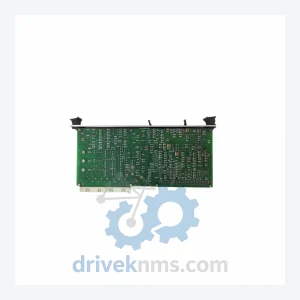
Yokogawa K9634DA-01 TCD Card Modules
Yokogawa K9634DA-01 is listed for Servo Drives RFQ review. Confirm quantity, condition and destination before quotation.
RFQ-ready industrial model
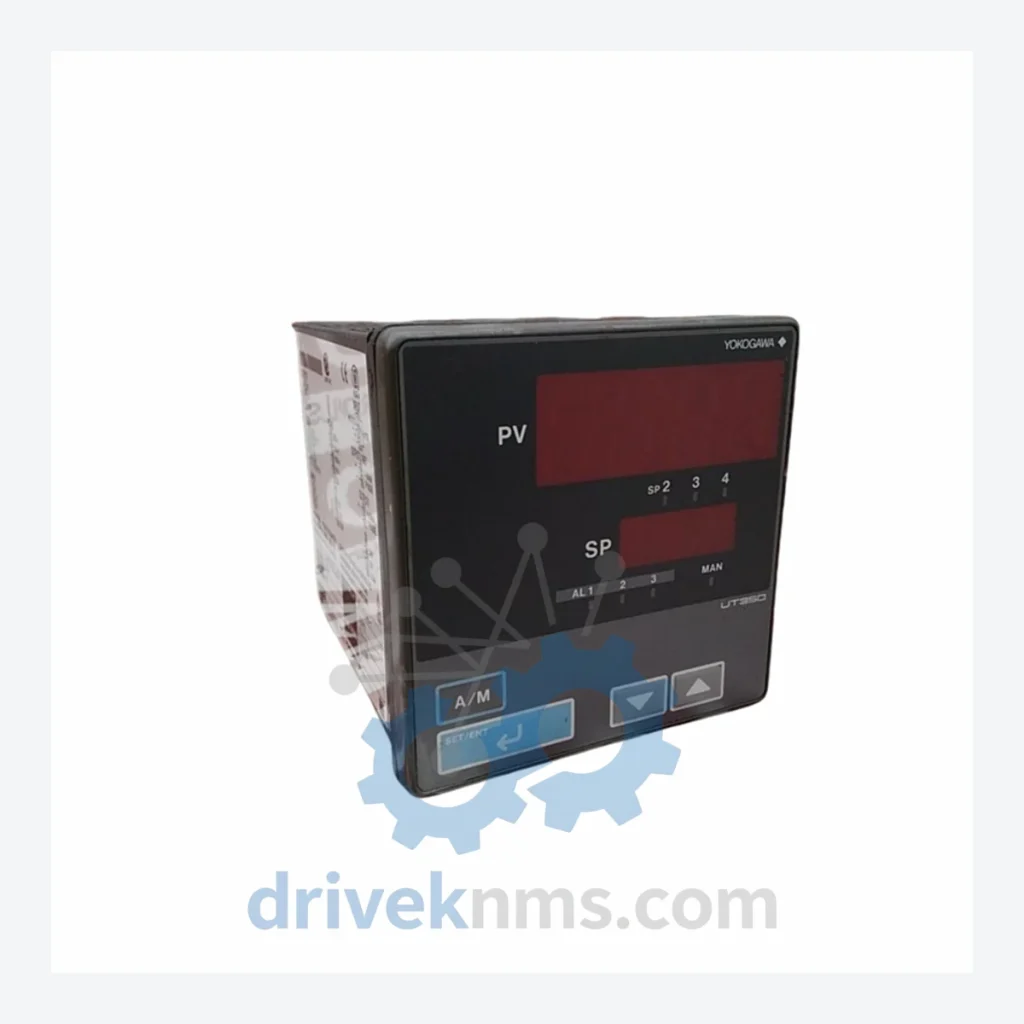
Model: UT350L-00
Product Overview
Commercial availability is handled through direct RFQ, model verification and export-oriented follow-up rather than public cart checkout.
Datasheet Preview
Use attached product manuals when available. If the manual is not public yet, request the full file directly through RFQ.
Commercial Path
Product pages on DRIVEKNMS are designed to verify model, brand and series first, then move the buyer into one clean quotation path.
Technical Dossier
DriveKNMS reviews sourcing options for this model through RFQ handling before quotation.
RFQ support for obsolete parts: Send the model number, required quantity and destination so DriveKNMS can confirm sourcing options before quotation.
| Parameter | Detail |
|---|---|
| Manufacturer | Yokogawa Electric Corporation |
| Model Number | UT350L-00 |
| Series | UT350 |
| Product Category | Single-Loop Temperature Controller |
| Discontinuation Status | Discontinued – No longer in production |
| Country of Origin | Japan |
| Display Type | Digital LED |
| Control Modes | PID, ON/OFF |
| Compatible Input Types | Thermocouple, RTD, DC voltage/current (model-dependent) |
| Communication | RS-485 (model-dependent) |
| Mounting | Panel mount, 1/4 DIN |
Note: Electrical parameters listed are based on published Yokogawa UT350 series documentation. Parameters specific to sub-variants should be verified against the original engineering drawings. DriveKNMS does not fabricate specifications.
The Yokogawa UT350 series was a workhorse of process temperature control across chemical, pharmaceutical, food processing, and power generation facilities throughout the 1990s and 2000s. Installed in large numbers during that era, these controllers are now embedded deep within production infrastructure — often managing critical loop control for reactors, kilns, heat exchangers, and sterilization systems.
Yokogawa has since transitioned its controller lineup to the UT series successors, and the UT350L-00 is no longer supported through standard channels. The problem this creates for plant engineering teams is structural: the UT350L-00 is wired, configured, and calibrated into a system that was never designed to accommodate a modern replacement without significant re-engineering. A like-for-like swap preserves loop tuning parameters, wiring terminations, and operator familiarity. A forced migration to a current-generation controller requires loop re-commissioning, potential PLC/DCS interface reconfiguration, and operator retraining — none of which is cheap or fast.
For facilities under pressure to defer capital expenditure, maintaining the existing UT350-based control architecture with verified spare parts is the operationally sound decision. A single UT350L-00 spare, properly stored, can extend the productive life of an entire control loop by 5 to 10 years — buying time for a planned, budgeted migration rather than an emergency one.
How to extend your automation asset life by 5–10 years with critical spare parts:
Discontinued parts sourced from secondary markets carry inherent risk. DriveKNMS applies a structured 5-step quality assurance process to every UT350L-00 unit before it is offered for sale:
Units that pass all five stages are classified as Tested Surplus or New Surplus depending on their origin and condition history. Classification is disclosed at point of sale.
Q: How do I know the unit is genuine Yokogawa and not a counterfeit?
A: All units are sourced from verifiable industrial surplus channels. Yokogawa product labeling, serial number format, and internal construction are cross-checked during inspection. DriveKNMS does not trade in units of uncertain provenance.
Q: Should I buy more than one unit?
A: For any critical control loop where the UT350L-00 is the sole controller, holding a minimum of one spare is standard risk management. For facilities with multiple UT350L-00 units in service, a proportional sparing strategy — typically 10–20% of installed quantity — is the accepted industry practice for obsolete hardware.
Continue The Model Path
Move from this exact model into the matching system hub, brand archive, model-family archive or lifecycle sourcing route before sending a final RFQ list.
Related Paths
Yokogawa K9634DA-01 is listed for Servo Drives RFQ review. Confirm quantity, condition and destination before quotation.
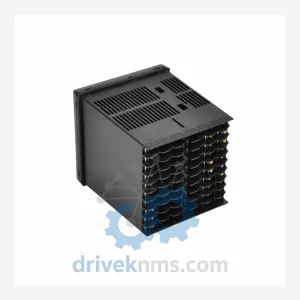
Yokogawa UT350 UT350-01 is listed for Servo Drives RFQ review. Confirm quantity, condition and destination before quotation.
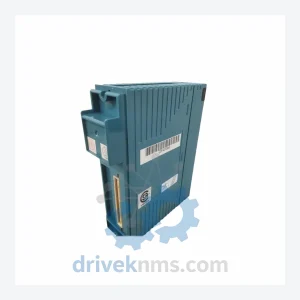
Yokogawa NFDR541-P00 S2 is listed for Servo Drives RFQ review. Confirm quantity, condition and destination before quotation.