A turbine or generator can lose stable response even when the control cabinet still looks alive. With a Woodward EG3P actuator-controller path, the important question is whether the spare restores the governor signal chain, actuator command, speed feedback, power, calibration, and test evidence that maintenance will need before a restart.
DriveKNMS readers often support older turbine, compressor, and generator control systems where one controller or signal-chain item can decide whether the unit can return to service. The spare decision should connect the module to actuator behavior, not stop at a product-family name.
Record The Governor Response Path
Capture controller model, installed governor role, power input, actuator wiring, speed pickup or related sensor chain, terminal blocks, calibration records, trip or permissive signals, fault history, and the unit consequence of poor response.
The live Woodward 5501-429 EG3P actuator-controller reference is a product match for a governor-control RFQ. Compare wiring, power, calibration, connector scope, and installed control role before approval.
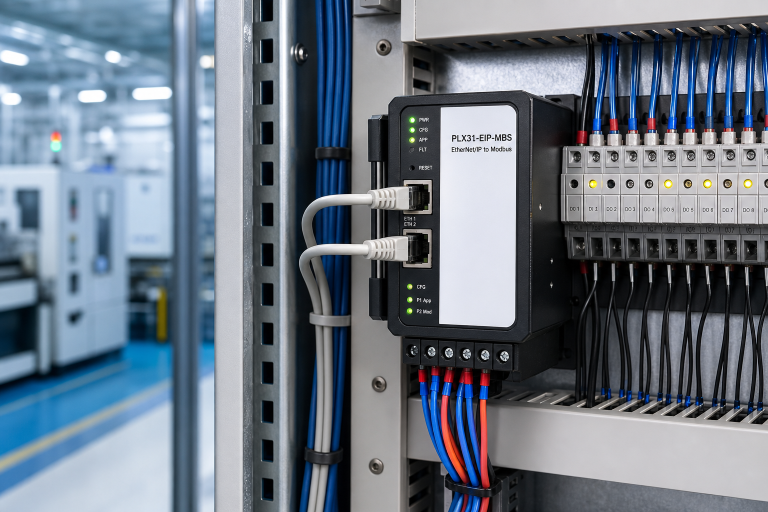
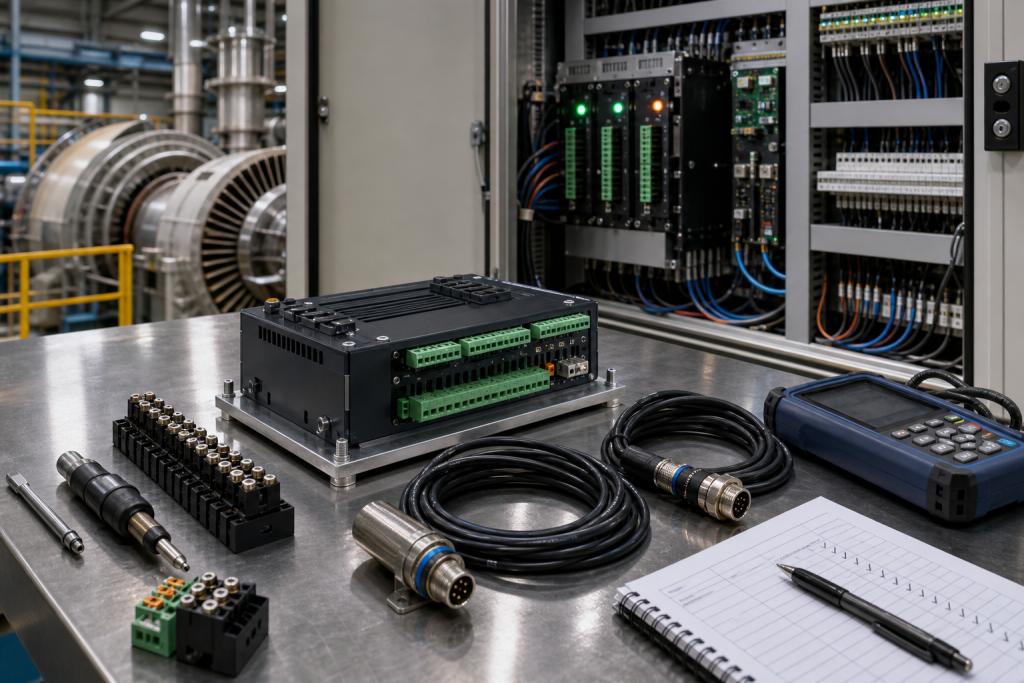
Photograph the controller label, terminals, actuator cables, speed-signal wiring, governor cabinet, diagnostic indicators, calibration tool, and the turbine or generator tag before removal.
The Sensor Chain Shapes The Controller Decision
A controller can be correct while the speed pickup, cable, signal conditioner, terminal, or calibration record remains wrong. Governor response is a system behavior, not a bench power-up result.
The related EPRO PR6423/010-140 CON011 sensor-chain reference shows why adjacent speed or vibration evidence should remain visible when the actuator controller is being sourced.
Ask suppliers to quote exact, tested exchange, refurbished, repaired, and substitute options separately. Calibration evidence, actual condition, connector status, warranty, and dispatch timing should be clear.
Test Response Before Declaring Recovery
After replacement, verify power, controller identity, terminal wiring, speed input, actuator output, calibration values, alarms, trip interaction, command response, and the approved staged response test.
If the unit hunts or responds slowly, review actuator mechanics, sensor signal, cable shielding, calibration, governor settings, and permissive logic before rejecting the spare.
Keep wiring photos, calibration notes, signal-chain evidence, fault records, response-test results, and final turbine-controls approval with the spare record.
Make The RFQ Governor-Ready
Send controller and cabinet labels, actuator and terminal photos, speed-signal evidence, calibration status, condition expectation, test scope, and restart deadline.
Ask whether the item has been functionally tested or only powered. For governor hardware, response evidence matters more than a clean exterior photo.
For substitutes, require a controls review of wiring, calibration, signal chain, actuator behavior, and staged restart testing before purchasing.
The useful discipline is to keep identity, function, and approval separate. Identity says what the part is. Function says what the plant expects it to restore. Approval says who can accept the risk when one detail differs.
For older control systems, the cheapest mistake is usually made before the order: a photo is missing, a firmware note is assumed, a cable is treated as generic, or a tested exchange is compared with an untested used item. Those small gaps become expensive only when the cabinet is open.
Ask for actual-item photographs when the schedule is tight. Front labels, side labels, terminals, connectors, latch points, power markings, and accessory scope often reveal more than a polished catalog description.
The purchasing record should travel with the spare after it arrives. If the item goes into stores without the evidence that justified the purchase, the next maintenance team has to repeat the same work under worse conditions.
Do not let the word compatible replace engineering judgment. Compatible can mean electrically similar, physically similar, repairable, configurable, or only suitable after a migration review. Spell out which meaning applies.
A good spare plan also names the fallback. If the replacement fails bench checks or field acceptance, the plant should know whether it will reinstall the old item, use a repaired exchange, isolate a noncritical function, or escalate to a migration decision.
The article topic should also connect to real search intent. Maintenance engineers are usually not searching for theory; they are searching because a rack, network segment, safety channel, drive axis, or loop is already fragile. Write the RFQ around that pressure.
Condition language needs discipline. New surplus, factory sealed, refurbished, repaired exchange, tested used, and untested used items do not carry the same risk. A buyer should ask which condition is being offered before comparing lead time or price.
Accessory scope is another common trap. Terminal blocks, memory cards, SFP modules, connectors, mounting clips, cables, batteries, license media, and configuration files may be outside the base item. Name them early so the spare can be installed, not merely received.
For critical equipment, the acceptance method should be written before the purchase order is approved. A loop test, axis jog, proof test, node diagnostic check, or network failover test tells the supplier and the plant what ready actually means.
Document the unresolved points openly. If firmware is unknown, configuration is unavailable, or a substitute requires engineering review, the RFQ can still move forward, but the risk should remain visible instead of disappearing into the quote notes.
This approach does not slow procurement down; it gives procurement something precise to send. A well-documented request usually gets a more useful response because the supplier can confirm exact stock, repair path, or substitute limits without guessing.
FAQ
What must match on a Woodward EG3P actuator-controller spare?
Match controller role, power, terminals, actuator wiring, speed input, calibration, signal chain, diagnostics, and response-test method.
Can a similar actuator controller be used?
Only after wiring, calibration, signal input, governor role, actuator behavior, and turbine-controls approval are reviewed.
What should the RFQ include?
Send labels, cabinet photos, actuator and speed-signal evidence, calibration status, condition requirement, test scope, and restart deadline.
What proves governor recovery?
Correct wiring, valid speed input, expected actuator output, restored alarms, stable response, and approved staged testing.
Send DriveKNMS the Woodward controller labels, actuator and terminal photos, speed-signal evidence, calibration status, condition requirement, and restart deadline. We can help prepare a controlled EG3P spare RFQ.
© 2026 DriveKNMS. All rights reserved. Official Website: https://driveknms.com Inquiry: sale@driveknms.com | WhatsApp/Tel: +86 18359293191