
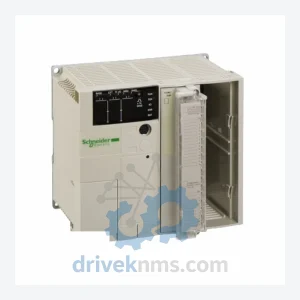
Schneider TSX3721001 Modular Base Controller – Momentum Series
Schneider TSX3721001 Modular Base Controller: Procurement Strategy & Asset Value in a Constrained Supply Chain The Schneider Electric TSX3721001 is…
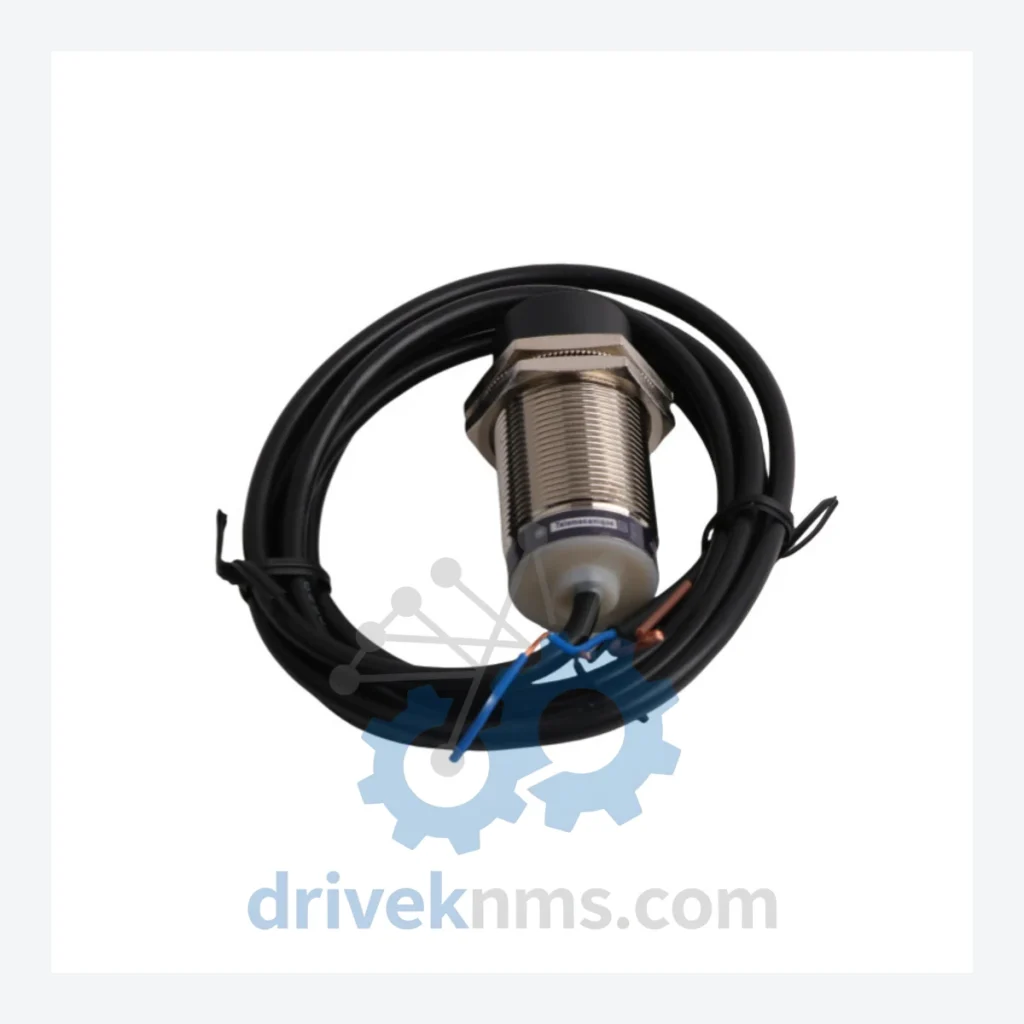
Model: XS4P30NA340
Product Overview
Commercial availability is handled through direct RFQ, model verification and export-oriented follow-up rather than public cart checkout.
Datasheet Preview
Use attached product manuals when available. If the manual is not public yet, request the full file directly through RFQ.
Commercial Path
Product pages on DRIVEKNMS are designed to verify model, brand and series first, then move the buyer into one clean quotation path.
Technical Dossier
When a single proximity sensor fails on a legacy production line, the downstream consequences are rarely limited to a component swap. For plants running Schneider Electric OsiSense XS-series sensing networks integrated into older Modicon TSX or Telemecanique PLC architectures, the XS4P30NA340 is not a commodity item — it is a load-bearing element of a control topology that was engineered, validated, and certified as a complete system. Replacing it with a non-equivalent substitute triggers re-validation cycles, potential safety re-certification, and in regulated industries, production holds that can run into six figures per day. A full line upgrade to accommodate a modern sensor family carries capital costs that routinely exceed seven figures when engineering, downtime, retraining, and recommissioning are accounted for. DriveKNMS holds verified stock of the XS4P30NA340. Securing a spare now is not a procurement exercise — it is asset protection.
| Parameter | Value |
|---|---|
| Part Number | XS4P30NA340 |
| Brand | Schneider Electric |
| Series | OsiSense XS |
| Type | Inductive Proximity Sensor |
| Housing Diameter | 30 mm cylindrical |
| Output Type | NPN, Normally Open (NO) |
| Supply Voltage | 24–240 V AC/DC |
| Connection | Cable, 2 m |
| Country of Origin | France |
| Discontinuation Status | Obsolete – No longer in production. Replacement sourcing required from authorized surplus distributors. |
| Compatible Legacy Systems | Modicon TSX series PLCs, Telemecanique automation platforms, Schneider Premium/Quantum PLC I/O modules |
The XS4P30NA340 was designed for deterministic, high-cycle sensing in industrial environments where sensor response time and output signal integrity are critical to PLC scan-cycle accuracy. In legacy Modicon TSX and Telemecanique control architectures, the sensing network was engineered as a matched system: cable lengths, signal thresholds, and I/O card input impedances were specified together. Substituting a modern sensor with different output characteristics — even within the same form factor — introduces signal timing deviations that can cause intermittent faults, nuisance trips, or, in worst cases, undetected position errors.
For plant managers facing pressure to retire aging control systems, the financial calculus is straightforward. A verified OEM-equivalent spare at current surplus pricing represents a fraction of one hour of unplanned downtime. Extending the operational life of a validated control system by five to ten years through disciplined spare parts management is not a workaround — it is a recognized asset lifecycle strategy used by maintenance engineering teams across process, automotive, and food manufacturing sectors.
The XS4P30NA340 is no longer manufactured. Each unit that leaves the market permanently reduces the available pool. Facilities that have not established a minimum buffer stock are operating with a single point of failure in their sensing layer.
Every XS4P30NA340 unit processed by DriveKNMS passes a structured five-stage inspection protocol before it is offered for sale:
Units are offered as New Old Stock (NOS) or Tested Serviceable Used (TSU), clearly identified at point of sale. No unit is described as new unless it is factory-sealed and uninstalled.
Industrial automation assets — PLC cabinets, servo drives, sensing networks — are routinely depreciated over 10 to 15 years on capital expenditure schedules. In practice, well-maintained systems frequently operate productively for 20 to 25 years. The gap between the depreciation schedule and the actual useful life represents recoverable value, but only if critical spare parts remain available.
The following approach has been used by maintenance engineering teams to extend legacy system life by five to ten years without capital reinvestment:
The cost of this strategy — spare parts procurement, storage, and documentation — is measurable and bounded. The cost of an unplanned line stoppage caused by an unavailable obsolete component is neither.
What warranty applies to obsolete parts?
DriveKNMS provides a 90-day functional warranty on all tested units. New Old Stock units carry a 180-day warranty. Warranty covers verified functional failure under normal operating conditions and does not cover damage from incorrect installation or out-of-specification supply voltage.
How do I confirm the unit is genuine and not counterfeit?
All units are sourced from documented industrial decommissioning projects or authorized surplus channels. Inspection records, including batch number and test date, are provided with each shipment. Physical markings, housing construction, and switching characteristics are verified against original Schneider Electric product documentation.
Should I purchase more than one unit?
For any production line where the XS4P30NA340 is a single point of failure, holding at least one verified spare on-site is the minimum prudent position. For high-cycle applications or multi-line facilities, a buffer of two to four units is advisable. Once current surplus stock is exhausted, no further production will occur. Availability will only decrease over time.
Can you source additional quantity if I need more than you have listed?
Contact us directly. DriveKNMS maintains active sourcing relationships across global surplus markets. For volume requirements, we can provide a sourcing timeline and firm quotation.
Related Paths
Schneider TSX3721001 Modular Base Controller: Procurement Strategy & Asset Value in a Constrained Supply Chain The Schneider Electric TSX3721001 is…
Schneider Electric VW3A Series: Comprehensive Module Range and Technical Overview The Schneider Electric (Telemecanique) VW3A series represents the definitive accessory…
Schneider Electric TSX DSY Series: Comprehensive Module Range and Technical Overview The Schneider Electric TSX DSY series represents the discrete…