
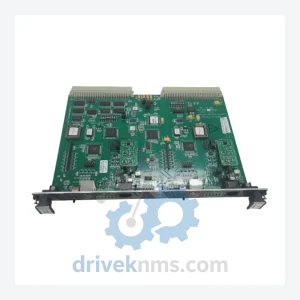
LAM VME LTNI-S5 Power Supply Module – Obsolete VME Series Spare Part
LAM VME LTNI-S5 Power Supply Module – Obsolete VME Series Spare Part When a VME-bus power supply module fails on…
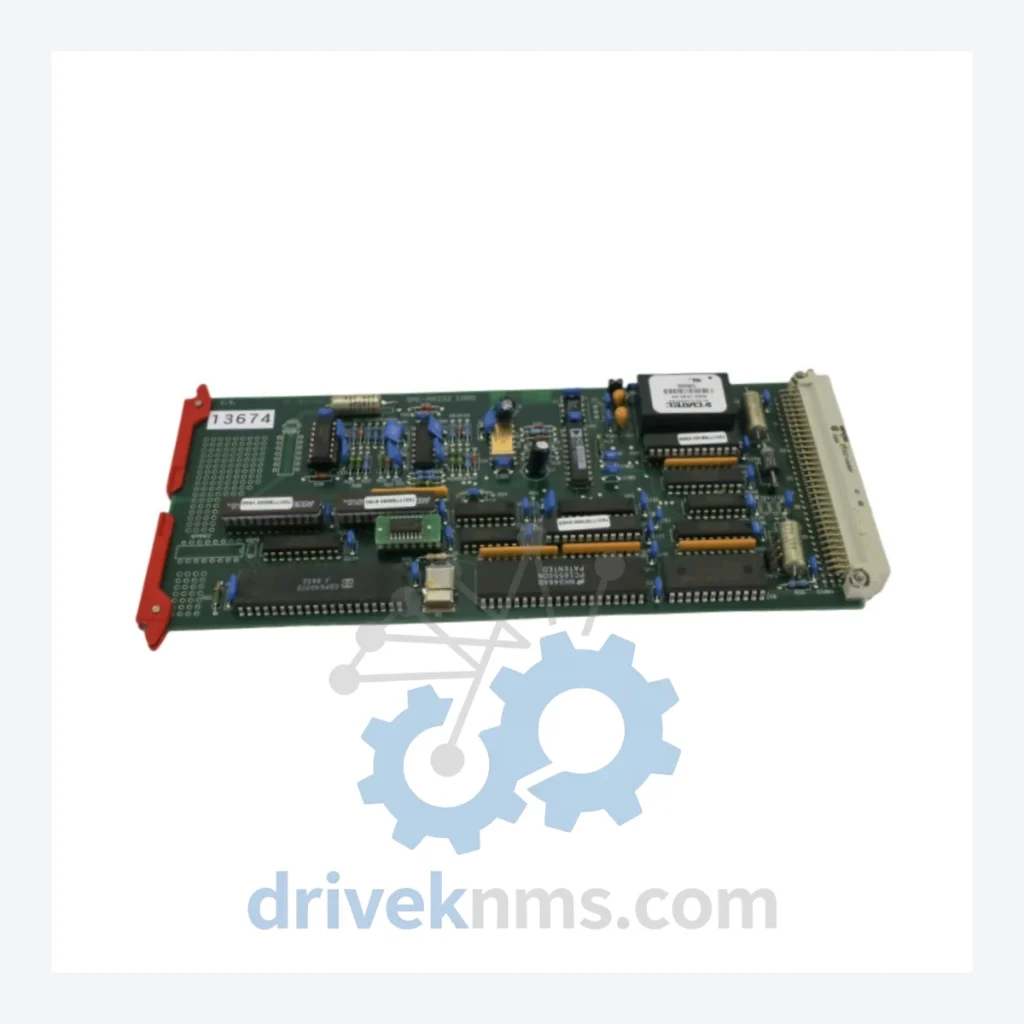
Model: 810-072687-523 2002-0096-001 73-580-5001 MP8-2U-1L-1L-1W-1W-0M NODE1
Product Overview
Commercial availability is handled through direct RFQ, model verification and export-oriented follow-up rather than public cart checkout.
Datasheet Preview
Use attached product manuals when available. If the manual is not public yet, request the full file directly through RFQ.
Commercial Path
Product pages on DRIVEKNMS are designed to verify model, brand and series first, then move the buyer into one clean quotation path.
Technical Dossier
The Lam Research MP8 series represents a critical subsystem architecture deployed across high-throughput semiconductor etch and deposition platforms. MP8 node control and interlock modules are installed in chemical vapor deposition (CVD), plasma etch, and atomic layer deposition (ALD) chambers used in 200mm and 300mm wafer fabs globally. These modules are found in facilities operated by leading IDMs and foundries across the United States, Japan, South Korea, Taiwan, and Europe. The MP8 interlock control architecture manages chamber safety interlocks, gas flow permissives, RF power enable signals, and process abort logic — functions that are non-negotiable in environments where a single uncontrolled process event can result in wafer loss, equipment damage, or personnel hazard. The MP8-2U-1L-1L-1W-1W-0M NODE1 configuration specifically addresses node-level interlock aggregation, collecting discrete safety signals from multiple subsystems and enforcing system-wide permissive logic before process initiation.
The MP8 platform was introduced as part of Lam Research's modular process control strategy, designed to replace monolithic controller boards with a distributed node architecture. Early MP8 implementations used parallel discrete wiring for interlock chains; subsequent revisions introduced serial backplane communication to reduce wiring complexity and improve fault diagnostics. The NODE1 designation identifies the primary interlock aggregation node in a multi-node topology — systems with higher chamber counts may deploy NODE2 or NODE3 variants to extend interlock capacity. Compatibility between MP8 node generations is constrained by backplane revision and firmware version; cross-generation substitution requires validation against the chamber's interlock map. As Lam Research has transitioned newer platforms to the Kiyo, Flex, and Syndion product lines, the MP8 series has entered a mature/end-of-life phase. Replacement parts are no longer manufactured in volume, making aftermarket sourcing and refurbishment the primary supply channel for fabs maintaining legacy MP8-equipped chambers.
The following SKUs represent verified components within the Lam Research MP8 and associated node control ecosystem. Each entry reflects a discrete functional role within the chamber control architecture.
810-072687-523: MP8 NODE1 interlock control PCB assembly, primary interlock aggregation
2002-0096-001: Interlock control module sub-assembly, NODE1 configuration
73-580-5001: MP8 node interface board, backplane signal routing
810-072687-001: MP8 NODE1 base interlock board, early revision
810-072687-100: MP8 NODE1 interlock PCB, revision B, updated permissive logic
810-072687-200: MP8 NODE1 interlock PCB, revision C, serial diagnostics added
810-072687-300: MP8 NODE1 interlock PCB, revision D, EMI hardened
2002-0096-000: Interlock sub-assembly, NODE1, base revision
2002-0097-001: NODE2 interlock control sub-assembly, extended I/O
73-580-5000: MP8 node interface board, base revision
73-580-5002: MP8 node interface board, revision B, enhanced signal isolation
810-049321-001: MP8 power distribution board, NODE1 rack
810-049321-002: MP8 power distribution board, NODE2 rack
810-061234-001: MP8 backplane communication board, primary bus
810-061234-002: MP8 backplane communication board, secondary/redundant bus
810-083456-001: MP8 RF interlock interface board, plasma enable permissive
810-083456-002: MP8 RF interlock interface board, dual-channel revision
2002-0110-001: MP8 gas flow interlock sub-assembly, MFC permissive control
73-590-1001: MP8 chassis I/O termination board, discrete signal interface
The MP8 series has reached end-of-active-production status. Lam Research no longer offers new-build MP8 node control assemblies through standard OEM channels. DriveKNMS maintains a dedicated inventory of MP8 interlock control modules, node interface boards, and associated sub-assemblies sourced from decommissioned equipment, controlled factory surplus, and verified refurbishment programs. For fabs operating under long-term maintenance agreements on MP8-equipped chambers, DriveKNMS provides lifecycle extension support including: pull-and-replace spare provisioning, board-level repair with functional verification, and cross-reference mapping to identify compatible substitute assemblies where direct replacements are unavailable. All obsolete MP8 inventory is catalogued by part number, revision level, and functional test status prior to dispatch.
MP8 interlock control modules undergo a structured functional verification protocol prior to shipment. Each board is inspected for physical integrity of the backplane connector, relay contact condition, and discrete I/O terminal integrity. Functional testing replicates the NODE1 interlock chain: all input permissive signals are exercised in sequence, and the output enable logic is verified against the documented interlock map for the target chamber configuration. Serial communication integrity is validated at the backplane interface using protocol-level loopback testing. Boards exhibiting marginal relay contact resistance, degraded optocoupler response, or non-conforming bus timing are rejected and flagged for component-level repair before re-test. Test records are retained per unit and available upon request.
Related Paths
LAM VME LTNI-S5 Power Supply Module – Obsolete VME Series Spare Part When a VME-bus power supply module fails on…
LAM Research X10-14210100 Power Supply Module – Obsolete X10 Series Spare Part When a power supply module fails inside a…
Lam Research VME-7671 Series: Comprehensive Module Range and Technical Overview The Lam Research VME-7671 series represents a core compute and…