
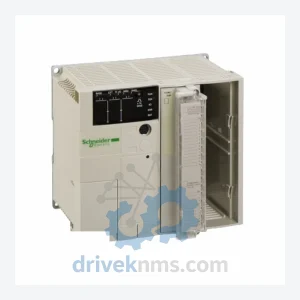
Schneider TSX3721001 Modular Base Controller – Momentum Series
Schneider TSX3721001 Modular Base Controller: Procurement Strategy & Asset Value in a Constrained Supply Chain The Schneider Electric TSX3721001 is…
Model: TM241CE40R
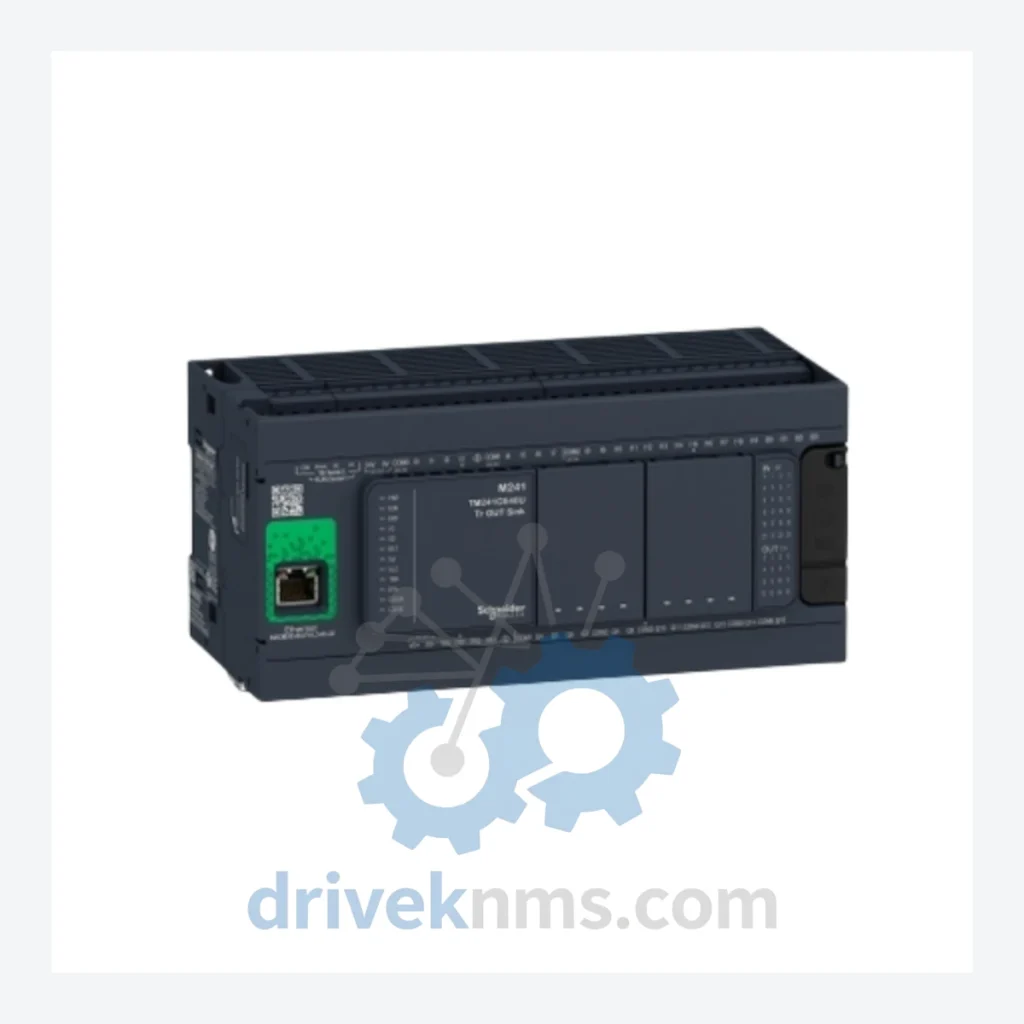
Product Overview
Commercial availability is handled through direct RFQ, model verification and export-oriented follow-up rather than public cart checkout.
Datasheet Preview
Use attached product manuals when available. If the manual is not public yet, request the full file directly through RFQ.
Commercial Path
Product pages on DRIVEKNMS are designed to verify model, brand and series first, then move the buyer into one clean quotation path.
Technical Dossier
When a TM241CE40R fails on the production floor, the clock starts immediately. This compact PLC is the control core of thousands of legacy Modicon M241-based automation lines still running in food & beverage, packaging, water treatment, and discrete manufacturing facilities worldwide. Schneider Electric has discontinued this model, and sourcing a verified replacement through standard distribution channels is no longer possible.
The cost of a full control system migration — new PLC platform, I/O modules, HMI reconfiguration, software re-engineering, and production downtime — routinely exceeds USD $500,000 for a mid-scale line. Against that figure, securing a verified spare TM241CE40R is not a procurement decision; it is an asset protection decision. DriveKNMS maintains limited physical stock of this unit, sourced through controlled industrial channels and subject to our multi-stage inspection protocol before shipment.
| Parameter | Value |
|---|---|
| Part Number | TM241CE40R |
| Brand | Schneider Electric |
| Series | Modicon M241 |
| Product Type | Compact Programmable Logic Controller (PLC) |
| Digital Inputs | 24 |
| Digital Outputs | 16 (Relay) |
| Supply Voltage | 24 VDC |
| Communication Ports | Ethernet (RJ45), USB Mini-B, Serial (RS-232/RS-485) |
| Programming Software | EcoStruxure Machine Expert (formerly SoMachine) |
| Country of Origin | France |
| Lifecycle Status | Discontinued / Obsolete |
| Replacement Recommendation | No direct drop-in successor from OEM; field replacement required |
The Modicon M241 series was widely deployed between 2012 and 2020 as a cost-effective, high-performance controller for standalone machines and small-to-medium automation cells. Its native EtherNet/IP and Modbus TCP support made it a default choice for integrators building lines that needed to communicate with SCADA systems, drives, and HMI panels without complex gateway hardware.
With the TM241CE40R now discontinued, plant engineers face a structural problem: the surrounding infrastructure — field wiring, I/O marshalling, operator panels, and the application program itself — was engineered around this specific hardware. Migrating to a current-generation controller is not a swap; it is a re-engineering project. Typical scope includes hardware redesign, software porting from SoMachine to a newer IDE, I/O remapping, and a full Factory Acceptance Test cycle. For a production line running three shifts, the engineering cost alone can reach six figures before a single hour of downtime is counted.
Maintaining a verified spare TM241CE40R on the shelf eliminates that risk entirely. A failed unit is replaced in hours, not months. The application program, already validated and running, transfers directly. No requalification. No regulatory re-approval. No production gap.
For facilities managing multiple M241-based machines, a structured spare parts strategy — holding one unit per three to five machines — provides statistically adequate coverage against random failure while keeping capital tied up in inventory at a fraction of the cost of a single unplanned outage.
Factory management teams facing pressure to retire legacy control systems often underestimate the true cost of early replacement versus the cost of disciplined maintenance. The following framework applies directly to Modicon M241 installations:
1. Failure Mode Mapping. The TM241CE40R's most common failure modes in aged installations are power supply degradation, relay output contact wear (particularly on high-cycle outputs), and communication port damage from ESD events. Identifying which outputs carry the highest cycle loads allows maintenance teams to prioritize monitoring and pre-emptive replacement before failure occurs.
2. Spare Parts Tiering. Not every component requires the same stocking depth. The controller itself is the highest-criticality item — one failure stops the line. Relay output modules and power supplies are secondary. A tiered stocking plan allocates budget proportionally to failure probability and lead time.
3. Firmware Version Control. Before storing a spare TM241CE40R, verify that its firmware version matches the installed base. EcoStruxure Machine Expert application files compiled against a specific firmware version may exhibit unexpected behavior on a unit running a different firmware revision. Document the installed firmware version for every controller on site.
4. Environmental Storage. Obsolete parts stored improperly degrade faster than installed units. Electrolytic capacitors lose capacitance in high-temperature storage. Relay contacts oxidize in humid environments. Store spare controllers in sealed anti-static bags, in a climate-controlled environment, at temperatures between 15°C and 25°C.
5. Lifecycle Horizon Planning. A single verified spare, properly stored, extends the operational horizon of an M241-based line by five to ten years with high confidence. Two spares extend it further. The capital cost of two TM241CE40R units is a fraction of the cost of one unplanned production stoppage at a facility running continuous operations.
Every TM241CE40R unit shipped by DriveKNMS passes a five-stage inspection process before it leaves our facility. This protocol was developed specifically for discontinued industrial hardware, where the risks of latent defects are higher than for current-production parts.
Stage 1 – Visual and Physical Inspection. Full external examination for mechanical damage, pin corrosion, connector wear, and label integrity. Units with corroded terminal pins or damaged housing are rejected at this stage.
Stage 2 – Electrolytic Capacitor Assessment. Aged electrolytic capacitors are the leading cause of premature failure in stored industrial electronics. We inspect for visible bulging, electrolyte leakage, and, where applicable, perform capacitance measurement against manufacturer specifications.
Stage 3 – Firmware Version Verification. The firmware version is read and documented. Customers are advised of the installed version prior to shipment so they can confirm compatibility with their application.
Stage 4 – Functional Power-On Test. The unit is powered and subjected to a functional test covering digital I/O response, communication port activity, and status indicator behavior.
Stage 5 – Final Documentation. A condition report is issued with each unit, documenting inspection findings, firmware version, and test results. This report travels with the unit and supports traceability requirements for regulated industries.
The TM241CE40R is a direct hardware replacement for any installed M241 unit of the same reference. The application program developed in SoMachine or EcoStruxure Machine Expert transfers without modification. There is no requirement to remap I/O addresses, reconfigure communication parameters, or requalify the application — provided the replacement unit carries the same firmware version as the original.
This drop-in compatibility is the defining advantage of sourcing the original part number rather than attempting a cross-platform migration. Engineering hours are not consumed. Production restart follows hardware swap, not a re-commissioning project. For facilities operating under GMP, FDA 21 CFR Part 11, or similar regulatory frameworks, avoiding a change control event has direct compliance value that compounds the financial case for maintaining original hardware.
What warranty applies to a discontinued TM241CE40R?
DriveKNMS provides a 12-month warranty against defects identified through normal operation. This warranty covers hardware failure attributable to the unit itself and excludes damage from incorrect installation, overvoltage events, or environmental conditions outside the unit's rated specifications.
How do I confirm the unit is new or quality-refurbished?
Each unit is accompanied by a condition report generated during our five-stage inspection process. The report specifies whether the unit is new (unused, original packaging) or inspected-refurbished (tested, cleaned, and verified functional). We do not ship units that have not passed all five inspection stages.
Should I hold more than one spare?
For facilities with three or more TM241CE40R units in service, holding at least two spares is the standard recommendation. The probability of a second failure occurring before a replacement can be sourced from the market increases as the installed base ages and available stock globally decreases. The cost of a second spare is fixed; the cost of an unplanned outage without a spare is open-ended.
Can you source specific firmware versions?
We document the firmware version of every unit in stock. If your application requires a specific firmware version, contact us before ordering and we will confirm availability from current inventory.
What is the lead time?
In-stock units ship within 2–3 business days of order confirmation. Lead time for units sourced on request varies and will be confirmed at the time of inquiry.
Related Paths
Schneider TSX3721001 Modular Base Controller: Procurement Strategy & Asset Value in a Constrained Supply Chain The Schneider Electric TSX3721001 is…
Schneider Electric VW3A Series: Comprehensive Module Range and Technical Overview The Schneider Electric (Telemecanique) VW3A series represents the definitive accessory…
Schneider Electric TSX DSY Series: Comprehensive Module Range and Technical Overview The Schneider Electric TSX DSY series represents the discrete…