
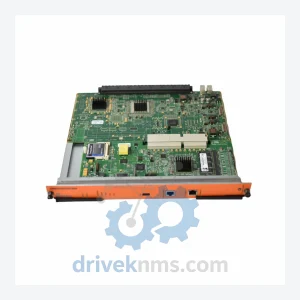
Alcatel OmniSwitch 9600/9700 Modules: OS9600/OS9700-CMM Chassis Management Module –
Alcatel OmniSwitch 9600/9700 Series: Comprehensive Module Range and Technical Overview The Alcatel-Lucent Enterprise (ALE) OmniSwitch 9600 and OmniSwitch 9700 are…
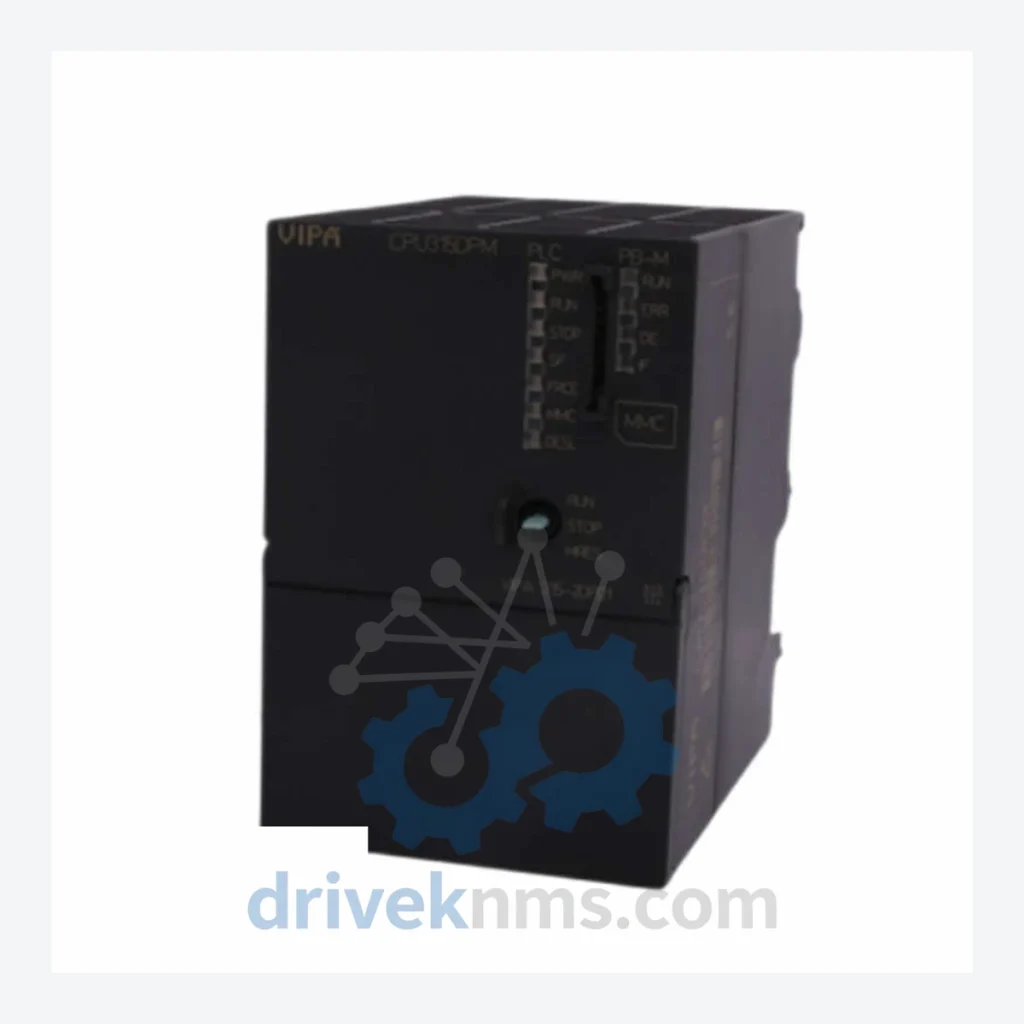
Model: VIPA315-2DP01 CPU315DPM
Product Overview
Commercial availability is handled through direct RFQ, model verification and export-oriented follow-up rather than public cart checkout.
Datasheet Preview
Use attached product manuals when available. If the manual is not public yet, request the full file directly through RFQ.
Commercial Path
Product pages on DRIVEKNMS are designed to verify model, brand and series first, then move the buyer into one clean quotation path.
Technical Dossier
The VIPA 300S series is a Siemens S7-300 compatible programmable logic controller (PLC) platform developed by VIPA GmbH (now Yaskawa Europe GmbH). It has achieved significant installed base across global heavy industry sectors including petrochemical plants, nuclear power auxiliary systems, oil refineries, and continuous process manufacturing. The series is pin-compatible and software-compatible with Siemens S7-300 hardware, enabling direct replacement in existing control cabinets without rewiring. Its SPEED7 CPU architecture delivers execution speeds up to 10× faster than equivalent Siemens CPUs, making it a preferred upgrade path for brownfield automation projects. The 300S platform supports PROFIBUS-DP, MPI, and Ethernet communication natively, and integrates with STEP 7 and TIA Portal programming environments without additional licensing.
The VIPA 300S series was introduced in the early 2000s as a cost-competitive, performance-enhanced alternative to the Siemens SIMATIC S7-300. The first-generation CPUs (e.g., 315-2AG10) used a standard S7-300 backplane and relied on MPI/PROFIBUS-DP for field communication. With the introduction of the SPEED7 core (circa 2005–2008), VIPA significantly increased instruction processing throughput while maintaining full STEP 7 compatibility.
The second-generation modules (e.g., 315-2AG12, 315-2AG13) added integrated Ethernet ports and expanded memory capacity. The 315-2DP01 (CPU315DPM) represents the mature PROFIBUS-DP master variant, widely deployed in distributed I/O architectures. As the series entered its maturity phase (post-2015), VIPA introduced the SLIO (System LIFEIO) platform as its next-generation successor, while continuing to manufacture and support 300S modules for the large installed base. The 300S series is now in a sustained-support lifecycle phase: new projects are directed to SLIO or Yaskawa's UR series, but 300S modules remain available as new-old-stock and factory-refurbished units for maintenance and replacement purposes.
Compatibility note: All 300S CPUs use the standard S7-300 backplane bus. Mixing VIPA and Siemens I/O modules on the same rack is supported. VIPA 300S CPUs require VIPA-specific system data blocks (SDBs) for SPEED7 features; standard STEP 7 programming is otherwise identical.
CPU Modules
Digital Input (DI) Modules
Digital Output (DO) Modules
Analog Input (AI) Modules
Analog Output (AO) Modules
Communication & Interface Modules
DriveKNMS maintains a dedicated inventory program for VIPA 300S modules, including models that have been discontinued by Yaskawa Europe. For facilities operating legacy 300S installations — particularly in chemical processing, power generation, and water treatment — unplanned module failures create critical downtime risk when standard distribution channels no longer stock the required part numbers.
DriveKNMS sources 300S modules through authorized surplus channels, factory-refurbished stock, and controlled decommissioning programs. Each unit is individually serialized and traceable. For CPU modules such as the 315-2DP01, DriveKNMS maintains firmware version records to ensure compatibility with the customer's existing STEP 7 project configuration. Long-term maintenance agreements (LTMAs) are available for facilities requiring guaranteed stock reservation of specific 300S SKUs over multi-year maintenance cycles.
VIPA 300S modules present specific test challenges due to their SPEED7 backplane bus architecture and integrated PROFIBUS-DP interfaces. DriveKNMS applies the following verification procedures to all 300S units prior to dispatch:
Related Paths
Alcatel OmniSwitch 9600/9700 Series: Comprehensive Module Range and Technical Overview The Alcatel-Lucent Enterprise (ALE) OmniSwitch 9600 and OmniSwitch 9700 are…
AMETEK MPC-T2010 Series: Comprehensive Module Range and Technical Overview The AMETEK MPC-T2010 series is a modular process control platform engineered…
Fisher CL6821 Series: Comprehensive Module Range and Technical Overview The Fisher CL6821 series is a family of analog input/output interface…