
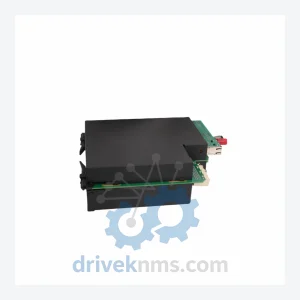
GE Multilin UR Series Modules: UR9GH UR 9GH CPU Module —
GE Multilin UR Series: Comprehensive Module Range and Technical Overview The GE Multilin Universal Relay (UR) Series represents one of…
Model: UR6UH
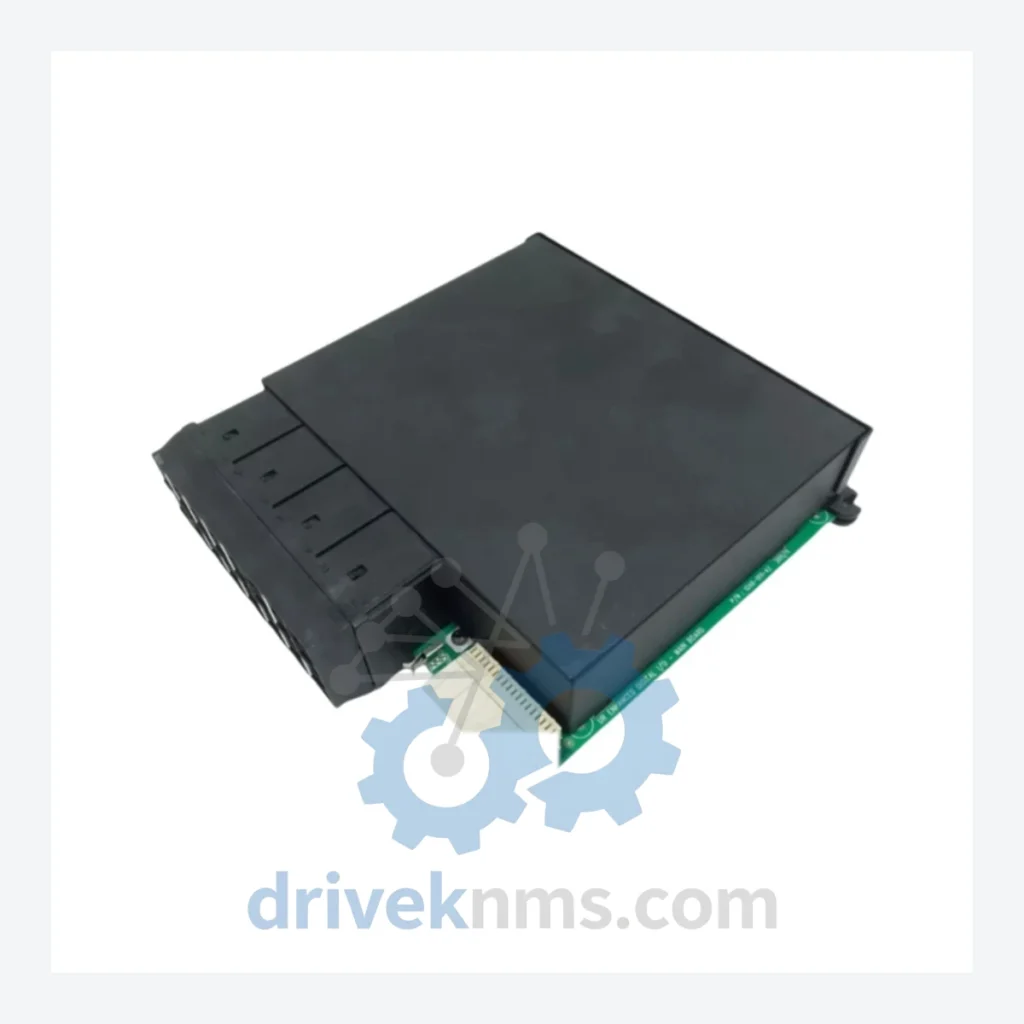
Product Overview
Commercial availability is handled through direct RFQ, model verification and export-oriented follow-up rather than public cart checkout.
Datasheet Preview
Use attached product manuals when available. If the manual is not public yet, request the full file directly through RFQ.
Commercial Path
Product pages on DRIVEKNMS are designed to verify model, brand and series first, then move the buyer into one clean quotation path.
Technical Dossier
The GE Multilin Universal Relay (UR) Series represents one of the most widely deployed protection and control platforms in global heavy industry. Installed across electrical substations, chemical processing plants, nuclear generating stations, offshore oil & gas platforms, and steel mill power distribution systems, the UR platform has accumulated a multi-decade installed base that makes it a de facto standard for critical asset protection in high-voltage environments.
The UR6UH (Horizontal Unit chassis) is a core mechanical component of this platform, providing the physical mounting and backplane infrastructure for UR Series relay cards. Its continued availability is a direct determinant of system uptime for any facility running UR-based protection schemes. As GE Multilin transitions portions of this product line toward the UR2 and newer architectures, sourcing UR6-series hardware requires a supplier with verified inventory and lifecycle management capability.
The GE Multilin UR platform was introduced in the late 1990s as a modular, IED-based (Intelligent Electronic Device) replacement for electromechanical and early solid-state relays. The architecture is built around a common chassis (horizontal or vertical form factor) into which function-specific modules — CPU, I/O, power supply, communications — are inserted via a proprietary backplane bus.
Generation 1 (UR Classic): Original UR chassis and card set, including the UR6UH horizontal unit. Characterized by RS-232/RS-485 communications, EnerVista software compatibility, and IRIG-B time synchronization. This generation remains in service at thousands of substations globally but is no longer in active production, placing it firmly in the lifecycle extension phase.
Generation 2 (UR Enhanced): Introduced fiber-optic communications ports, IEC 61850 GOOSE messaging support, and expanded I/O density. Backward-compatible with Gen 1 chassis in most configurations, though firmware versions must be matched carefully to avoid backplane communication faults.
Generation 3 / UR2 Platform: GE's current-generation architecture, featuring a redesigned backplane, enhanced cybersecurity (NERC CIP compliance), and a new form factor. Not backward-compatible with UR6-series chassis. Facilities migrating from UR6 to UR2 must plan for full chassis replacement, which significantly increases the demand for UR6 spare parts to extend the life of existing installations during phased migration programs.
The compatibility boundary between generations is a critical procurement risk. Mixing Gen 1 CPU cards with Gen 2 I/O modules on the same backplane can produce silent communication failures that are difficult to diagnose under live substation conditions. DriveKNMS maintains a compatibility matrix for UR Series cross-generation sourcing.
The following SKUs represent verified components within the GE Multilin UR platform. Each entry reflects the module's primary functional role within a UR-based protection system.
Chassis & Mechanical Units:
CPU & Processing Modules:
Analog Input (AI) Modules:
Digital Input (DI) Modules:
Digital Output (DO) / Control Modules:
Communications Modules:
Power Supply Modules:
The UR6-series chassis and associated modules entered end-of-active-production status progressively from 2015 onward. GE Multilin's official support window for repair and replacement has narrowed, creating a supply gap that directly affects utilities, EPC contractors, and industrial facilities with long-term maintenance obligations.
The practical consequence: a single failed UR6CP CPU module in a live substation can force an unplanned outage if no spare is available. Lead times from OEM channels — where stock exists at all — routinely exceed 16–26 weeks. For facilities operating under NERC CIP or IEC 62351 compliance frameworks, an unprotected feeder is not an acceptable interim state.
DriveKNMS maintains a dedicated sourcing network for UR Series legacy hardware. Our procurement process includes:
UR Series modules present specific testing challenges due to their backplane-dependent architecture. A module that passes bench-level continuity testing may still fail when inserted into a live backplane due to bus arbitration conflicts or firmware incompatibility. DriveKNMS applies a multi-stage QC protocol specifically designed for this platform:
Related Paths
GE Multilin UR Series: Comprehensive Module Range and Technical Overview The GE Multilin Universal Relay (UR) Series represents one of…
GE Multilin UR Series: Comprehensive Module Range and Technical Overview The GE Multilin Universal Relay (UR) platform is a modular,…
GE Multilin UR Series: Comprehensive Module Range and Technical Overview The GE Multilin UR (Universal Relay) platform is one of…