
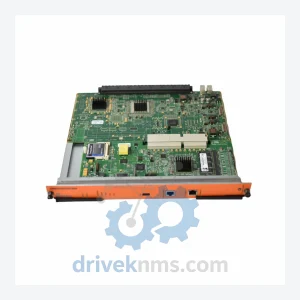
Alcatel OmniSwitch 9600/9700 Modules: OS9600/OS9700-CMM Chassis Management Module –
Alcatel OmniSwitch 9600/9700 Series: Comprehensive Module Range and Technical Overview The Alcatel-Lucent Enterprise (ALE) OmniSwitch 9600 and OmniSwitch 9700 are…
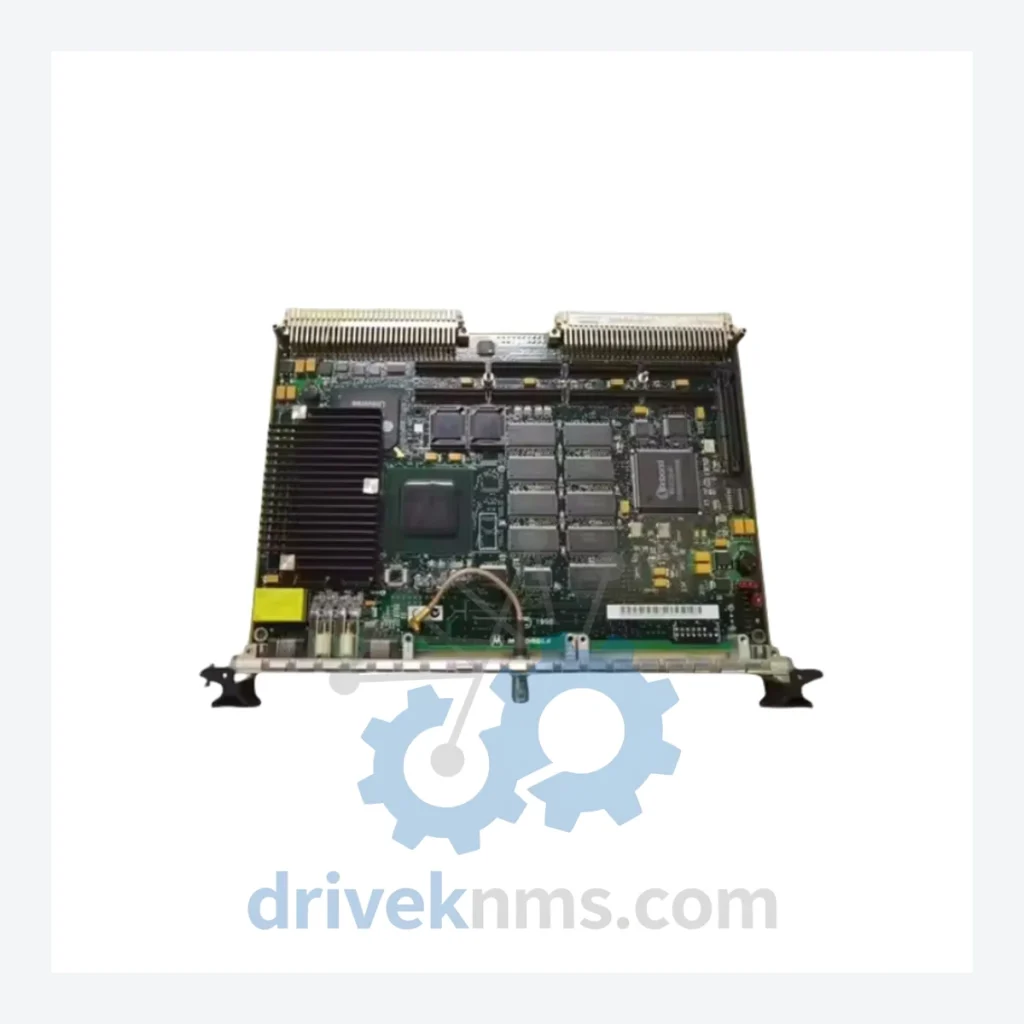
Model: PC-7/A 039-0168-00
Product Overview
Commercial availability is handled through direct RFQ, model verification and export-oriented follow-up rather than public cart checkout.
Datasheet Preview
Use attached product manuals when available. If the manual is not public yet, request the full file directly through RFQ.
Commercial Path
Product pages on DRIVEKNMS are designed to verify model, brand and series first, then move the buyer into one clean quotation path.
Technical Dossier
The Tektronix PC-7/A series represents a generation of precision control and measurement boards deployed across heavy industrial environments including petrochemical refineries, nuclear power instrumentation systems, and continuous-process chemical plants. The PC-7/A platform was engineered to deliver stable analog and digital signal conditioning within rack-mounted instrumentation enclosures, making it a long-term fixture in facilities where replacement cycles span decades rather than years. The PC-7/A 039-0168-00 control board specifically functions as a core signal-processing and control interface card within this architecture, handling regulated power distribution and logic-level control signals across the backplane bus. Its installed base in legacy DCS and SCADA-adjacent instrumentation systems means demand for this part persists well beyond its original production window.
The PC-7/A architecture traces its lineage to Tektronix's modular instrumentation philosophy of the late 1970s and 1980s, when the company standardized card-cage form factors for oscilloscope plug-ins and industrial measurement platforms. Early PC-7/A boards used through-hole component technology with discrete analog stages, making them robust but difficult to source replacement components for in the modern surface-mount era. Mid-generation revisions introduced hybrid IC packages and improved EMI shielding to meet evolving industrial noise immunity requirements. Later variants incorporated CMOS logic families replacing earlier TTL-based designs, improving power efficiency within the same mechanical envelope. Compatibility across PC-7/A sub-revisions is not universal: backplane connector pinouts and bus timing specifications vary between early (039-01xx) and later (039-02xx and 039-03xx) part number ranges. Facilities integrating mixed-revision boards must validate signal timing and voltage rail compatibility before substitution. The series has entered the mature/end-of-life phase; Tektronix no longer manufactures or provides factory repair for PC-7/A assemblies, placing the entire installed base into third-party lifecycle support dependency.
The following represents verified SKUs within the Tektronix PC-7/A and closely associated instrumentation board series. Each entry reflects a distinct functional role within the platform architecture:
039-0168-00: Core control board; signal routing and logic-level bus interface
039-0169-00: Analog input conditioning board; differential signal amplification stage
039-0170-00: Digital output driver board; relay and solid-state output interface
039-0171-00: Power regulation board; +5V / ±15V rail generation for card cage
039-0172-00: Clock and timing reference board; crystal-stabilized bus synchronization
039-0173-00: Serial communications interface board; RS-232/RS-422 protocol adapter
039-0174-00: Analog output board; 4–20 mA current loop signal generation
039-0175-00: Discrete input board; 24 VDC optoisolated digital input channels
039-0176-00: Memory expansion board; static RAM extension for control program storage
039-0177-00: Watchdog and fault detection board; system health monitoring and reset logic
039-0178-00: High-voltage isolation board; 500 V galvanic isolation for field wiring
039-0179-00: Multiplexer board; 16-channel analog signal selection and routing
039-0180-00: Backplane termination board; bus impedance matching and signal integrity
039-0181-00: Diagnostic interface board; front-panel test point and LED status array
039-0182-00: Replacement CPU sub-assembly; updated processor core for PC-7/A chassis
039-0183-00: EPROM programming board; firmware storage and field update interface
039-0184-00: Thermocouple input board; cold-junction compensated temperature measurement
DriveKNMS maintains a dedicated inventory program for end-of-life Tektronix instrumentation boards including the full PC-7/A range. Because Tektronix has formally discontinued factory support for this series, procurement through standard distribution channels is no longer viable. DriveKNMS sources PC-7/A assemblies through decommissioned plant equipment, controlled surplus channels, and direct acquisition from facilities undergoing DCS migration. All units are catalogued by part number suffix and revision level to ensure correct substitution. For facilities operating under extended maintenance contracts or regulatory hold requirements — common in nuclear and petrochemical environments — DriveKNMS provides documented traceability records and condition reports upon request. Long-term consignment agreements are available for operators who require guaranteed access to specific PC-7/A board variants over multi-year maintenance windows.
PC-7/A boards present specific test challenges due to their mixed analog-digital architecture and backplane-dependent signal paths. DriveKNMS applies a structured validation protocol to each unit prior to shipment. Boards are first subjected to visual inspection under magnification for solder joint integrity, capacitor condition, and connector pin alignment. Functional testing is performed using a dedicated PC-7/A card-cage test fixture that replicates the original backplane bus environment, allowing active verification of all I/O channels under load conditions. Analog boards (039-0169-00, 039-0174-00, 039-0179-00) are tested against original Tektronix accuracy specifications using calibrated signal sources. Power regulation boards are load-tested across the full rated current range with ripple and regulation measurements recorded. Communications interface boards are validated using protocol analyzers for correct framing and timing. Each board ships with a test record documenting pass/fail results by function block.
Related Paths
Alcatel OmniSwitch 9600/9700 Series: Comprehensive Module Range and Technical Overview The Alcatel-Lucent Enterprise (ALE) OmniSwitch 9600 and OmniSwitch 9700 are…
AMETEK MPC-T2010 Series: Comprehensive Module Range and Technical Overview The AMETEK MPC-T2010 series is a modular process control platform engineered…
Fisher CL6821 Series: Comprehensive Module Range and Technical Overview The Fisher CL6821 series is a family of analog input/output interface…